2026 American Soundtrack: Top 3 Genres Dominating Culture
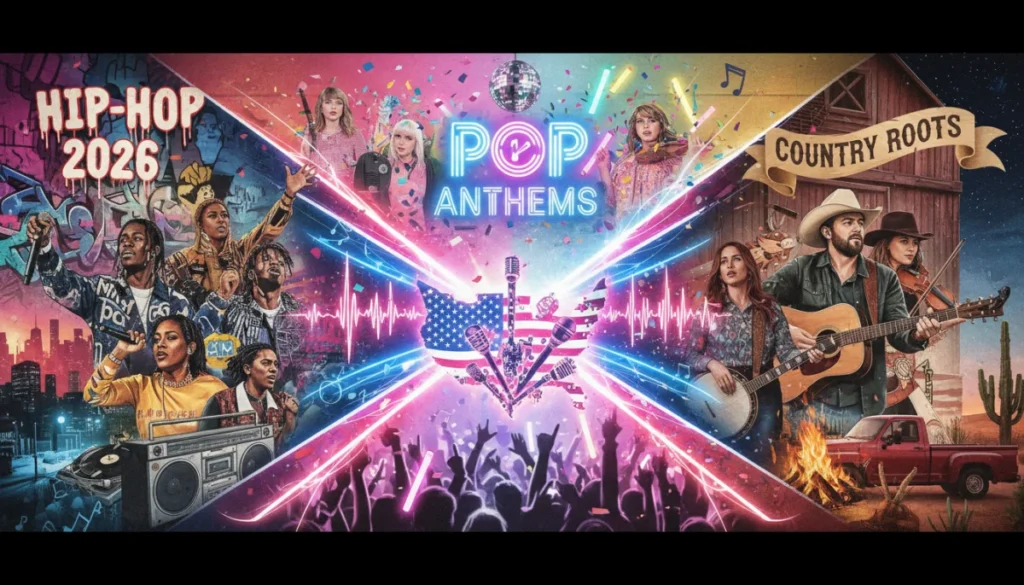
The 2026 American soundtrack is profoundly shaped by three dominant genres: hip-hop, pop, and a resurgent country, each exerting significant cultural influence across diverse demographics.
Ever wondered what defines America’s sound in the mid-2020s? The 2026 American Soundtrack: 3 Genres Dominating Cultural Influence (COMPARISON/ANALYSIS) reveals a vibrant, evolving landscape where hip-hop, pop, and country music stand as titans, each reflecting unique facets of the nation’s identity.
The Enduring Reign of Hip-Hop: Beyond the Beats
Hip-hop has transcended its origins to become a global phenomenon, and in 2026, its cultural grip in America remains as strong as ever. It’s more than just music; it’s a lifestyle, a narrative, and a powerful voice for social commentary. From fashion to vernacular, hip-hop continues to dictate trends and spark conversations across generations.
The genre’s evolution has seen it seamlessly integrate with other forms, blurring lines and creating innovative sub-genres that appeal to an even broader audience. Its adaptability is key to its sustained dominance, allowing it to remain fresh and relevant in a rapidly changing cultural climate.
Technological Integration and Fan Engagement
In 2026, hip-hop artists are masters of digital engagement, leveraging new technologies to connect with their fan bases in unprecedented ways. This direct interaction fosters loyalty and amplifies their cultural reach.
- AI-powered music creation: Artists experiment with AI for unique soundscapes and lyrical inspiration.
- Virtual concerts and metaverses: Immersive experiences bring fans closer to their favorite artists.
- NFTs and blockchain: New revenue streams and fan ownership models redefine artist-fan relationships.
The genre’s influence extends deeply into American youth culture, shaping identities and providing anthems for a generation navigating complex social landscapes. Hip-hop’s authentic storytelling and raw emotion resonate profoundly, making it an indispensable part of the 2026 American soundtrack.
Ultimately, hip-hop’s persistent cultural dominance in 2026 isn’t just about chart-topping hits; it’s about its pervasive influence on language, fashion, and social discourse, cementing its role as a vital mirror of American society.
Pop’s Persistent Power: The Art of Reinvention
Pop music, by its very definition, is designed to be popular, and in 2026, it continues its relentless pursuit of mainstream appeal through constant reinvention. This genre is a chameleon, absorbing elements from every corner of the musical spectrum to create sounds that are both familiar and groundbreaking. Its strength lies in its ability to adapt, to reflect current moods, and to produce infectious melodies that resonate globally.
The landscape of pop in 2026 is characterized by a diverse array of artists, from established icons who have mastered the art of the comeback to new talents who leverage social media to explode onto the scene. These artists are not just singers; they are cultural architects, setting trends in fashion, dance, and digital content creation.
Global Collaboration and Diverse Influences
The 2026 pop scene is a melting pot of global collaborations, reflecting an increasingly interconnected world. Artists from different continents are joining forces, blending musical traditions and languages to create a truly universal sound.
- K-Pop and Latin fusion: Continued integration of international sounds into mainstream American pop.
- Electronic dance elements: Pop tracks frequently incorporate high-energy electronic beats for broader appeal.
- Genre-bending lyrics: Storytelling in pop often tackles complex themes, making it more relatable.
Pop’s commercial viability remains unparalleled, with its songs frequently featured in advertisements, films, and television shows. This pervasive presence ensures its continued cultural saturation, making it a constant backdrop to American life. The genre’s ability to create massive, unifying cultural moments, from Super Bowl halftime shows to viral dance challenges, solidifies its position.
In conclusion, pop music’s enduring power in 2026 is a testament to its unparalleled adaptability and its commitment to capturing the zeitgeist. It remains the soundtrack to collective experiences, constantly evolving to stay at the forefront of cultural consciousness.
Country’s Resurgent Roots: A New Era of Storytelling
Country music in 2026 is experiencing a profound resurgence, shedding old stereotypes and embracing a more inclusive, diverse sound. This isn’t your grandparents’ country; it’s a genre that has broadened its lyrical themes and musical influences, attracting a younger, more varied audience while retaining its core narrative strength. The emphasis on storytelling, authenticity, and relatable experiences continues to be its bedrock, but with a modern twist.
Artists are exploring new sonic territories, blending traditional country instruments with pop production, rock sensibilities, and even hip-hop rhythms. This genre fluidity has invigorated country music, making it appealing to those who might not have considered themselves fans before. The themes still often revolve around love, loss, small-town life, and blue-collar struggles, but they are presented with fresh perspectives and contemporary relevance.
Cross-Genre Appeal and Demographic Shifts
The renewed popularity of country music is significantly driven by its successful cross-genre collaborations and a noticeable shift in its demographic appeal. It’s no longer confined to specific regions but resonates nationwide.
- Pop-country crossovers: Artists like Lil Nas X and Beyoncé have paved the way for genre fusion.
- Increased diversity in artists: More female artists and artists of color are gaining prominence, diversifying narratives.
- Rural and urban appeal: Lyrics often bridge the gap between traditional country themes and modern urban experiences.
The live music circuit for country acts is thriving, drawing massive crowds to festivals and arenas. This direct connection with fans reinforces the genre’s communal aspect, a hallmark of its appeal. Podcasts and digital platforms dedicated to country music are also flourishing, providing deeper dives into artists’ stories and the genre’s rich history.
In summary, the 2026 country music scene is a vibrant testament to its ability to evolve while staying true to its roots. Its resurgence is fueled by a blend of tradition and innovation, making it a powerful and influential force in the American cultural landscape.
The Interplay of Genres: A Blended Soundscape
The musical landscape of 2026 is rarely defined by strict genre boundaries. Instead, it’s a dynamic ecosystem where hip-hop, pop, and country constantly influence and intersect with each other. This blending creates a rich tapestry of sounds that reflects the multifaceted nature of American culture itself. Artists are increasingly comfortable experimenting, pulling elements from different traditions to craft something entirely new and captivating.
This genre fluidity is not just a creative choice; it’s a strategic move. By incorporating diverse elements, artists can reach wider audiences, breaking down the silos that once compartmentalized music listeners. A pop song might feature a country-esque narrative, while a hip-hop track could sample a classic pop melody, demonstrating the permeable nature of these dominant genres.
Collaborations and Hybrid Tracks
The most compelling evidence of this interplay lies in the frequent collaborations and the rise of truly hybrid tracks that defy easy categorization. These musical fusions are often the most commercially successful and culturally impactful.
- Unexpected duets: Pop stars collaborating with country legends, or hip-hop artists featuring pop hooks.
- Sampling culture: Hip-hop’s long tradition of sampling now extends to pop and country elements.
- Production techniques: Modern production often blurs genre lines, creating a cohesive, contemporary sound.
This cross-pollination ensures that music remains exciting and unpredictable. It challenges listeners to expand their tastes and encourages artists to push creative boundaries. The result is a richer, more diverse 2026 American soundtrack that caters to an increasingly sophisticated and open-minded audience.
Ultimately, the interplay between hip-hop, pop, and country is a defining characteristic of America’s musical identity in 2026. This blending not only enriches the music itself but also fosters a more inclusive and dynamic cultural dialogue.
Cultural Impact Beyond the Charts
The influence of hip-hop, pop, and country in 2026 extends far beyond mere record sales or streaming numbers. These genres are deeply embedded in the fabric of American culture, shaping everything from fashion and language to social discourse and political movements. They provide soundtracks to our lives, articulate our collective anxieties and aspirations, and offer a platform for diverse voices to be heard.
Hip-hop, with its roots in urban narratives, continues to be a powerful vehicle for social justice and authentic storytelling, influencing political conversations and youth movements. Pop music, with its broad appeal, often acts as a unifying force, creating shared cultural experiences through its anthems and viral moments. Country music, in its revitalized form, connects with themes of community, heritage, and resilience, resonating with a wide cross-section of American identity.
Influence on Media and Lifestyle
These dominant genres are not just consumed; they are integrated into various aspects of daily life, influencing media, fashion, and even culinary trends. Their presence is pervasive and undeniable.
- Fashion trends: Hip-hop and pop heavily influence clothing lines and streetwear.
- Television and film scores: Genres dictate mood and authenticity in visual media.
- Social media challenges: Viral trends often originate from songs within these genres.
The narratives within these genres often reflect and amplify societal changes, making them crucial barometers of the American zeitgeist. They provide a lens through which to understand evolving values, generational shifts, and the ongoing cultural dialogue within the nation. From regional dialects influenced by rap lyrics to global fashion trends sparked by pop stars, their reach is immense.
In essence, the cultural impact of hip-hop, pop, and country in 2026 is a testament to their ability to not only entertain but also to shape and reflect the diverse tapestry of American life, making them indispensable cultural forces.
The Future Sound: Predictions and Emerging Trends
Looking ahead, the trajectory of the 2026 American soundtrack suggests continued evolution and further blurring of genre lines. While hip-hop, pop, and country currently dominate, their future influence will likely be characterized by even greater hybridization and a responsiveness to global sounds. The digital age has democratized music creation and distribution, meaning new sub-genres and independent artists can emerge rapidly, challenging the established order.
Expect to see more artists who defy single-genre classification, creating music that is inherently eclectic. The influence of artificial intelligence in music production will also grow, leading to innovative soundscapes and personalized listening experiences. Sustainability and social consciousness will likely become more prominent themes in lyrical content, reflecting broader societal concerns.
Technological Advancements and Listener Habits
Technological innovations will continue to shape how music is created, consumed, and experienced, directly impacting the influence of these dominant genres and the emergence of new ones.
- Personalized AI playlists: Algorithms will offer increasingly tailored musical journeys.
- Immersive audio formats: Spatial audio and virtual reality concerts will enhance listening.
- Direct-to-fan monetization: Artists will find new ways to connect and profit directly from their audience.
The role of independent artists and niche communities will also expand, fostered by online platforms that allow for direct engagement and discovery. While the major genres will continue to hold significant sway, the periphery will become increasingly vibrant and influential, constantly feeding new ideas and sounds into the mainstream.
In conclusion, the future sound of America in 2026 is poised for exciting developments, with hip-hop, pop, and country leading the charge through innovation, collaboration, and a keen awareness of cultural shifts, promising an even richer musical experience.
| Key Genre | Cultural Influence in 2026 |
|---|---|
| Hip-Hop | Dominates youth culture, fashion, and social commentary; strong digital presence. |
| Pop | Masters reinvention, global collaborations, and mainstream appeal; pervasive in media. |
| Country | Experiencing resurgence with diverse sound and cross-genre appeal; strong storytelling. |
| Genre Interplay | Increasing hybridization and collaborations create a richer, blended soundscape. |
Frequently Asked Questions About 2026 Music Trends
In 2026, the three dominant music genres profoundly influencing American culture are hip-hop, pop, and country music. Each genre showcases unique characteristics and adaptability, reflecting diverse aspects of the nation’s identity and musical tastes. They continuously evolve and often intersect, creating a dynamic and rich soundscape.
Hip-hop has maintained its cultural dominance in 2026 through its adaptability, seamless integration with technology, and its powerful role as a voice for social commentary. Artists leverage AI and virtual platforms for fan engagement, shaping fashion, language, and youth culture, making it an indispensable part of America’s cultural dialogue.
Pop music’s enduring appeal in the mid-2020s stems from its constant reinvention, global collaborations, and ability to absorb diverse musical influences. Its infectious melodies and commercial viability ensure its pervasive presence in media, creating unifying cultural moments through chart-topping hits and viral trends that resonate broadly.
Yes, country music is highly relevant in 2026, experiencing a significant resurgence. It has evolved by embracing a more inclusive, diverse sound, blending traditional elements with pop and rock influences. This modernization has attracted a younger, broader audience while maintaining its core strength in authentic storytelling and relatable themes.
The three genres frequently interact through collaborations and hybrid tracks, blurring traditional boundaries. Pop artists might feature country narratives, while hip-hop often samples pop or country elements. This cross-pollination enriches the musical landscape, allowing artists to reach wider audiences and fostering a more dynamic and inclusive cultural dialogue.
Conclusion
The 2026 American soundtrack is a vibrant testament to the enduring power and evolving nature of hip-hop, pop, and country music. These three genres, while distinct, continually influence and intersect, creating a rich cultural tapestry that reflects the diverse experiences and aspirations of the nation. Their dominance is not merely about musical preference but about their profound impact on American identity, shaping trends, sparking conversations, and providing the rhythm to our collective lives. As we move forward, the innovation and adaptability within these genres promise an even more dynamic and exciting future for American music.
