2026 Immigration Policy Changes: New Visa Regulations Explained
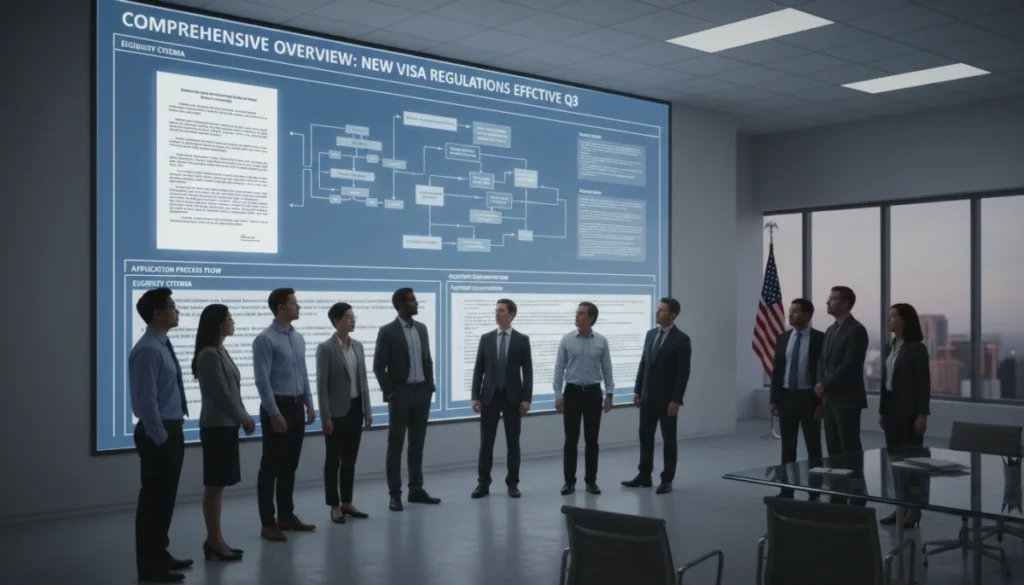
The United States is implementing significant 2026 immigration policy changes, introducing new visa regulations this quarter that will impact various immigrant and non-immigrant categories.
Understanding the upcoming 2026 immigration policy changes is crucial for anyone planning to live, work, or study in the United States. New visa regulations are set to become effective this quarter, bringing significant shifts to various immigration pathways. This comprehensive overview aims to provide clarity on these critical updates.
Understanding the Core Objectives of New Visa Regulations
The latest immigration policy adjustments for 2026 are driven by several core objectives, primarily focusing on national security, economic competitiveness, and humanitarian concerns. These regulations seek to streamline processes while addressing contemporary global challenges.
Policymakers have emphasized a dual approach: enhancing border security measures while simultaneously creating more efficient pathways for skilled workers and family reunification. This balance is critical for maintaining the integrity of the immigration system and supporting the nation’s strategic goals.
Streamlining the Application Process
One of the key aims of the new regulations is to simplify and expedite the application process for certain visa categories. This involves digitizing more forms and implementing clearer guidelines for required documentation.
- Reduced processing times for eligible applicants.
- Enhanced online portals for document submission.
- Clearer checklists for required supporting evidence.
These changes are expected to reduce bureaucratic hurdles, making the immigration journey less daunting for many applicants. The emphasis is on transparency and efficiency, allowing individuals to navigate the system with greater ease.
Ultimately, these core objectives reflect a dynamic approach to immigration, adapting to evolving national needs and global realities. The intention is to build a system that is both secure and welcoming, fostering growth and diversity.
Key Changes to Employment-Based Visas
The 2026 immigration policy changes introduce substantial modifications to employment-based visa categories, reflecting the nation’s evolving economic priorities. These adjustments aim to attract and retain highly skilled professionals in critical sectors while addressing domestic workforce needs.
New regulations will particularly impact the H-1B, L-1, and O-1 visa programs, with stricter criteria for eligibility and new requirements for employers. The goal is to prevent abuses of the system and ensure that these visas genuinely serve their intended purpose of filling specialized labor gaps.
H-1B Visa Program Updates
The H-1B visa, popular among tech companies and other industries requiring specialized skills, will see significant revisions. These include adjustments to the lottery system, increased prevailing wage requirements, and enhanced scrutiny of employer-employee relationships.
- Prioritization for advanced degree holders from U.S. institutions.
- Increased enforcement against wage discrepancies.
- New guidelines for third-party placement of H-1B workers.
These changes are designed to make the H-1B program more merit-based and less susceptible to exploitation, ensuring that foreign workers complement, rather than displace, the American workforce. Employers will need to demonstrate a more robust case for hiring foreign talent.
Beyond H-1B, other employment visas like the L-1 for intra-company transfers and the O-1 for individuals with extraordinary ability will also experience refinements, primarily focusing on clarifying eligibility criteria and strengthening oversight. The overarching theme is a move towards greater accountability and strategic alignment with national economic goals.
The modifications to employment-based visas are a direct response to ongoing debates about skilled labor shortages and the impact of immigration on the domestic job market. These policies are expected to shape the future landscape of foreign talent acquisition in the U.S.
Revisions to Family-Based Immigration Categories
Family reunification remains a cornerstone of U.S. immigration policy, but the 2026 changes introduce several revisions to family-based visa categories. These adjustments aim to address backlogs, enhance processing efficiency, and ensure the integrity of familial relationships.
While the core principles of family sponsorship remain, new emphasis is placed on verifying genuine relationships and ensuring financial self-sufficiency of sponsored individuals. These measures are intended to create a more robust and equitable system for families seeking to unite in the United States.
Financial Sponsorship Requirements
One notable change involves updated requirements for financial sponsorship. Petitioners will face stricter income thresholds and may need to provide more comprehensive documentation to demonstrate their ability to support family members.
- Higher minimum income requirements for sponsors.
- Expanded list of acceptable financial evidence.
- Increased scrutiny of co-sponsor eligibility.
These enhanced financial requirements are designed to reduce the likelihood of sponsored immigrants becoming public charges, aligning with broader policy goals of promoting self-reliance. It ensures that families have a stable foundation upon arrival.
Additionally, processing times for certain family preference categories may see adjustments, with efforts to reduce long waiting periods through technological advancements and increased staffing at processing centers. The aim is to balance thorough vetting with timely reunification.
The revisions to family-based immigration reflect a careful calibration between humanitarian values and practical considerations. The government seeks to facilitate genuine family ties while upholding economic stability and national interests.
Impact on Student and Exchange Visitor Visas (F and J Visas)
The landscape for international students and exchange visitors is also undergoing significant shifts with the 2026 immigration policy changes. These updates primarily focus on strengthening program oversight, ensuring compliance, and enhancing the security of these visa categories.
Universities and sponsoring organizations will face new reporting requirements, and students may experience revised guidelines for work authorization and program extensions. The objective is to maintain the integrity of academic and cultural exchange programs while mitigating potential risks.
Enhanced Monitoring and Reporting
New regulations will introduce more rigorous monitoring of student and exchange visitor compliance with visa terms. Educational institutions will play a larger role in reporting student activities and adherence to program rules.
- Increased frequency of SEVIS (Student and Exchange Visitor Information System) updates.
- Stricter penalties for non-compliance by institutions.
- Clearer guidelines for student transfer and program changes.
These measures aim to ensure that F and J visa holders genuinely engage in their intended academic or cultural activities, reducing instances of visa misuse. The emphasis is on accountability for both students and sponsoring entities.
The changes also touch upon post-completion Optional Practical Training (OPT) for F-1 students, with potential adjustments to eligibility and duration. These modifications are designed to align OPT more closely with U.S. workforce needs and national security interests.
The impact on F and J visas underscores a commitment to safeguarding educational and cultural exchange programs. These policies seek to balance the benefits of international engagement with robust oversight and security protocols.
New Security Protocols and Screening Measures
A significant component of the 2026 immigration policy changes involves the implementation of new security protocols and enhanced screening measures across all visa categories. These updates are a direct response to evolving global security concerns and aim to fortify national borders.
Applicants can expect more thorough background checks, expanded data collection, and potentially longer processing times for certain high-risk profiles. The focus is on a multi-layered approach to security, leveraging advanced technology and international cooperation.
Biometric Data Collection Expansion
One notable enhancement is the expansion of biometric data collection. This may include more extensive fingerprinting, facial recognition scans, and other forms of identity verification at various stages of the application process.
- Increased use of biometric data for identity verification.
- Integration of advanced data analytics for risk assessment.
- Closer collaboration with international law enforcement agencies.
These advanced screening techniques are designed to identify individuals who may pose a security risk more effectively, thereby protecting national interests. The goal is to create a more secure and resilient immigration system.
Furthermore, there will be increased scrutiny of social media presence and digital footprints as part of the background check process. Applicants should be aware that their online activities may be reviewed to assess eligibility and security risks.
The implementation of new security protocols signifies a heightened commitment to national safety. While these measures may add complexity to the application process, they are deemed essential for safeguarding the country.
Preparing for the Implementation: Tips and Resources
Navigating the upcoming 2026 immigration policy changes requires careful preparation and access to reliable information. Proactive engagement with official resources and legal counsel is essential for anyone affected by the new visa regulations.
Understanding the specific requirements for your visa category and staying informed about implementation timelines will be critical. This section provides practical tips and highlights key resources to help you prepare effectively for these significant shifts.
Consult Official Government Websites
The most accurate and up-to-date information will always be found on official government websites. Regularly check the Department of Homeland Security (DHS), U.S. Citizenship and Immigration Services (USCIS), and Department of State (DOS) portals.
- Subscribe to official email alerts for policy updates.
- Review FAQs sections for common queries.
- Download official forms and instruction guides directly.
Relying on unofficial sources can lead to misinformation and potentially jeopardize your application. Always cross-reference information with government publications to ensure accuracy and compliance.
Consider seeking advice from an experienced immigration attorney. Legal professionals can provide personalized guidance, help interpret complex regulations, and assist with preparing a robust application package tailored to the new requirements.
Staying informed and proactive will be your best strategy for successfully adapting to the 2026 immigration policy changes. Utilize all available resources to ensure a smooth and compliant application process.
| Key Policy Area | Brief Description of Change |
|---|---|
| Employment Visas (H-1B) | Stricter eligibility, increased wage requirements, lottery adjustments. |
| Family-Based Immigration | Enhanced financial sponsorship criteria, efforts to reduce backlogs. |
| Student/Exchange Visas (F/J) | Increased monitoring, new reporting for institutions, OPT adjustments. |
| Security Protocols | Expanded biometric data collection, enhanced background checks. |
Frequently Asked Questions About 2026 Immigration Changes
Many of the new visa regulations for 2026 are scheduled to take effect this quarter, with staggered implementation for specific provisions throughout the year. It is crucial to check the official USCIS and Department of State websites for precise dates relevant to your visa category.
H-1B applicants will face stricter eligibility criteria, potentially higher prevailing wage requirements, and adjustments to the lottery system. There will be an increased focus on applicants with advanced U.S. degrees and enhanced scrutiny of employer-employee relationships to prevent misuse.
Yes, family-based green card processing will see changes, primarily in financial sponsorship requirements. Petitioners may need to meet higher income thresholds and provide more extensive documentation to prove their ability to support sponsored family members. Efforts are also underway to reduce backlogs.
Applicants should anticipate expanded biometric data collection, more thorough background checks, and increased scrutiny of digital footprints, including social media. These measures are designed to enhance national security and identify potential risks more effectively across all visa types.
For the most accurate and up-to-date information, always consult official government websites such as the U.S. Citizenship and Immigration Services (USCIS), the Department of State (DOS), and the Department of Homeland Security (DHS). Subscribing to their official newsletters is also recommended.
Conclusion
The 2026 immigration policy changes represent a significant evolution in the United States’ approach to immigration, touching upon nearly every facet of the system. From employment-based visas to family reunification and student programs, the new regulations aim to create a more secure, efficient, and strategically aligned immigration framework. Staying informed through official channels and seeking expert advice will be paramount for anyone navigating these updates. These adjustments underscore a dynamic policy landscape designed to meet both national priorities and global realities.
