Navigating 2026 USA Road Trips: Essential Travel Updates
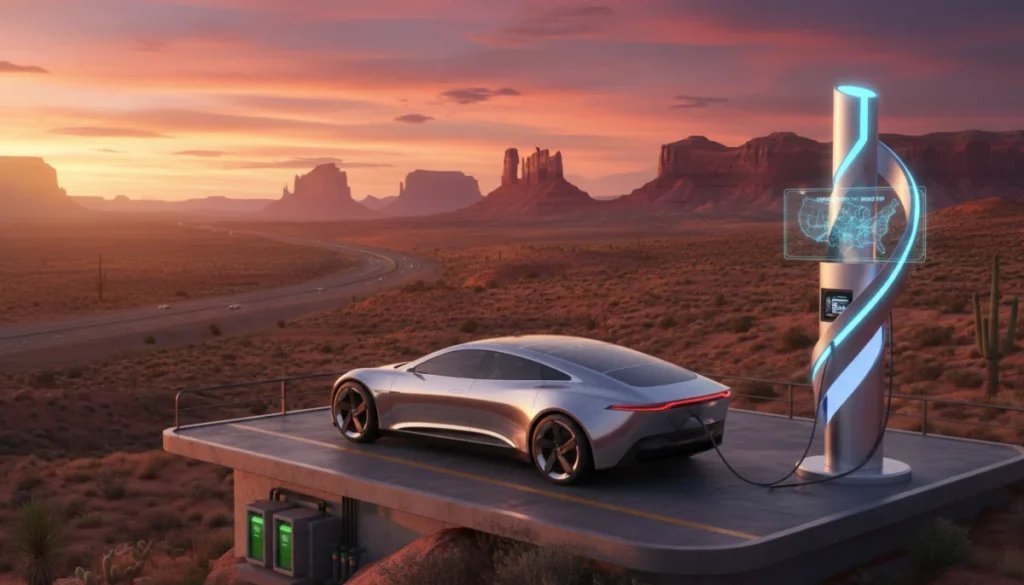
Preparing for 2026 USA road trips demands awareness of significant changes in travel infrastructure and technology, including electric vehicle networks, smart navigation, and sustainable practices for an optimized journey.
Embarking on a cross-country adventure across the United States has always been an iconic experience, a journey of discovery through diverse landscapes and vibrant cultures. However, for those planning 2026 USA road trips, the landscape of travel is evolving rapidly. What worked in previous years might not be the most efficient or enjoyable approach now. This comprehensive guide will explore seven essential updates that every road tripper needs to consider to ensure a seamless, sustainable, and unforgettable journey across America.
The Rise of Electric Vehicle Infrastructure
The transition to electric vehicles (EVs) is accelerating, fundamentally changing how travelers plan long-distance journeys. By 2026, the EV charging infrastructure across the USA is projected to be significantly more robust, yet understanding its nuances is crucial for a stress-free road trip.
While the number of charging stations is growing, their distribution and charging speeds can vary widely. Planning routes around reliable fast-charging hubs, especially in less populated areas, will be paramount. Apps and in-car navigation systems are becoming increasingly sophisticated in providing real-time availability and charger types.
Understanding Charging Networks
Several major charging networks dominate the US landscape, each with its own pricing structure and membership benefits. Familiarizing yourself with these networks before you hit the road can save time and reduce range anxiety.
- Electrify America: One of the largest open DC fast-charging networks, often found along major highways.
- EVgo: Offers a mix of fast chargers and Level 2 chargers, with various membership plans.
- ChargePoint: The world’s largest network, featuring both public and semi-public stations.
- Tesla Supercharger Network: While primarily for Tesla vehicles, an increasing number of stations are becoming accessible to other EV brands.
The integration of charging capabilities into vehicle navigation systems means that future EVs will likely offer more seamless planning. However, manual verification through dedicated apps remains a wise practice, especially when venturing off the beaten path. This proactive approach ensures you’re always aware of your next charging opportunity, preventing unexpected delays.
In essence, the future of road tripping with an EV is bright, but it demands a new level of planning. Understanding the charging ecosystem, utilizing advanced applications, and staying informed about new station developments will be key to successfully navigating the USA in 2026.
Advanced Navigation and AI Integration
Gone are the days when a simple GPS was enough. By 2026, road trip navigation will be supercharged with artificial intelligence (AI), offering unprecedented levels of personalization, real-time optimization, and predictive capabilities. These advancements promise to transform how travelers interact with their routes and discover new experiences.
AI-powered navigation systems will not only account for traffic and road closures but also predict the best times to leave, suggest optimal routes based on your driving style, and even recommend stops tailored to your interests, such as specific types of restaurants, scenic overlooks, or historical markers. This means less time spent planning and more time enjoying the journey.
Personalized Route Optimization
Future navigation apps will learn from your preferences, offering dynamic routes that go beyond just the fastest or shortest path. They could prioritize scenic drives, routes with fewer tolls, or even paths that maximize fuel efficiency for traditional gasoline vehicles or optimize charging stops for EVs.
- Real-time Traffic Prediction: More accurate than ever, predicting congestion before it happens and rerouting proactively.
- Weather Integration: Dynamic route adjustments based on severe weather forecasts along your path.
- Interest-Based Recommendations: Suggesting attractions, dining, and lodging that align with your historical preferences.
The integration of AI also means that these systems will continuously improve with each journey. They will learn from collective user data to provide more accurate and relevant information, making each subsequent road trip even more tailored to the individual traveler. This personalized approach enhances the overall travel experience, turning navigation from a functional necessity into an integral part of the adventure.
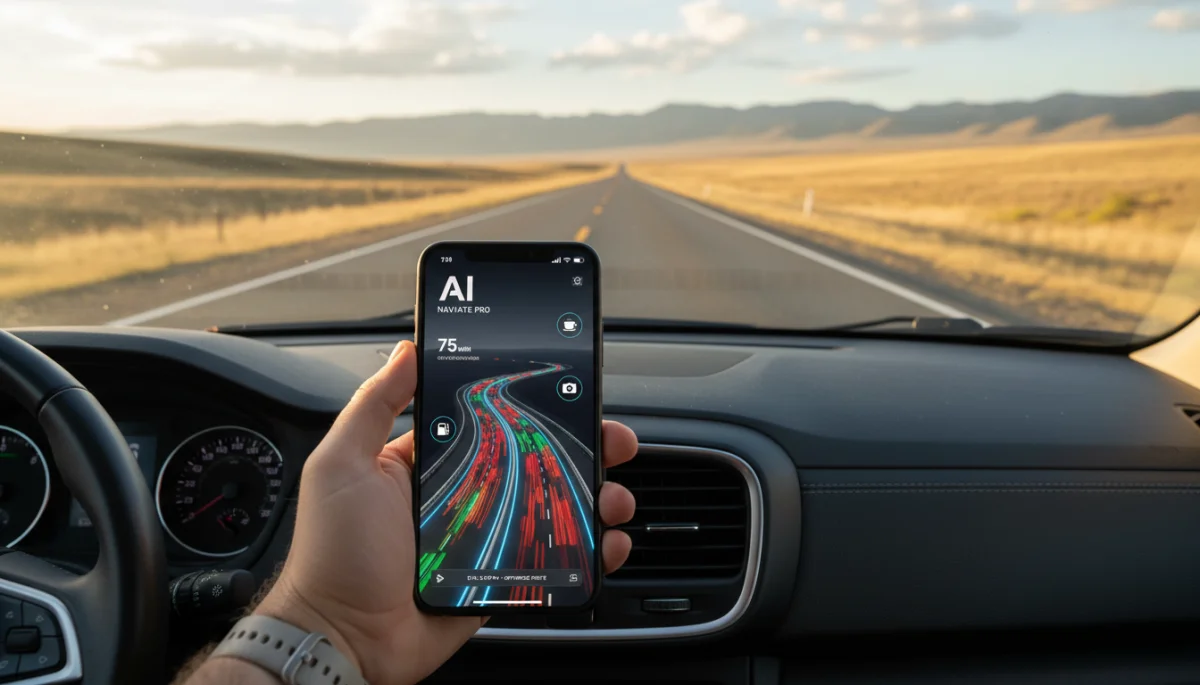
Ultimately, embracing advanced navigation and AI integration will be a game-changer for 2026 USA road trips. It empowers travelers with intelligent tools that adapt to their needs, making every mile more enjoyable and less prone to unforeseen complications.
Sustainable Travel Practices
As environmental awareness grows, sustainable travel is no longer a niche concept but a mainstream expectation for many road trippers. In 2026, travelers will increasingly seek ways to minimize their environmental footprint while exploring the USA. This involves everything from vehicle choice to accommodation and waste management.
The sustainability movement encourages travelers to make conscious choices that benefit local communities and preserve natural environments. This includes supporting eco-friendly businesses, reducing plastic waste, and respecting wildlife and natural habitats. The goal is to leave destinations better than you found them.
Eco-Conscious Choices on the Road
Making sustainable choices on a road trip can be surprisingly easy with a bit of planning. The shift towards electric or hybrid vehicles is a significant step, but there are many other ways to contribute.
- Vehicle Maintenance: Ensuring your vehicle is well-maintained improves fuel efficiency and reduces emissions.
- Waste Reduction: Carrying reusable water bottles, coffee cups, and shopping bags significantly cuts down on single-use plastics.
- Responsible Lodging: Opting for accommodations that prioritize sustainability, such as those with energy-efficient practices or local sourcing.
Beyond individual actions, there’s a growing trend of destinations and tourism operators adopting sustainable practices. Researching and choosing to support these businesses can have a broader positive impact. This collective effort towards sustainability will define a new era of responsible travel, where the joy of discovery is balanced with environmental stewardship.
Embracing sustainable travel practices for your 2026 USA road trips is not just about being eco-friendly; it’s about enriching your travel experience by connecting more deeply with the places you visit and contributing positively to their future.
Connectivity and Digital Nomadism
The world of work has changed, and with it, the possibilities for travel. Digital nomadism, once a fringe concept, is now a viable lifestyle for many, making reliable connectivity a top priority for 2026 USA road trips. The ability to work remotely from virtually anywhere means that the open road can also be your office.
The expansion of 5G networks, improved satellite internet options, and dedicated mobile hotspots are making it easier than ever to stay connected, even in more remote areas. This newfound connectivity allows road trippers to extend their journeys, blending work and leisure seamlessly.
Staying Connected on the Go
Ensuring consistent internet access across diverse terrains requires a multi-faceted approach. Relying solely on cellular data might not be sufficient in all regions.
- 5G Hotspots: Portable devices offering high-speed internet, crucial for video calls and data-intensive tasks.
- Satellite Internet: Solutions like Starlink are becoming more accessible, providing coverage in areas traditionally devoid of strong cellular signals.
- Wi-Fi Boosters: For improving signal strength when relying on public or campground Wi-Fi.
This evolving connectivity landscape opens up new opportunities for extended travel, allowing individuals and families to embark on longer road trips without sacrificing their professional commitments. The flexibility to work from scenic national parks or charming small towns adds an entirely new dimension to the road trip experience, fostering a greater sense of freedom and exploration.
For those planning 2026 USA road trips, prioritizing connectivity means more than just entertainment; it’s about unlocking the potential for longer, more flexible, and more enriching cross-country adventures.
Emerging Roadside Assistance Technologies
Breakdowns and unexpected issues are an inevitable part of any extensive road trip. However, by 2026, roadside assistance will be more advanced and integrated than ever before, leveraging technology to provide quicker, more efficient, and more proactive support. These innovations aim to minimize disruptions and enhance safety for all travelers.
The focus is shifting towards predictive maintenance and real-time diagnostics. Vehicles equipped with advanced telematics can alert drivers and assistance providers to potential problems before they escalate into major issues. This proactive approach can prevent breakdowns altogether or at least allow for timely interventions.
Smart Assistance Features
Modern vehicles and associated services are incorporating intelligent features designed to make roadside assistance more seamless and less stressful.
- Predictive Diagnostics: In-car systems that monitor vehicle health and alert you to impending issues.
- GPS-Enabled Dispatch: Faster and more accurate location sharing for quicker assistance arrival.
- Remote Troubleshooting: Some issues might even be resolved remotely through over-the-air updates or diagnostics.
Furthermore, the integration of AI into customer service platforms means that requesting assistance will become more intuitive, with chatbots and virtual assistants guiding you through the process. This streamlined communication ensures that help is dispatched efficiently, reducing wait times and providing peace of mind. The evolution of roadside assistance means that while unforeseen events can still occur, the resources to handle them are more sophisticated and readily available.
Understanding and utilizing these emerging roadside assistance technologies will be a critical update for anyone planning 2026 USA road trips, ensuring a safer and more secure journey across the country.
Health and Wellness on the Road
The focus on health and wellness has grown significantly, and this trend extends to road trips. In 2026, travelers will increasingly prioritize maintaining their physical and mental well-being while on the go. This means seeking out healthy food options, incorporating exercise into their routines, and finding ways to de-stress during long stretches of driving.
Road trips, while exciting, can also be physically demanding. Long hours of sitting, irregular eating habits, and the stress of navigating can take a toll. Therefore, proactive measures to safeguard health and enhance wellness are becoming an integral part of modern travel planning.
Prioritizing Well-being During Travel
Integrating wellness practices into a road trip doesn’t have to be complicated. Small, consistent efforts can make a big difference in overall comfort and enjoyment.
- Healthy Eating: Packing nutritious snacks, utilizing grocery stores for fresh produce, and researching healthy dining options.
- Active Breaks: Incorporating short walks, stretches, or light exercises at rest stops or scenic viewpoints.
- Mindfulness Practices: Using meditation apps or simply taking moments to appreciate the surroundings to reduce stress.
Furthermore, the availability of wearable technology that monitors health metrics can provide valuable insights, encouraging travelers to stay hydrated, move regularly, and get adequate rest. Many lodging options are also adapting, offering fitness centers, healthier breakfast choices, and even wellness programs. This holistic approach ensures that your body and mind are as refreshed as your spirit of adventure.
For those embarking on 2026 USA road trips, making health and wellness a priority will not only enhance the journey itself but also ensure you return home feeling invigorated and revitalized.
Optimized Itinerary Planning Tools
The sheer volume of attractions, routes, and accommodation options in the USA can make itinerary planning overwhelming. However, by 2026, a new generation of optimized itinerary planning tools, often powered by AI, will simplify this process dramatically. These tools will go beyond basic mapping, offering intelligent suggestions and dynamic adjustments to create the perfect road trip tailored to individual preferences.
These advanced platforms will integrate various data points, including real-time traffic, weather forecasts, user reviews, and even your personal travel style, to construct a highly efficient and enjoyable route. The aim is to reduce planning stress and maximize the discovery aspect of the journey.
Intelligent Trip Generation
Modern itinerary planners will leverage sophisticated algorithms to generate comprehensive trip plans that consider a multitude of factors, offering a truly personalized experience.
- Dynamic Route Adjustments: Automatically re-optimizing your route based on unforeseen events or changes in interest.
- Budget Management: Suggesting cost-effective options for lodging, dining, and activities based on your specified budget.
- Interest-Based Point-of-Interest Integration: Seamlessly incorporating attractions, parks, and unique local spots that match your hobbies or travel goals.
These tools often come with collaborative features, allowing multiple travelers to contribute to the planning process, making group road trips easier to coordinate. The ability to visualize your entire journey, from daily driving times to estimated costs and recommended stops, provides a clear roadmap and helps manage expectations. This level of detail and flexibility transforms planning from a chore into an exciting prelude to the adventure.
Embracing these optimized itinerary planning tools for your 2026 USA road trips will ensure that every moment on the road is well-spent, leading to a more fulfilling and memorable cross-country experience.
| Key Update | Brief Description |
|---|---|
| EV Infrastructure | Growing network of charging stations requires careful route planning and app usage. |
| AI Navigation | Personalized routes, real-time optimization, and predictive capabilities for enhanced travel. |
| Sustainable Travel | Emphasis on eco-conscious choices, waste reduction, and supporting responsible businesses. |
| Connectivity/Digital Nomadism | Enhanced 5G and satellite internet enable remote work and extended journeys. |
Frequently Asked Questions About 2026 USA Road Trips
EV charging infrastructure will be more widespread by 2026, but planning your route around reliable fast-charging stations is still essential. Utilize dedicated apps and in-car navigation to locate available chargers and understand different network memberships for seamless travel.
AI navigation offers personalized routes based on your preferences, real-time traffic prediction, weather integration, and interest-based recommendations for stops. This enhances efficiency, reduces stress, and helps you discover new places tailored to your interests.
Practice sustainable travel by choosing eco-friendly vehicles, minimizing waste with reusable items, supporting green accommodations, and respecting local environments. Small actions, like proper vehicle maintenance, also contribute to reducing your environmental footprint on the road.
Yes, connectivity is improving significantly with expanded 5G networks and more accessible satellite internet options like Starlink. Portable hotspots and Wi-Fi boosters will further ensure you can work remotely from various locations, blending travel with professional responsibilities.
Emerging technologies include predictive diagnostics in vehicles that alert you to potential issues, GPS-enabled dispatch for faster assistance, and remote troubleshooting. AI-powered customer service will also streamline the process of requesting help, enhancing safety and minimizing delays.
Conclusion
The anticipation for 2026 USA road trips is met with an exciting array of technological and societal shifts that promise to redefine the cross-country travel experience. From the expanding network of electric vehicle charging stations and the intelligence of AI-powered navigation to the growing emphasis on sustainable practices and enhanced connectivity, the future of road tripping is brighter and more efficient than ever. By embracing these essential updates, travelers can navigate the vast and varied landscapes of the United States with greater confidence, convenience, and a deeper appreciation for the journey itself. Preparing for these changes ensures that every mile traveled is not just a drive, but a truly immersive and unforgettable adventure.
