Navigating 2026 USA Road Trips: Essential Updates for Travelers
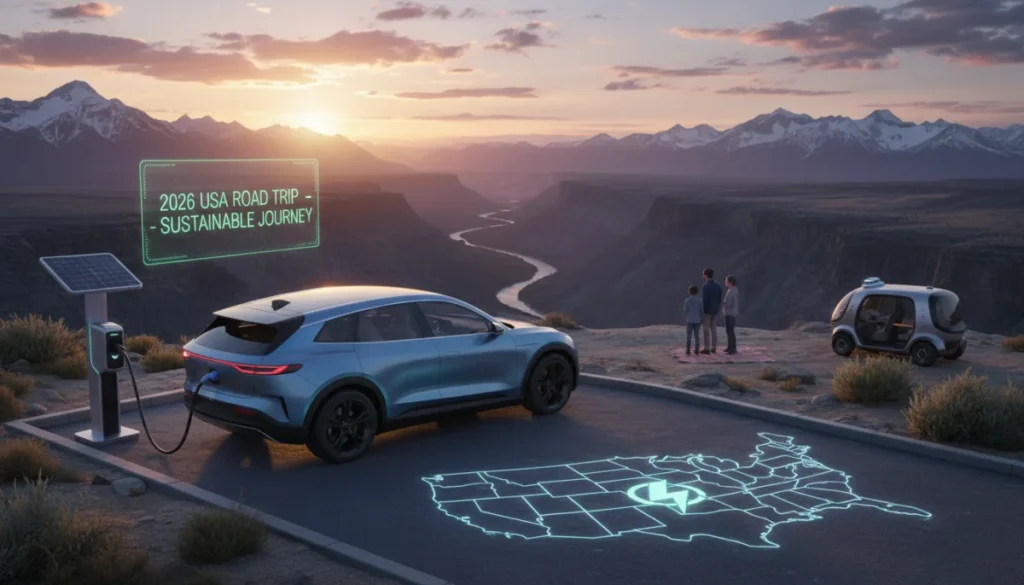
The landscape of cross-country travel is rapidly evolving, making it crucial for those planning 2026 USA road trips to understand key updates in technology, infrastructure, and regulations for an optimal experience.
Embarking on a cross-country adventure across the United States has always been a dream for many, a journey of discovery and freedom. However, as we look towards 2026, the open road is undergoing significant transformations. To ensure your upcoming 2026 USA road trips are seamless, enjoyable, and truly unforgettable, it’s vital to be aware of the essential updates impacting everything from vehicle technology to travel logistics and destination access. This guide will equip you with the knowledge needed to navigate these changes effectively.
The electric vehicle revolution and charging infrastructure
The shift towards electric vehicles (EVs) is accelerating, profoundly altering the dynamics of long-distance travel. For those planning 2026 USA road trips, understanding the expanding, yet still developing, EV charging infrastructure is paramount. Gone are the days when gasoline stations were the sole consideration; now, charging stops require strategic planning, especially in less populated areas.
The federal government, alongside private enterprises, is heavily investing in a robust national charging network. This includes the deployment of high-speed DC Fast Chargers along major interstates and within rural communities. Travelers can expect more consistent access to charging points, but verifying charger availability and compatibility with your vehicle model will remain a critical step in trip planning.
Expanding charging networks
Several major players are leading the charge in expanding the EV infrastructure. Companies like Electrify America, EVgo, and Tesla’s Supercharger network continue to grow, offering diverse charging options. However, interoperability remains a key consideration, with more universal charging standards like the North American Charging Standard (NACS) gaining traction, promising a more streamlined experience in the future.
- Electrify America: Significant expansion along major highways and urban centers.
- EVgo: Focus on urban areas and retail locations, often with multiple charging speeds.
- Tesla Supercharger Network: Increasingly opening to non-Tesla vehicles, expanding accessibility.
- Hotel & Lodging Chargers: Many accommodations now offer Level 2 charging, ideal for overnight stops.
Planning your EV route
Dedicated apps and in-car navigation systems are becoming indispensable tools for EV road trippers. These platforms provide real-time information on charger locations, availability, pricing, and even estimated charging times. Relying solely on older navigation methods without considering charging stops can lead to significant delays or range anxiety. It’s advisable to factor in buffer time for charging, especially during peak travel seasons.
In conclusion, the EV revolution presents exciting opportunities for sustainable and cost-effective 2026 USA road trips. While the infrastructure is improving rapidly, proactive planning and reliance on up-to-date resources will ensure a smooth journey. Embrace the technology, and the open road awaits with new possibilities.
Digital nomad visas and remote work hubs
The rise of remote work has introduced a new dimension to travel, with many individuals seeking to combine work and exploration. For those considering extended 2026 USA road trips, the concept of digital nomad visas and the proliferation of remote work hubs are significant updates. While the U.S. doesn’t have a specific federal digital nomad visa, individual states and cities are actively creating incentives and infrastructure to attract remote workers, blending travel with professional life.
This trend allows travelers to spend more time in a location, immersing themselves in local culture while maintaining their careers. It’s a departure from traditional vacationing, offering a deeper, more sustainable way to experience the country. States recognizing the economic benefits are developing programs to support this growing demographic.
State-level initiatives for remote workers
Several states and smaller communities are rolling out attractive packages to entice remote workers. These often include financial incentives, access to co-working spaces, and community integration programs. Places like Tulsa, Oklahoma, and various towns in West Virginia have pioneered such initiatives, demonstrating a clear understanding of the digital nomad economy’s potential.
- Financial Incentives: Cash grants or tax breaks for relocating remote workers.
- Co-working Spaces: Access to modern facilities with high-speed internet and professional amenities.
- Community Programs: Events and networks designed to help new residents integrate.
- Affordable Living: Focus on areas with a lower cost of living, maximizing purchasing power.
Optimizing your mobile workspace
For those living and working from their vehicle during 2026 USA road trips, setting up an efficient mobile workspace is key. This involves ensuring reliable internet access, whether through mobile hotspots, satellite internet solutions, or leveraging public Wi-Fi. Power solutions, including solar panels and portable battery banks, are also crucial for maintaining productivity on the go.
The integration of work and travel requires careful consideration of connectivity and comfort. Researching cellular coverage maps along your route and investing in robust power solutions will prevent disruptions to your work schedule. The flexibility offered by remote work can transform a typical road trip into an extended exploration, enriching your travel experience significantly.
National park reservation systems and visitor management
America’s national parks continue to be iconic destinations for 2026 USA road trips, but their immense popularity has necessitated new visitor management strategies. Many parks have implemented or expanded reservation systems for entry, specific trails, or popular attractions to combat overcrowding and preserve natural resources. This is a crucial update for travelers, as spontaneous visits to some of the most sought-after parks may no longer be feasible.
Understanding these systems and planning well in advance is essential to avoid disappointment. The goal is to provide a better visitor experience by reducing traffic congestion, protecting fragile ecosystems, and ensuring everyone has a chance to enjoy these natural wonders. These changes reflect a commitment to sustainable tourism.
Navigating park entry reservations
The reservation systems vary by park, but generally involve securing a timed entry pass or a permit for specific areas. Popular parks like Yosemite, Zion, and Arches often require reservations months in advance, especially during peak seasons. It’s imperative to check the official National Park Service (NPS) website for each park you plan to visit to understand their specific requirements.
Failing to secure a reservation could mean being turned away at the gate, disrupting your entire itinerary. Some parks also offer a limited number of last-minute reservations, but these are highly competitive. Flexibility in your travel dates can sometimes increase your chances of securing a slot.
Alternative park experiences
If your preferred national park is fully booked, or if you prefer a less crowded experience, consider exploring lesser-known national parks, national monuments, or state parks. The U.S. boasts a vast network of public lands that offer equally stunning landscapes and recreational opportunities without the same level of visitor restrictions. These alternatives can provide a more intimate connection with nature and often reveal hidden gems.
- Explore lesser-known national parks: Often just as beautiful, but with fewer crowds.
- Visit national monuments: Offer unique historical or geological significance.
- Discover state parks: Excellent recreational facilities and scenic beauty, typically easier access.
- Off-peak travel: Consider visiting popular parks during the shoulder seasons or weekdays for easier entry.
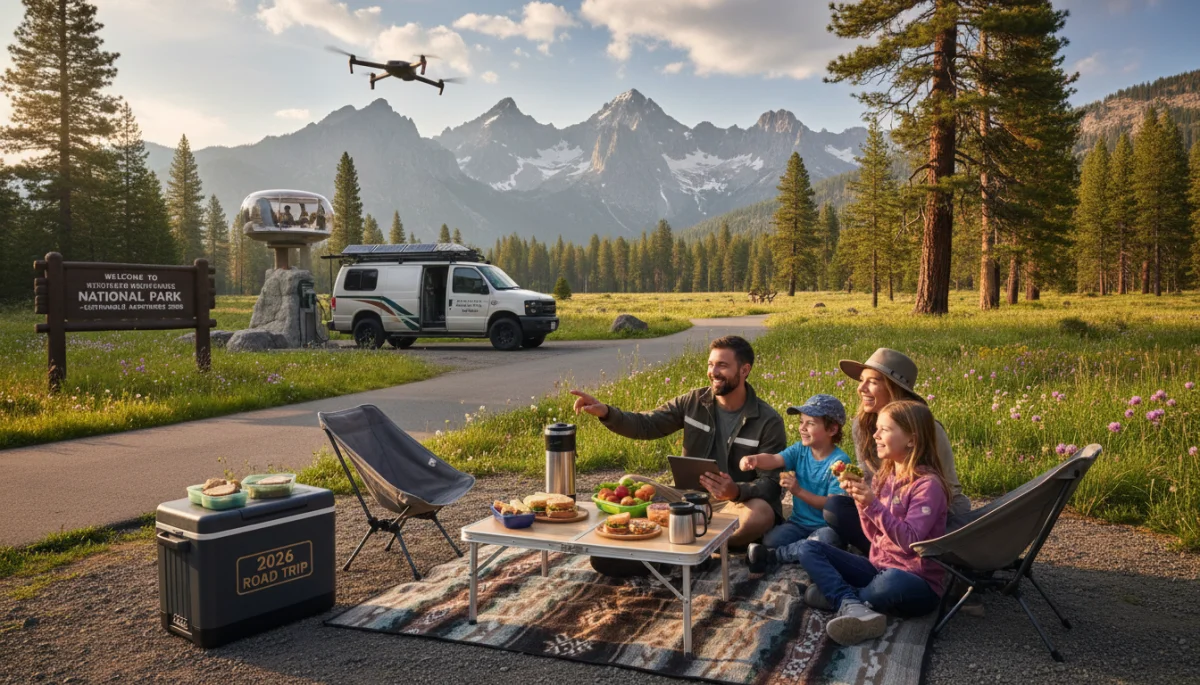
In summary, the evolution of national park visitor management aims to balance access with preservation. For 2026 USA road trips, this means being prepared and planning your park visits well in advance to guarantee entry and a memorable experience.
Enhanced travel safety and security protocols
As travel evolves, so do the measures to ensure traveler safety and security. For 2026 USA road trips, expect enhanced protocols and technologies designed to provide a safer environment, both on the road and at destinations. This isn’t just about governmental regulations; it also encompasses advancements in vehicle safety, emergency communication, and personal preparedness.
From smart vehicle features to improved public safety alerts, staying informed about these updates can significantly contribute to a worry-free journey. The focus is on leveraging technology and data to mitigate risks and empower travelers with better information.
Vehicle safety innovations
Modern vehicles are equipped with an array of advanced driver-assistance systems (ADAS) that enhance safety. Features like adaptive cruise control, lane-keeping assist, automatic emergency braking, and blind-spot monitoring are becoming standard, significantly reducing the risk of accidents. For those renting vehicles for their 2026 USA road trips, familiarizing yourself with these systems is highly recommended.
Beyond ADAS, telematics systems can provide real-time vehicle diagnostics and even alert emergency services in the event of a collision. These technological advancements offer an unprecedented level of protection and peace of mind for travelers.
Personal preparedness and digital tools
Travelers are encouraged to adopt a proactive approach to personal safety. This includes utilizing travel apps that provide real-time crime maps, emergency contact features, and secure document storage. Carrying a personal safety device, like a GPS tracker or a satellite communicator for remote areas, can also be invaluable. Additionally, having a well-stocked first-aid kit and emergency roadside assistance plan remains fundamental.
- Emergency Communication Devices: Satellite phones or communicators for off-grid travel.
- Travel Safety Apps: Real-time alerts and local emergency services information.
- Digital Document Backups: Secure cloud storage for passports, licenses, and insurance.
- Vehicle Maintenance: Regular checks before and during the trip to prevent breakdowns.
Ultimately, enhanced safety protocols and personal preparedness are about empowering travelers. By embracing new technologies and adopting smart habits, your 2026 USA road trips can be both exciting and secure, allowing you to fully enjoy the journey.
Sustainable travel practices and eco-tourism
The growing awareness of environmental impact is shaping travel choices, with sustainable travel practices and eco-tourism becoming increasingly prominent for 2026 USA road trips. Travelers are seeking ways to minimize their ecological footprint while exploring the country’s diverse landscapes. This shift influences everything from vehicle selection to accommodation choices and how interactions with local communities are approached.
Eco-tourism is not just a trend; it’s a commitment to preserving the natural and cultural integrity of destinations. It involves making conscious decisions that benefit the environment and local economies, ensuring these places remain vibrant for future generations.
Eco-friendly transportation options
Beyond electric vehicles, other sustainable transportation choices are gaining traction. This includes opting for hybrid vehicles, carpooling, or even integrating cycling and hiking into longer journeys to reduce reliance on motorized transport. When renting, inquire about the fuel efficiency and emissions ratings of available vehicles. Some rental companies are also expanding their fleet of electric and hybrid options.
Consider offsetting your carbon footprint through reputable programs that invest in reforestation or renewable energy projects. Every small choice contributes to a larger positive impact on the environment.
Conscious accommodation and activities
Choosing eco-certified accommodations, such as hotels with sustainable practices or campgrounds that emphasize Leave No Trace principles, is another way to support responsible tourism. Many destinations now highlight businesses committed to environmental stewardship, making it easier for travelers to make informed decisions. Engaging in activities that support local conservation efforts or cultural preservation also aligns with eco-tourism principles.
- Eco-certified Lodging: Hotels and rentals adhering to environmental standards.
- Local & Sustainable Dining: Supporting restaurants that source local, organic produce.
- Leave No Trace Principles: Minimizing impact on natural environments during outdoor activities.
- Community-based Tourism: Engaging with local communities in a respectful and beneficial way.
By embracing sustainable travel practices, your 2026 USA road trips can be more meaningful and contribute positively to the places you visit. It’s about enjoying the beauty of the U.S. responsibly, ensuring its preservation for years to come.
Advancements in travel technology and connectivity
Technology continues to revolutionize the travel experience, and for 2026 USA road trips, advancements in connectivity and smart devices will play an even more integral role. From real-time traffic updates and personalized navigation to seamless booking platforms and immersive entertainment, technology is making travel more efficient, enjoyable, and connected than ever before.
The proliferation of 5G networks, enhanced satellite internet, and AI-powered travel assistants means that travelers can expect a highly integrated and responsive journey. These tools not only simplify logistics but also open up new possibilities for exploration and interaction.
Smart navigation and real-time data
Next-generation GPS systems and AI-powered navigation apps offer more than just directions. They integrate real-time traffic, weather conditions, road closures, and even parking availability. Some systems can predict optimal routes based on historical data and current events, saving time and reducing stress. Voice-activated assistants in vehicles can manage itineraries, find points of interest, and even make reservations on the go.
This level of data integration ensures that travelers are always aware of their surroundings and can adapt their plans dynamically. The days of relying solely on static maps are long gone, replaced by intelligent systems that serve as a co-pilot for your journey.
Enhanced connectivity on the go
Maintaining reliable internet access throughout your 2026 USA road trips is becoming easier. The expansion of 5G networks into more rural areas, coupled with advancements in mobile hotspot technology and even consumer-grade satellite internet, ensures consistent connectivity. This is vital for remote workers, for accessing entertainment, and for staying in touch with family and friends.
- 5G Mobile Hotspots: Faster speeds and broader coverage for multiple devices.
- Satellite Internet Solutions: Reliable connectivity in remote areas where cellular service is weak.
- In-Car Wi-Fi: Many new vehicles offer integrated Wi-Fi hotspots as a subscription service.
- Travel Apps: Consolidated platforms for booking, navigation, entertainment, and communication.
In essence, advancements in travel technology and connectivity are transforming 2026 USA road trips into a more informed, efficient, and personalized experience. Embracing these tools will unlock new levels of convenience and enjoyment on your journey.
The rise of personalized travel itineraries and AI assistance
The era of one-size-fits-all travel is fading, giving way to highly personalized itineraries, often powered by artificial intelligence. For 2026 USA road trips, AI assistance will be instrumental in crafting bespoke journeys that align perfectly with individual preferences, interests, and budgets. This means less time spent on tedious planning and more time enjoying the open road.
AI algorithms can analyze vast amounts of data, including past travel history, online reviews, and real-time conditions, to recommend everything from unique dining experiences to off-the-beaten-path attractions. The goal is to create a truly unique and memorable adventure for every traveler.
AI-powered trip planners
New generation travel planning platforms leverage AI to build dynamic itineraries. Users can input their preferences – such as interest in history, outdoor activities, culinary experiences, or budget constraints – and the AI will generate a detailed route, suggest accommodations, and even recommend local events. These planners can also adapt to changes, rerouting or suggesting alternatives if unexpected delays or closures occur.
This level of personalization goes beyond simple recommendations, offering integrated booking options and real-time adjustments. It’s like having a personal travel agent available 24/7, refining your trip as you go.
Curated experiences and local insights
AI can also tap into hyper-local data to provide authentic experiences. This includes recommending hidden gems that aren’t in mainstream guidebooks, connecting travelers with local guides, or suggesting community events. For 2026 USA road trips, this means moving beyond tourist traps and discovering the true essence of each region you visit.
- Customized Activity Suggestions: Based on historical data and user preferences.
- Dynamic Route Optimization: Adjusting to real-time traffic and weather conditions.
- Personalized Accommodation Picks: Matching lodging to budget and desired amenities.
- Local Event Integration: Alerting travelers to festivals, markets, or concerts during their visit.
Ultimately, the rise of personalized travel itineraries and AI assistance ensures that your 2026 USA road trips will be perfectly tailored to your desires, minimizing planning effort and maximizing discovery. Embrace these intelligent tools to unlock an unparalleled travel experience.
Health and wellness considerations for extended travel
Extended travel, especially cross-country road trips, demands a heightened focus on health and wellness. For 2026 USA road trips, this means not only being prepared for unforeseen medical needs but also proactively maintaining physical and mental well-being on the road. The emphasis is on holistic health, ensuring travelers remain energized and resilient throughout their journey.
From access to telehealth services to incorporating active breaks and nutritious eating, prioritizing health can significantly enhance the overall travel experience, making it more sustainable and enjoyable in the long run.
Telehealth and remote medical access
The expansion of telehealth services is a game-changer for travelers. Accessing virtual consultations with doctors, obtaining prescription refills, or even receiving mental health support is now possible from almost anywhere with an internet connection. This significantly reduces the need to find local medical facilities for non-emergency issues, providing peace of mind during your 2026 USA road trips.
Having a plan for medical emergencies, including knowing your insurance coverage and carrying essential medications, remains crucial. However, telehealth offers a convenient first line of defense for minor ailments or questions.
Maintaining physical and mental well-being
Road trips, while exciting, can also be physically demanding. Incorporating regular exercise, even simple stretching or short walks, can prevent stiffness and fatigue. Planning for nutritious meals, rather than relying solely on fast food, will maintain energy levels. Additionally, scheduling downtime and ensuring adequate sleep are vital for mental clarity and reducing stress.
- Regular Movement: Breaks for stretching, walking, or light exercise.
- Hydration & Nutrition: Carrying water and healthy snacks to avoid dehydration and unhealthy eating.
- Mindfulness & Rest: Incorporating meditation or quiet time, and ensuring sufficient sleep.
- Ergonomic Driving: Adjusting seating and posture to prevent back pain and fatigue.
By prioritizing health and wellness, your 2026 USA road trips can be more than just a journey; they can be an opportunity for rejuvenation and self-care. A healthy traveler is a happy traveler, ready to embrace every adventure that comes their way.
| Key Update | Brief Description |
|---|---|
| EV Charging Network | Expanding fast-charger infrastructure requires route planning for electric vehicles. |
| National Park Reservations | Many popular parks now require advance reservations for entry or specific areas. |
| Digital Nomad Opportunities | States and cities offer incentives for remote workers to extend their stays. |
| Travel Tech & AI | AI-powered trip planners and enhanced connectivity personalize travel experiences. |
Frequently asked questions about 2026 USA road trips
EV charging requires strategic route planning to locate compatible fast chargers. Utilize dedicated apps for real-time availability and consider overnight Level 2 charging at accommodations. Factor in charging times to avoid delays, ensuring a smooth transition to electric travel.
No, not all national parks require reservations, but many popular ones do, especially during peak seasons. Always check the official National Park Service website for specific park entry requirements and book well in advance to secure your visit.
Combining remote work with a road trip allows for extended stays, deeper cultural immersion, and potentially financial incentives from states attracting digital nomads. It transforms short vacations into comprehensive experiences, balancing professional responsibilities with exploration.
Ensure vehicle safety with ADAS features, carry emergency communication devices for remote areas, and use travel safety apps. Always have a well-stocked first-aid kit and a roadside assistance plan. Proactive planning significantly enhances your security.
AI will personalize itineraries based on your preferences, optimize routes with real-time data, and suggest unique local experiences. It streamlines planning, adapts to changes, and provides curated recommendations, making your 2026 USA road trip more tailored and efficient.
Conclusion
As we embark on 2026 USA road trips, the landscape of cross-country travel is richer and more complex than ever before. From the evolving infrastructure for electric vehicles to sophisticated national park reservation systems, and the exciting integration of digital nomad opportunities and AI-powered planning, understanding these essential updates is key to a successful journey. Embracing sustainable practices, prioritizing health, and leveraging cutting-edge technology will not only simplify your travels but also enrich your experiences, allowing you to discover the diverse beauty of the United States with greater confidence and enjoyment. The open road beckons, ready to offer unforgettable adventures to those prepared for its modern demands.
