Fed Rate Decisions: Impact on US Consumer Spending (6 Months)
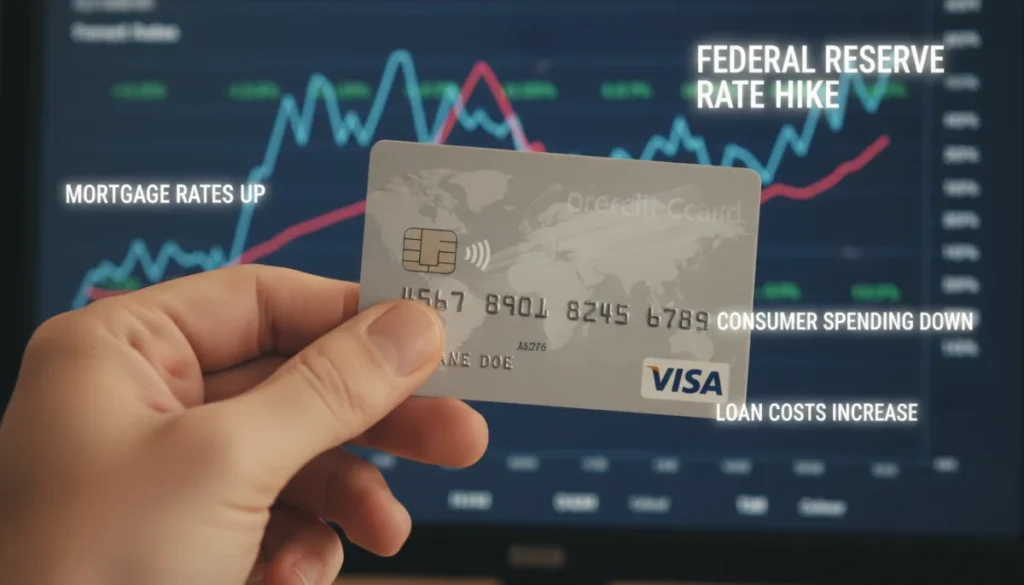
The Federal Reserve’s recent interest rate adjustments significantly influence US consumer spending by impacting borrowing costs, savings incentives, and overall economic confidence over the next six months.
Understanding how the latest Federal Reserve rate decisions influence US consumer spending over 6 months is crucial for every American household. These decisions, often seen as complex economic maneuvers, directly translate into tangible effects on your daily financial life, from the cost of your mortgage to the interest earned on your savings. Let’s delve into the mechanics of these changes and their projected impact on your wallet.
The Federal Reserve’s Role in the US Economy
The Federal Reserve, often referred to as the ‘Fed,’ serves as the central bank of the United States. Its primary mandates are to foster maximum employment, maintain stable prices, and moderate long-term interest rates. These responsibilities are carried out through various monetary policy tools, with interest rate adjustments being one of the most prominent and impactful.
When the Fed alters the federal funds rate, it doesn’t directly set the interest rates consumers pay. Instead, it influences the rate at which banks lend to each other overnight. This, in turn, cascades throughout the financial system, affecting a wide array of other interest rates, including those for loans, mortgages, and savings accounts.
Understanding the Federal Funds Rate
The federal funds rate is the target interest rate set by the Federal Open Market Committee (FOMC). It’s a benchmark that commercial banks use to lend excess reserves to other banks. Changes to this rate signal the Fed’s stance on economic conditions and its future policy intentions.
- Rate Hikes: Typically implemented to combat inflation by making borrowing more expensive, thereby cooling down economic activity.
- Rate Cuts: Usually employed to stimulate economic growth during downturns by making borrowing cheaper and encouraging spending and investment.
- Holding Steady: Indicates the Fed believes current economic conditions are stable or that previous adjustments are still working through the system.
The Fed’s decisions are not made in a vacuum; they are a response to current economic data, including inflation rates, unemployment figures, and GDP growth. These decisions are then communicated to the public, influencing market expectations and consumer behavior.
Direct Impact on Borrowing Costs and Debt
One of the most immediate and noticeable effects of Federal Reserve rate decisions on US consumer spending is the change in borrowing costs. When the Fed raises interest rates, it becomes more expensive for banks to borrow money, a cost that is then passed on to consumers in the form of higher interest rates on various loans.
Conversely, a rate cut makes borrowing cheaper, potentially encouraging consumers to take on new loans or refinance existing ones. These shifts can significantly alter a household’s disposable income and their willingness to make large purchases.
Mortgage Rates and Housing Market
Mortgage rates are highly sensitive to Federal Reserve policy. Over the next six months, if the Fed continues with rate hikes or maintains high rates, we can expect mortgage rates to remain elevated. This directly impacts the affordability of homes, potentially slowing down the housing market as fewer buyers can qualify or afford higher monthly payments.
For those with adjustable-rate mortgages (ARMs), higher rates mean increased monthly payments, reducing discretionary spending. Even those with fixed-rate mortgages might feel the pinch indirectly as higher rates affect overall economic sentiment.
- Higher Rates: Increased mortgage payments, reduced housing demand, slower home sales.
- Lower Rates: Decreased mortgage payments, stimulated housing demand, increased refinancing activity.
- Impact on Renters: Higher rates can also affect rental markets, as some prospective homeowners remain renters, increasing demand and potentially pushing up rental costs.
The housing market is a significant component of consumer wealth and confidence, and changes here ripple through many other sectors of the economy.
Influence on Savings and Investment Returns
While higher interest rates make borrowing more expensive, they offer a silver lining for savers and investors. When the Federal Reserve raises rates, banks typically increase the interest they pay on savings accounts, certificates of deposit (CDs), and money market accounts. This can incentivize consumers to save more, potentially at the expense of immediate spending.
Over the next six months, if rates remain high or continue to climb, consumers might find it more attractive to keep their money in interest-bearing accounts rather than spending it on non-essential items. This shift in behavior can have a dampening effect on retail sales and other discretionary spending categories.
Impact on Investment Portfolios
For investors, higher interest rates can affect various asset classes. Bond yields tend to rise, making them more attractive compared to stocks, especially growth stocks that are sensitive to borrowing costs. This can lead to a rebalancing of investment portfolios, potentially shifting capital away from consumer-facing businesses.
However, it’s a double-edged sword: while some investments may offer higher returns, the increased cost of capital can also slow down corporate expansion and hiring, which indirectly impacts consumer confidence and job security.
- Increased Savings Yields: Higher returns on bank deposits, encouraging saving over spending.
- Bond Market Shifts: More attractive bond yields, potentially drawing investment away from equities.
- Corporate Impact: Higher borrowing costs for businesses may lead to reduced investment and slower job growth.
The interplay between saving incentives and investment returns is a critical factor in how consumers allocate their financial resources in response to Fed decisions.
Consumer Confidence and Economic Outlook
Beyond the direct financial implications, Federal Reserve rate decisions profoundly influence consumer confidence and the broader economic outlook. When the Fed signals a commitment to controlling inflation through rate hikes, it can sometimes lead to concerns about a potential economic slowdown or recession. This uncertainty can make consumers more cautious about their spending habits.
A confident consumer is more likely to make large purchases, invest in their future, and generally contribute to economic growth. Conversely, a fearful consumer tends to hoard cash, delay purchases, and reduce discretionary spending, which can exacerbate economic downturns.
Psychological Impact on Spending
The psychological factor is often underestimated. News headlines about rising rates or potential economic tightening can create a sense of unease. Consumers might interpret these signals as a cue to tighten their belts, even if their personal financial situation hasn’t immediately deteriorated.
This precautionary saving or spending reduction can become a self-fulfilling prophecy, contributing to a broader slowdown in economic activity. Over the next six months, sustained high rates could lead to a more conservative consumer mindset, impacting sectors reliant on discretionary spending.
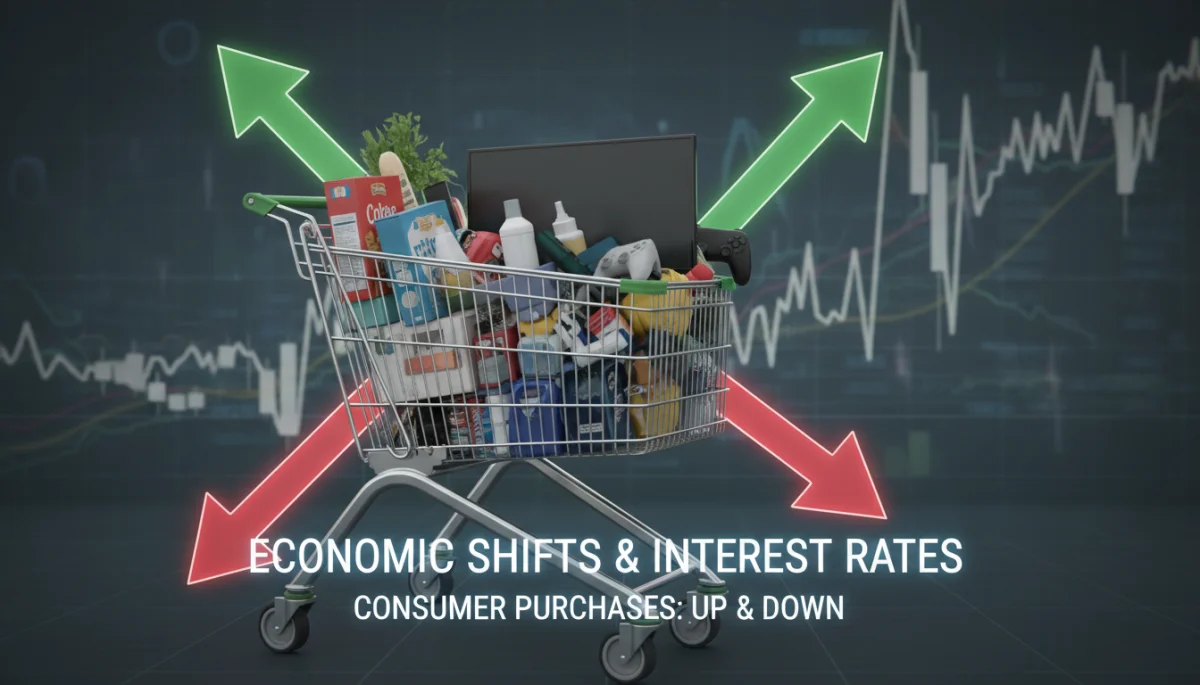
For instance, sectors like travel, hospitality, and luxury goods are often the first to feel the impact of reduced consumer confidence. People might opt for staycations over international trips or delay buying a new car or expensive electronics.
The Fed’s communication strategy is therefore crucial, as it tries to manage expectations and steer the economy without causing undue panic or over-optimism. Clear and consistent messaging can help stabilize consumer sentiment.
Impact on Specific Consumer Spending Categories
Federal Reserve rate decisions do not affect all consumer spending categories equally. Some sectors are more sensitive to changes in interest rates and economic outlook than others. Understanding these differential impacts can provide a clearer picture of how consumer behavior will evolve over the next six months.
Big-ticket items, which often require financing, are typically the most vulnerable to interest rate changes. Conversely, essential goods and services tend to be more resilient, though even these can face pressure during periods of high inflation or reduced disposable income.
Durable Goods and Automotive Sales
Purchases of durable goods, such as cars, appliances, and furniture, are highly dependent on financing. When interest rates rise, the monthly payments for these items increase, making them less affordable. This can lead to consumers delaying purchases or opting for used items instead of new ones.
The automotive industry is particularly sensitive, as most car purchases involve loans. Higher auto loan rates can significantly dampen sales, impacting manufacturers, dealerships, and related service industries. Over the next six months, if rates remain elevated, we could see continued pressure on these sectors.
- Automotive: Higher loan rates reduce affordability, impacting new and used car sales.
- Home Appliances: Big-ticket appliance purchases often financed, sensitive to rate changes.
- Electronics: Many electronics purchases also involve credit, though less impacted than cars or homes.
Understanding these specific impacts helps paint a more nuanced picture of how macroeconomic policy translates into microeconomic realities for American consumers.
Forecasting Consumer Spending Over the Next 6 Months
Predicting consumer spending with absolute certainty is impossible, but based on the Federal Reserve’s current stance and historical patterns, we can make informed projections for the next six months. The trajectory of consumer spending will largely depend on whether the Fed continues its tightening cycle, pauses, or potentially begins to ease rates.
If the Fed continues to prioritize inflation control with further rate hikes or by maintaining high rates, a more restrained consumer spending environment is likely. This scenario would see consumers grappling with higher borrowing costs and potentially a more cautious economic outlook.
Potential Scenarios for Consumer Behavior
Scenario 1: Continued Rate Hikes/High Rates
Under this scenario, consumers are expected to be more conservative. Discretionary spending on travel, entertainment, and luxury goods may decline as households prioritize essential expenditures and debt repayment. Savings rates might see a modest increase due to attractive yields, and the housing market could remain subdued. Businesses reliant on consumer credit for large purchases would face headwinds.
Scenario 2: Fed Pauses or Signals Future Cuts
If the Fed signals a pause or hints at future rate cuts, it could inject a dose of optimism into the consumer market. Lower interest rates would make borrowing more affordable, potentially stimulating demand for mortgages, auto loans, and other financed purchases. Consumer confidence might improve, leading to an uptick in discretionary spending and a more buoyant housing market.
Regardless of the exact path, consumers are likely to remain highly attuned to economic indicators and Fed announcements. Personal financial planning, including managing debt and optimizing savings, will be paramount in navigating the evolving economic landscape.
| Key Impact Area | Brief Description of Influence |
|---|---|
| Borrowing Costs | Higher Fed rates lead to increased interest on loans (mortgages, credit cards), reducing purchasing power. |
| Savings Incentives | Increased rates make savings accounts and CDs more attractive, potentially shifting funds from spending to saving. |
| Consumer Confidence | Fed decisions influence economic sentiment; uncertainty can lead to reduced discretionary spending. |
| Durable Goods Market | Big-ticket items like cars and appliances, often financed, see reduced demand with higher interest rates. |
Frequently Asked Questions About Fed Rates and Spending
Federal Reserve rate hikes typically lead to higher interest rates on variable-rate credit cards. This means your monthly minimum payments might increase, and a larger portion of your payment will go towards interest, making it more expensive to carry a balance. Consumers should prioritize paying down high-interest debt.
Yes, generally, a Federal Reserve rate increase translates to higher interest rates offered by banks on savings accounts, money market accounts, and Certificates of Deposit (CDs). This provides an incentive for consumers to save more, as their money earns a better return over time.
The impact of Fed rate changes on consumer spending isn’t immediate but typically unfolds over several weeks to months. Changes in mortgage rates and credit card interest often appear within a few weeks, while broader shifts in consumer confidence and spending habits may take several months to fully materialize.
Sectors heavily reliant on consumer financing are most affected. These include the housing market (mortgages), automotive industry (car loans), and purchases of large durable goods like appliances. Discretionary spending on luxury items and travel can also see significant shifts due to changes in consumer confidence.
It’s prudent to review your financial plans in light of Fed decisions. If rates are rising, consider paying down variable-rate debt or locking in fixed rates. If rates are expected to fall, you might consider refinancing opportunities. Always consult a financial advisor for personalized guidance based on your specific situation.
Conclusion
The Federal Reserve’s interest rate decisions are a powerful lever in the US economy, with far-reaching consequences for consumer spending. Over the next six months, these decisions will continue to dictate the cost of borrowing, the returns on savings, and the overall sentiment of American households. While the Fed aims for a delicate balance of price stability and maximum employment, consumers must remain vigilant, adapting their financial strategies to navigate the evolving economic landscape. Understanding these dynamics is not just for economists; it is essential knowledge for every individual looking to make informed financial choices in an ever-changing economic environment.
