Solo Travel USA 2026: 6 Essential Safety Strategies
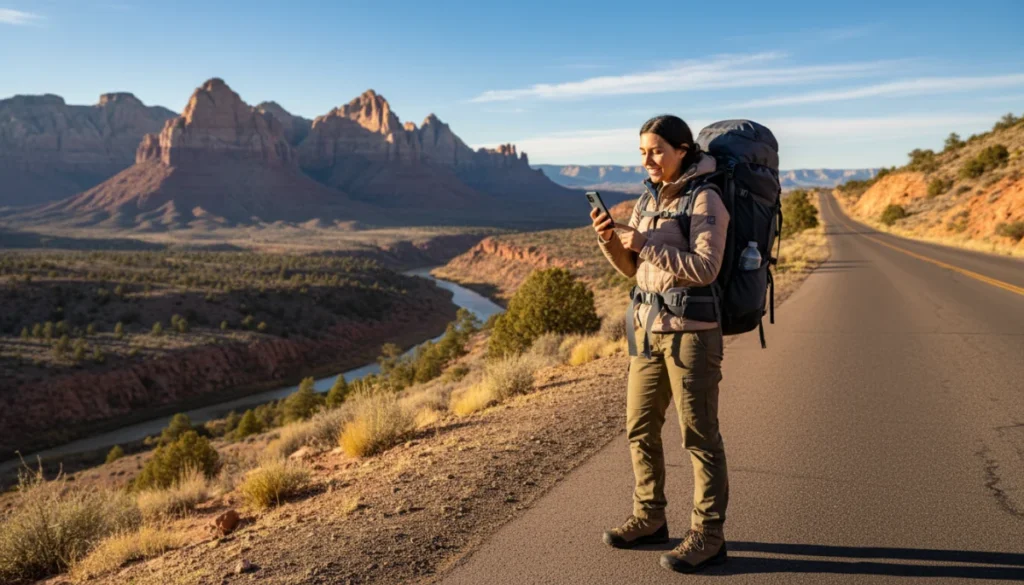
Solo travel across the USA in 2026 demands a comprehensive approach to safety, integrating advanced planning, digital vigilance, and robust emergency protocols for a truly empowering and protected experience.
Are you dreaming of hitting the open road alone, exploring the vast and diverse landscapes of the United States in 2026? While the allure of independent adventure is strong, ensuring your well-being is paramount. This guide provides six essential strategies for solo travel across the USA in 2026: 6 essential safety strategies, designed to help you navigate your journey with confidence and peace of mind.
1. Meticulous pre-trip planning and research
Effective solo travel begins long before you pack your bags. Thorough research and meticulous planning are your first lines of defense against potential issues. Understanding your destinations, routes, and accommodations in advance can mitigate many risks, allowing you to focus on the joy of discovery.
Before setting out, dive deep into the specific areas you plan to visit. Different regions of the USA present unique considerations, from urban safety to wilderness preparedness. Knowing what to expect and how to respond can make all the difference in an unexpected situation.
Choosing safe accommodations
Your choice of lodging significantly impacts your safety. Look for accommodations with good reviews specifically mentioning solo female travelers or general security. Consider factors like location, neighborhood safety, and on-site security measures.
- Read recent guest reviews on multiple platforms.
- Check for 24-hour front desk service and secure entry systems.
- Research the neighborhood for safety ratings and local amenities.
Route and destination intelligence
Mapping out your journey with safety in mind is crucial. Avoid areas known for high crime rates, especially if you’ll be arriving late or navigating alone. Familiarize yourself with local transportation options and peak travel times.
Utilize online resources like local police reports, travel forums, and government advisories to gain insight into potential risks. Being informed empowers you to make smarter choices about where you go and when.
Concluding this section, remember that informed decisions stems from comprehensive research. The more you know about your destinations and routes, the better equipped you will be to handle any challenges that arise, ensuring a smoother and safer solo adventure.
2. Digital security and communication protocols
In 2026, technology is an indispensable tool for solo travelers. Leveraging digital security and establishing clear communication protocols can provide a vital safety net. From keeping your devices secure to maintaining contact with your support network, digital vigilance is key.
Your smartphone is more than just a communication device; it’s a navigation tool, an emergency beacon, and a link to vital information. Protecting it and using it wisely is fundamental for safe solo travel.
Essential safety apps and tools
Equip your phone with apps that enhance your safety. These can range from GPS navigation to personal safety alarms and emergency contact applications. Ensure they are downloaded, updated, and tested before you depart.
- Emergency alert apps that notify contacts with your location.
- Offline maps for areas with limited connectivity.
- Identity theft protection services for financial security.
Maintaining communication with loved ones
Establish a communication plan with family or friends. Share your itinerary, check in regularly, and have a designated person who knows your movements. This creates a virtual safety net, ensuring someone is aware of your whereabouts.
Consider sharing your live location with trusted contacts for added security. In an emergency, this can significantly reduce response times. Always have a backup charging solution for your devices, like a power bank.
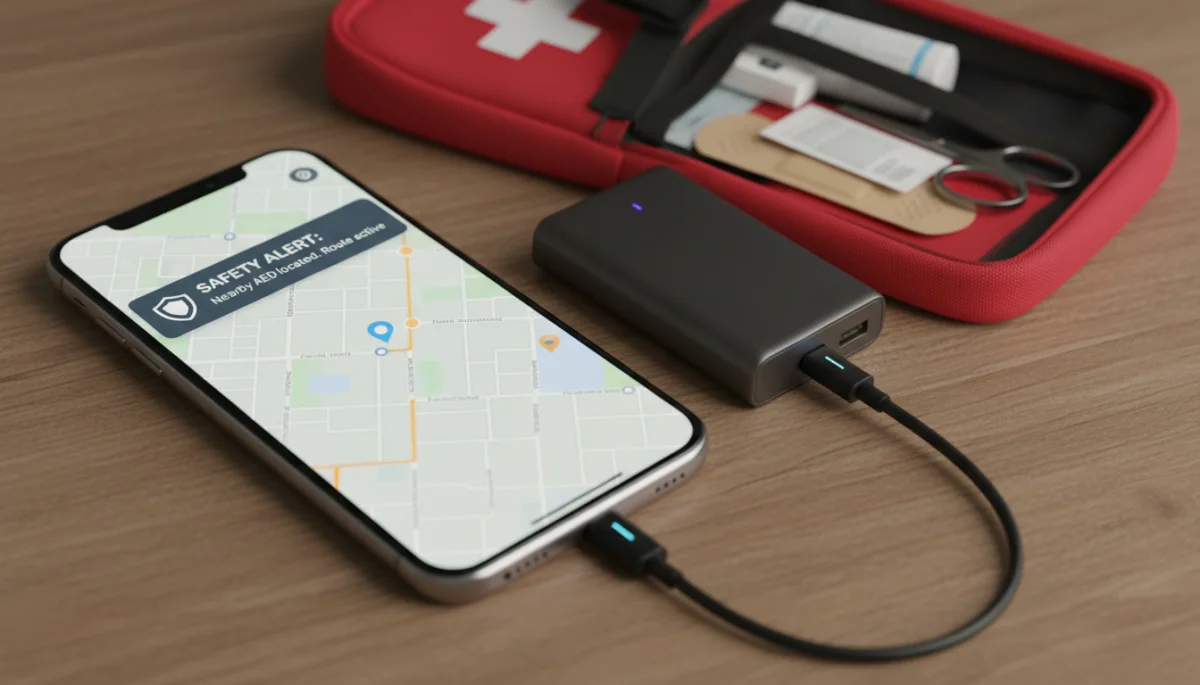
Ultimately, a robust digital strategy, including secure devices and reliable communication, forms a critical layer of protection for any solo traveler. It provides both practical tools and peace of mind throughout your journey.
3. Personal awareness and situational assessment
One of the most powerful safety tools a solo traveler possesses is personal awareness. Being mindful of your surroundings and continuously assessing your situation can help you avoid dangerous encounters before they escalate. Trusting your instincts is paramount.
Situational awareness isn’t about paranoia; it’s about being present and observant. It involves noticing details, recognizing potential threats, and making proactive decisions to ensure your safety in various environments.
Trusting your intuition
If a situation or a person feels off, listen to that feeling. Your gut instinct is a powerful survival mechanism. It’s always better to err on the side of caution and remove yourself from an uncomfortable situation than to ignore a warning sign.
Do not feel obligated to be polite if you feel unsafe. Your safety is more important than someone else’s feelings. Confidently assert your boundaries and remove yourself from any situation that makes you uneasy.
Blended in, not standing out
Try to blend in with the local population rather than drawing attention to yourself as a tourist. This can involve dressing appropriately for the region, avoiding flashy displays of wealth, and not openly consulting maps or phones in unfamiliar areas.
Walk with purpose and appear confident, even if you don’t feel it. Making eye contact and acknowledging people briefly can convey confidence, while avoiding prolonged stares can prevent unwanted attention. Be aware of your posture and body language.
In conclusion, cultivating strong personal awareness and honing your situational assessment skills are vital. These soft skills empower you to navigate unfamiliar environments safely and respond effectively to potential challenges.
4. Emergency preparedness and essential gear
Even with the best planning, emergencies can happen. Being prepared for unexpected events is a cornerstone of safe solo travel. This includes having essential gear, knowing basic first aid, and understanding how to access emergency services.
Beyond the obvious, emergency preparedness involves anticipating various scenarios, from minor inconveniences to serious incidents, and having a plan for each. This proactive approach minimizes panic and maximizes effective response.
Portable safety devices and first aid
Carry a personal safety alarm, especially if traveling alone in remote areas or at night. A small, loud alarm can deter potential attackers and attract attention. Additionally, a well-stocked first aid kit is non-negotiable.
- Pepper spray (where legal) for self-defense.
- A robust first-aid kit with pain relievers, bandages, and antiseptics.
- A whistle for signaling in emergencies.
Understanding local emergency services
Familiarize yourself with the local emergency number (911 in the USA) and know how to clearly communicate your location and the nature of your emergency. Have a list of important contacts, including your embassy or consulate if you are an international traveler.
Consider carrying a small card with essential medical information, emergency contacts, and any allergies. This can be invaluable if you are incapacitated and unable to communicate.
To summarize, comprehensive emergency preparedness, including carrying appropriate gear and knowing how to access help, creates a crucial safety net for solo adventurers. It’s about being ready for anything the road might throw your way.
5. Financial security and identity protection
Protecting your finances and personal identity is just as important as physical safety, especially when traveling solo. Thieves often target tourists, and losing access to funds or identity documents can derail your trip and create long-term problems.
Before you leave, take steps to secure your financial information and identity. During your trip, remain vigilant about how and where you use your cards and personal details.
Secure payment methods
Avoid carrying large amounts of cash. Rely on a combination of credit cards and debit cards, and inform your banks of your travel plans to prevent transaction flags. Keep emergency funds separate from your main wallet.
- Use credit cards with fraud protection.
- Have a backup debit card from a different bank.
- Consider a prepaid travel card for daily expenses.
Safeguarding personal documents
Make digital and physical copies of all important documents, such as your passport, driver’s license, and travel insurance. Store these copies separately from the originals. Consider using a secure cloud service for digital copies.
When out and about, carry only necessary identification and leave other important documents secured in your accommodation’s safe. Avoid displaying passports or large amounts of cash publicly.
In essence, proactive measures for financial and identity protection are vital for maintaining peace of mind during your solo journey. Secure your assets before and during your trip to prevent unnecessary complications.
6. Health and well-being considerations
Your physical and mental health are fundamental to a successful solo trip. Neglecting self-care can make you more vulnerable to accidents, illness, or emotional distress. Prioritizing your well-being ensures you have the energy and resilience to enjoy your adventure.
Solo travel can be exhilarating, but it can also be demanding. It’s important to be mindful of your body’s needs, manage stress, and seek help if you feel unwell or overwhelmed.
Staying healthy on the road
Maintain a healthy routine as much as possible. This includes eating nutritious meals, staying hydrated, and getting adequate sleep. Solo travelers might be tempted to push their limits, but rest is crucial for sustained energy and good judgment.
Be proactive about preventing illness. Carry hand sanitizer, avoid questionable food and water sources, and be aware of any local health advisories. If you take prescription medications, ensure you have enough for your entire trip, plus a buffer.
Managing mental and emotional well-being
Solo travel can sometimes lead to feelings of loneliness or anxiety. Plan activities that bring you joy, stay connected with loved ones virtually, and don’t hesitate to engage with other travelers or locals in safe environments.
Recognize the signs of burnout or stress. It’s okay to take a day off from sightseeing to simply relax and recharge. Prioritize activities that genuinely rejuvenate you, rather than feeling pressured to constantly explore.
Ultimately, prioritizing your health and well-being is not a luxury but a necessity for solo travel. A healthy body and mind are your greatest assets, enabling you to fully experience and safely navigate your journey.
| Key Strategy | Brief Description |
|---|---|
| Pre-trip Planning | Research destinations, accommodations, and routes thoroughly to avoid risks. |
| Digital Security | Use safety apps, share itinerary, and keep devices charged for communication. |
| Personal Awareness | Trust instincts, observe surroundings, and avoid drawing unnecessary attention. |
| Emergency Prep | Carry first aid, safety devices, and know local emergency contact numbers. |
Frequently Asked Questions About Solo Travel Safety
▼
Solo female travelers should prioritize thorough research on safe accommodations and neighborhoods, share their itinerary with trusted contacts, carry personal safety devices, and always trust their intuition. Avoiding isolated areas at night and being aware of surroundings are also key.
▼
For remote areas, ensure your phone has offline maps and emergency contacts. Consider a satellite communication device for areas without cell service. Inform someone of your exact route and expected return time. Carry extra power banks and a physical map as backup.
▼
If you feel uncomfortable, remove yourself from the situation calmly and confidently. Trust your gut feeling. Avoid confrontation and seek a safe public space or contact trusted individuals or local authorities if necessary. Do not feel obligated to be polite.
▼
Yes, travel insurance is highly recommended. It can cover medical emergencies, trip cancellations, lost luggage, and other unforeseen events. For solo travelers, this provides an essential layer of security and peace of mind, especially with potentially high US medical costs.
▼
Use secure payment methods like credit cards with fraud protection and avoid carrying excessive cash. Keep physical and digital copies of important documents separate from the originals. Be discreet when handling money and check bank statements regularly for suspicious activity.
Conclusion
Embarking on solo travel across the USA in 2026 is an incredibly rewarding experience, offering unparalleled freedom and personal growth. By diligently implementing these six essential safety strategies—meticulous planning, digital vigilance, heightened personal awareness, thorough emergency preparedness, robust financial security, and unwavering attention to your health and well-being—you can transform potential anxieties into empowering confidence. Your adventure awaits, and with these guidelines, you are well-equipped to explore the vast and beautiful American landscape safely and joyfully. Remember, your safety is your priority, allowing you to fully immerse yourself in the journey ahead.
