Reclaiming Public Spaces: 5 Trends in American Urban Culture for 2026
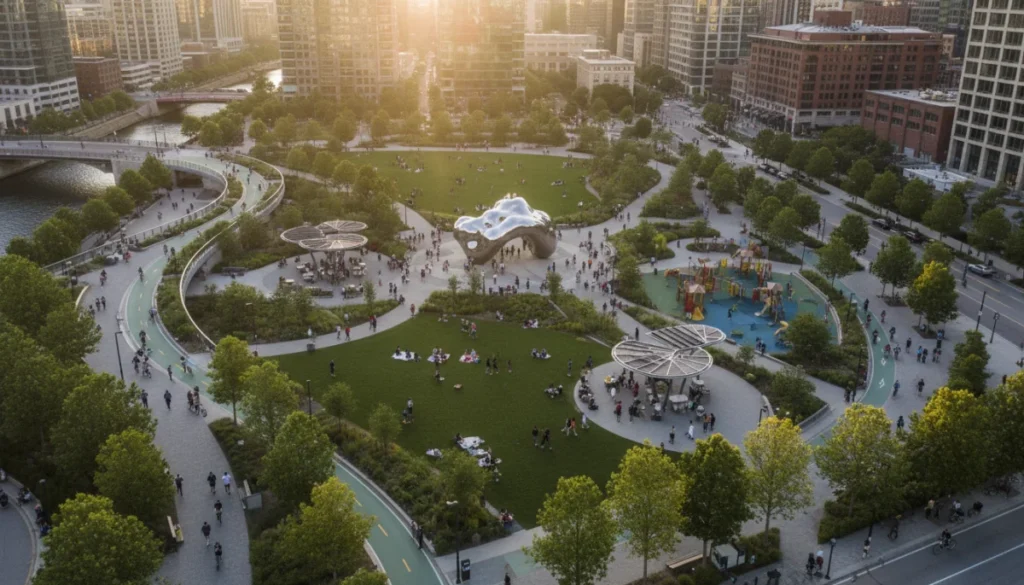
Reclaiming public spaces in American urban culture for 2026 involves innovative trends transforming city environments into more inclusive, sustainable, and community-driven areas.
American cities are constantly evolving, and by 2026, the movement towards reclaiming public spaces has reached a pivotal point. This isn’t just about beautification; it’s about fundamentally rethinking how urban areas serve their inhabitants, fostering community, sustainability, and accessibility for all.
The rise of tactical urbanism and temporary interventions
Tactical urbanism, once a fringe concept, has become a mainstream strategy in American cities looking to rapidly transform underutilized spaces. These temporary, low-cost interventions often serve as prototypes for more permanent changes, allowing communities to test ideas and gather feedback before significant investments are made.
The beauty of tactical urbanism lies in its agility and responsiveness. Instead of years of planning, communities can see tangible improvements in weeks or months. This approach empowers local residents and organizations to take an active role in shaping their immediate surroundings, fostering a sense of ownership and collective responsibility.
From parking lots to plazas: immediate impact
Many tactical urbanism projects focus on converting asphalt into vibrant community hubs. Parking lots are reimagined as temporary plazas, street sections become pedestrian zones, and neglected corners bloom into pop-up parks. These transformations often involve simple elements like movable furniture, planters, temporary art installations, and colorful ground murals.
- Pop-up parks: Utilizing vacant lots for temporary green spaces and community gathering.
- Street cafes and parklets: Extending dining and seating areas onto sidewalks and former parking spots.
- Art installations: Introducing temporary public art to activate spaces and encourage interaction.
The success of these interventions often leads to their permanence, demonstrating the power of grassroots efforts in urban planning. They prove that significant positive change doesn’t always require massive budgets, but rather creative thinking and community engagement.
In conclusion, tactical urbanism is driving a rapid, democratic transformation of public spaces. It allows cities to experiment, learn, and adapt, creating more dynamic and people-centric environments that truly reflect the needs and desires of their residents.
Green infrastructure and biodiverse urban oases
As cities grapple with climate change and the need for more sustainable environments, the integration of green infrastructure into public spaces is no longer a luxury but a necessity. By 2026, urban planners are increasingly leveraging natural systems to manage stormwater, improve air quality, and enhance biodiversity, creating vital urban oases.
These initiatives go beyond simple tree planting; they involve complex ecological design aimed at creating self-sustaining urban ecosystems. The goal is to weave nature seamlessly into the fabric of the city, providing both environmental benefits and enhanced quality of life for residents.
Designing with nature: beyond aesthetics
Green infrastructure encompasses a wide range of features, from permeable pavements and rain gardens to extensive urban forests and green roofs. These elements work together to mitigate the urban heat island effect, reduce flooding, and provide critical habitats for urban wildlife. The shift is towards multifunctional landscapes that serve multiple ecological and social purposes.
- Rain gardens and bioswales: Managing stormwater runoff naturally and filtering pollutants.
- Urban forests and tree canopies: Improving air quality, providing shade, and supporting biodiversity.
- Green roofs and vertical gardens: Insulating buildings, reducing energy consumption, and creating new green spaces.
The aesthetic appeal of these green spaces is undeniable, but their functional importance is paramount. They represent a strategic investment in the long-term health and resilience of urban environments, making cities more livable and sustainable for future generations. These biodiverse oases also provide crucial recreational opportunities and mental health benefits for city dwellers.
Ultimately, the trend of integrating green infrastructure demonstrates a holistic approach to urban development, recognizing the intrinsic link between environmental health and human well-being. These natural systems are becoming cornerstones in the ongoing effort to reclaim public spaces for ecological balance and community enjoyment.
Community-led placemaking and inclusive design
The most successful public spaces are those that genuinely reflect the needs and desires of the communities they serve. By 2026, there’s a strong emphasis on community-led placemaking, where residents are not just consulted but are active co-creators in the design and management of their shared environments. This ensures that spaces are truly inclusive and meet diverse needs.
This approach moves beyond top-down planning, fostering a sense of shared ownership and pride. When communities are involved from conception to implementation, the resulting spaces are more vibrant, resilient, and better utilized, becoming true reflections of local identity and culture.
Empowering residents: from vision to reality
Inclusive design principles are at the heart of community-led placemaking. This means designing spaces that are accessible to people of all ages and abilities, incorporating diverse cultural perspectives, and providing amenities that cater to a wide range of activities. Workshops, participatory design sessions, and local art programs are common tools for engagement.
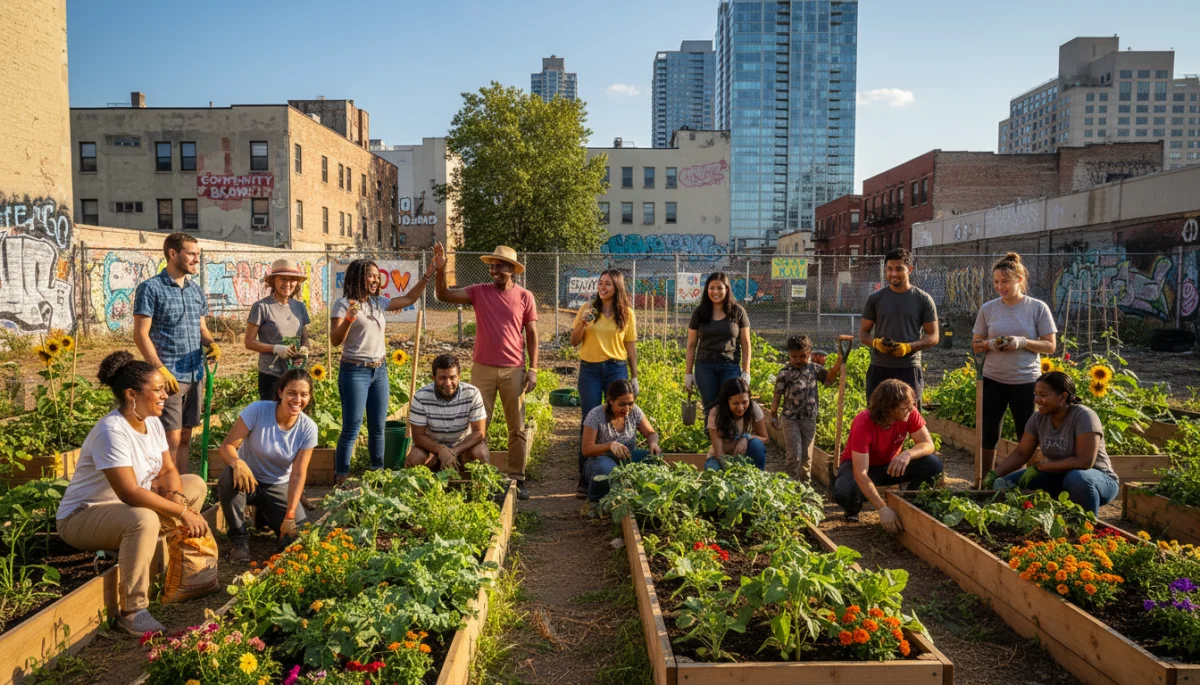
- Participatory design workshops: Giving residents direct input on space functionality and aesthetics.
- Culturally relevant programming: Hosting events and activities that celebrate local heritage and diversity.
- Accessibility audits: Ensuring spaces are usable and welcoming for individuals with disabilities.
The outcome is often a mosaic of unique public spaces, each telling a story of its neighborhood. From community gardens managed by local residents to public art installations reflecting local history, these spaces become focal points for social interaction and civic life. The emphasis is on creating places where everyone feels a sense of belonging and can actively participate.
In essence, community-led placemaking is about democratizing urban development. By placing residents at the center of the design process, cities are creating public spaces that are not only beautiful but also deeply meaningful and functional for the people who use them every day.
Digital integration and interactive public art
The digital realm is increasingly merging with physical public spaces, creating dynamic and interactive experiences for urban dwellers. By 2026, technology is being artfully integrated into public art and urban infrastructure, transforming static environments into engaging, responsive, and educational platforms.
This trend goes beyond simple public Wi-Fi. It involves sophisticated digital displays, augmented reality experiences, and interactive installations that encourage participation, disseminate information, and foster new forms of creative expression within the urban landscape.
Smart spaces: engaging the senses and minds
Interactive public art often utilizes sensors, LED screens, and projection mapping to react to environmental factors or human presence. These installations can change in real-time, offering unique visual and auditory experiences that make public spaces more captivating and memorable. Educational components, such as historical information or ecological data, are also frequently integrated.
- Responsive light installations: Artworks that change color or pattern based on sound, movement, or weather.
- Augmented reality overlays: Using mobile apps to reveal hidden digital layers on physical structures or landscapes.
- Interactive digital kiosks: Providing information, wayfinding, and opportunities for public feedback.
The goal is to create spaces that are not just visually appealing but also intellectually stimulating and socially connective. These digital integrations can transform a simple walk through a park into an immersive journey, or a public plaza into a canvas for communal digital expression. They offer new ways for citizens to engage with their city and with each other, blurring the lines between art, technology, and urban life.
Ultimately, the integration of digital technology in public spaces is creating a new paradigm for urban interaction. It’s about crafting environments that are alive, responsive, and capable of evolving, providing endless opportunities for discovery and connection in the modern city.
Flexible and multi-functional public spaces
The demands on urban public spaces are constantly changing, requiring a new level of adaptability. In 2026, a key trend is the design of flexible and multi-functional spaces that can seamlessly transition between different uses throughout the day, week, or season. This maximizes their utility and ensures they remain relevant and valuable to the community.
This approach moves away from single-purpose design, embracing versatility as a core principle. A space might serve as a farmers’ market in the morning, a performance venue in the afternoon, and an outdoor cinema by evening, all within the same footprint.
Adaptable urban living: from day to night
Designing for flexibility involves features like movable furniture, modular structures, adaptable lighting systems, and integrated utilities that support a variety of activities. Planners are thinking about how spaces can be easily reconfigured to host diverse events, from large public gatherings to intimate community meetings, without extensive logistical challenges.
- Modular seating and stages: Allowing for quick reconfiguration for different events or gatherings.
- Integrated power and water access: Supporting temporary vendors, performances, and community activities.
- Dynamic lighting systems: Adjusting ambiance and visibility for day and night use, or specific events.
The benefits of multi-functional spaces are numerous. They foster a sense of dynamism, encourage broader community engagement, and make more efficient use of valuable urban land. By designing spaces that can adapt, cities ensure that their public realms remain vibrant, economically viable, and responsive to the evolving needs of their populations.
In conclusion, the shift towards flexible and multi-functional public spaces reflects a deeper understanding of urban dynamics. It’s about creating resilient, adaptable environments that can continuously serve their communities in a multitude of ways, ensuring their vitality and relevance for years to come.
| Key Trend | Brief Description |
|---|---|
| Tactical Urbanism | Rapid, low-cost temporary interventions to test urban space improvements. |
| Green Infrastructure | Integrating natural systems for sustainability, biodiversity, and climate resilience. |
| Community-led Placemaking | Empowering residents in design and management for inclusive, locally-reflective spaces. |
| Flexible Spaces | Designing adaptable public areas for multiple uses throughout the day/season. |
Frequently asked questions about reclaiming public spaces
Tactical urbanism involves low-cost, temporary changes to urban spaces, often to test new ideas for public use. It’s crucial because it allows cities to experiment quickly, gather community feedback, and demonstrate the potential of underutilized areas before committing to permanent, larger-scale projects.
Green infrastructure, like rain gardens and urban forests, offers numerous benefits. It helps manage stormwater, reduces urban heat island effects, improves air quality, enhances biodiversity, and provides valuable recreational and mental health spaces for residents, contributing to overall urban resilience.
Community-led placemaking means actively involving local residents in the design, planning, and management of public spaces. This ensures that the spaces truly reflect the community’s needs, culture, and identity, fostering a strong sense of ownership and inclusivity, leading to more vibrant and utilized areas.
Digital integration is transforming public spaces by adding interactive elements like responsive art installations, augmented reality experiences, and informational kiosks. These technologies make spaces more engaging, educational, and dynamic, encouraging new forms of interaction and connection among urban dwellers.
Flexible and multi-functional public spaces are crucial because they adapt to diverse community needs throughout the day or year. They maximize land use efficiency, support a variety of activities from markets to performances, and ensure that public areas remain relevant, vibrant, and valuable to a dynamic urban population.
Conclusion
The ongoing movement to reclaim public spaces in American urban culture by 2026 signifies a profound shift towards more people-centric, sustainable, and adaptive cities. From the agility of tactical urbanism to the ecological benefits of green infrastructure, and from the inclusivity of community-led placemaking to the dynamism of digital integration and flexible designs, these trends are collectively shaping urban environments into vital hubs for connection, well-being, and resilience. As cities continue to evolve, the thoughtful and deliberate reclamation of public spaces will remain central to fostering vibrant, equitable, and thriving urban communities across the nation.
