Driving USA 2026: 8 Roadside Assistance Tips for a Smooth Journey

For a smooth 2026 USA road trip, prioritize proactive vehicle checks and comprehensive roadside assistance to handle unexpected breakdowns efficiently.
Embarking on a cross-country adventure requires meticulous planning, especially when it comes to vehicle readiness. To ensure a truly memorable and stress-free experience, understanding essential roadside assistance is paramount. This guide provides crucial insights into Driving the USA in 2026: 8 Roadside Assistance Tips for a Smooth Journey.
Preparing Your Vehicle for the Long Haul
Before you even think about hitting the open road, a thorough vehicle inspection is non-negotiable. This proactive step can prevent countless headaches and ensure your journey across the USA is as smooth as possible. Neglecting basic maintenance can quickly turn an exciting trip into a frustrating ordeal, far from any immediate help.
Pre-Trip Vehicle Inspection Checklist
A comprehensive check of your vehicle’s vital systems is the first line of defense against roadside mishaps. This includes everything from tire pressure to fluid levels and brake condition. A small investment of time now can save you significant time and money later.
- Tires and Wheels: Check tire pressure, tread depth, and look for any signs of damage or uneven wear. Don’t forget the spare tire!
- Fluid Levels: Ensure engine oil, coolant, brake fluid, power steering fluid, and windshield washer fluid are all at optimal levels.
- Brakes: Have your brakes inspected for wear and tear. Squealing or grinding sounds are clear indicators of a problem.
- Battery: Test your battery’s charge and inspect terminals for corrosion. A weak battery is a common culprit for unexpected breakdowns.
Beyond the basics, consider having a professional mechanic perform a multi-point inspection. They can identify potential issues that might not be obvious to the untrained eye, giving you greater peace of mind. This step is particularly vital if your vehicle is older or has not had recent maintenance.
Understanding Your Roadside Assistance Coverage
Knowing what your roadside assistance plan covers before you need it is crucial. Policies vary widely, and being informed can prevent costly surprises. Don’t assume all services are included; read the fine print carefully.
Many drivers rely on their vehicle manufacturer’s warranty, independent providers like AAA, or even their credit card benefits for roadside assistance. Each option comes with its own set of advantages and limitations. For instance, some plans offer unlimited towing distance, while others cap it at a few miles.
Key Aspects of Roadside Assistance Plans
When evaluating your coverage, pay close attention to the specifics of what is and isn’t included. This clarity will be invaluable if you ever find yourself stranded on the side of the road.
- Towing Limits: Understand the maximum distance your vehicle can be towed without incurring extra charges.
- Battery Service: Check if jump-starts and battery replacements are covered.
- Tire Changes: Confirm if assistance for flat tires, including spare tire installation, is part of the service.
- Fuel Delivery: Inquire about emergency fuel delivery if you run out of gas in a remote area.
Furthermore, some plans offer additional perks such as lockout services, trip interruption benefits, or even concierge services. While these might seem secondary, they can significantly enhance your travel experience and provide an extra layer of security. A comprehensive understanding of your plan ensures you’re prepared for any eventuality.
Essential Emergency Kit for Your Vehicle
Even with the best preparation and roadside assistance plan, emergencies can still happen. Having a well-stocked emergency kit in your vehicle is a non-negotiable safety measure. This kit should be tailored to handle various scenarios, from minor inconveniences to more serious breakdowns.
Think beyond just a first-aid kit. Consider the diverse environments you’ll traverse across the USA, from scorching deserts to freezing mountain passes. Your kit should reflect these potential conditions, providing comfort and safety until help arrives.
What to Include in Your Emergency Kit
A comprehensive emergency kit can make a significant difference in a stressful situation. Here are some items that should always be in your vehicle.
- First-Aid Kit: For minor injuries and health emergencies.
- Jumper Cables: Essential for battery issues.
- Flashlight and Extra Batteries: For nighttime visibility and repairs.
- Basic Tool Kit: Pliers, screwdrivers, adjustable wrench for minor fixes.
- Water and Non-Perishable Snacks: Crucial for hydration and energy, especially in remote areas.
- Warm Blanket/Foil Blanket: For cold weather or shock.
- Reflective Triangles/Flares: To alert other drivers of your presence.
- Portable Phone Charger: To ensure your communication devices remain powered.
Beyond these items, a sturdy pair of work gloves, a small fire extinguisher, and a multi-tool can also prove incredibly useful. Regularly check and replenish your kit, especially before long trips, to ensure everything is in working order and readily available. Being prepared means being safe.
Leveraging Technology for Roadside Assistance
In 2026, technology plays an even more pivotal role in ensuring a smooth journey. From advanced navigation systems to real-time assistance apps, integrating these tools can significantly enhance your safety and efficiency on the road. Don’t underestimate the power of a smartphone in an emergency.
Modern vehicles often come equipped with integrated telematics systems that can automatically alert emergency services in the event of a collision. However, even older vehicles can benefit from various apps and devices that provide similar peace of mind. Familiarize yourself with these options before you depart.
Smart Tools for On-Road Support
Several technological solutions can provide invaluable support when you’re driving across the USA. Knowing how to use them effectively can be a game-changer.
- Roadside Assistance Apps: Many providers, including AAA and independent services, offer apps for requesting help, tracking service vehicles, and estimating arrival times.
- GPS with Real-Time Traffic: Advanced navigation systems can reroute you around accidents or heavy traffic, preventing delays and potential breakdowns caused by stop-and-go driving.
- Vehicle Diagnostic Tools: Some apps can connect to your car’s onboard diagnostics (OBD-II) port to read error codes, giving you insight into potential mechanical issues before they become critical.
- Satellite Communicators: For remote areas with no cell service, a satellite communicator can be a lifeline for emergency calls.
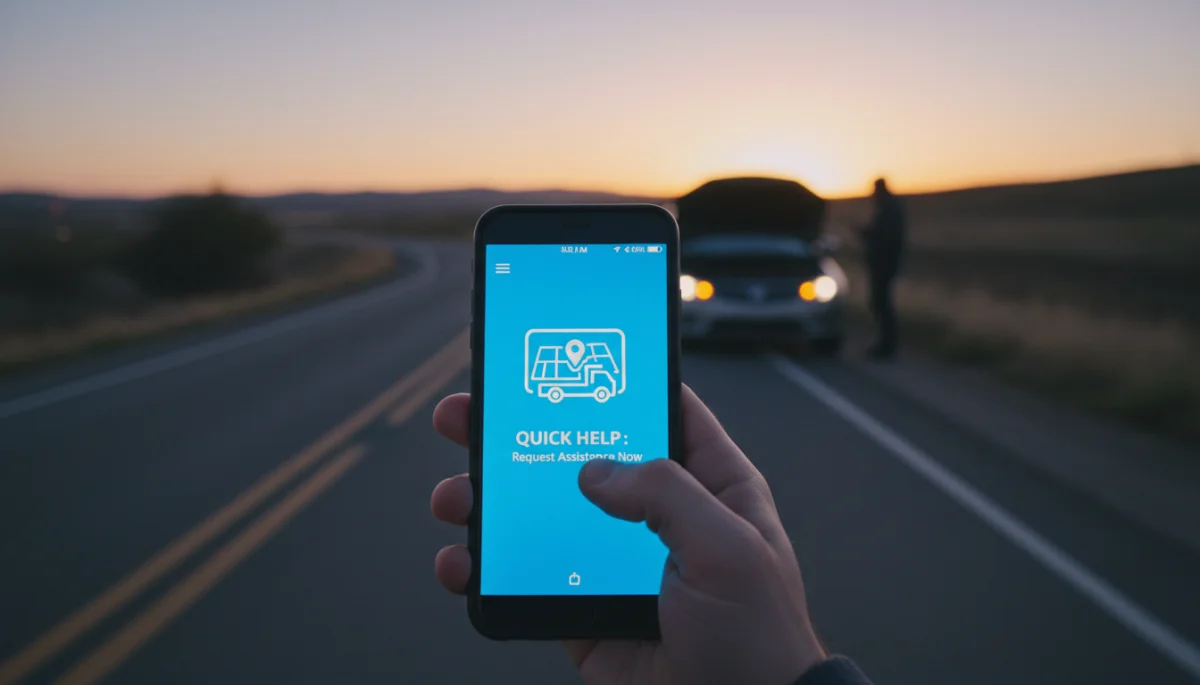
Furthermore, ensure your phone is always charged and consider carrying a portable power bank. While technology offers incredible convenience, it’s essential to have backup plans, especially in areas with limited connectivity. Staying connected is key to staying safe.
Staying Calm and Safe During a Breakdown
A vehicle breakdown can be a stressful experience, but maintaining composure is crucial for your safety and the safety of others. Panicking can lead to poor decisions, exacerbating an already difficult situation. Knowing the correct procedures to follow can make all the difference.
Your immediate actions after a breakdown are critical. Prioritize getting your vehicle to a safe location, if possible, and making yourself visible to other drivers. These initial steps are fundamental to preventing further incidents.
Immediate Actions Post-Breakdown
When your vehicle experiences an issue, a series of quick, decisive actions can protect you and set the stage for efficient assistance.
- Pull Over Safely: Move your vehicle to the shoulder of the road or a safe, well-lit area away from traffic.
- Turn on Hazard Lights: Make your vehicle visible to other drivers, especially at night or in bad weather.
- Use Reflective Triangles/Flares: Place these behind your vehicle to provide an early warning for oncoming traffic.
- Stay Inside Your Vehicle: Unless it’s unsafe to do so, remain in your car with your seatbelt on. This offers protection from passing vehicles.
- Call for Assistance: Contact your roadside assistance provider or emergency services immediately.
If you must exit your vehicle, do so carefully and remain aware of your surroundings. If possible, exit on the side away from traffic. Always be cautious, especially on busy highways, and avoid standing directly in the path of potential hazards. Your safety is the top priority.
Preventative Maintenance on the Go
While a pre-trip inspection is vital, ongoing preventative maintenance during your road trip is equally important. Long drives can put a lot of strain on your vehicle, and regular checks can catch minor issues before they escalate into major problems. Don’t wait for a warning light to appear.
Simple daily checks can go a long way in ensuring your vehicle’s continued reliability. These habits, though seemingly small, contribute significantly to a smooth and uninterrupted journey across the vast landscapes of the USA.
Daily Checks for Road Trippers
Incorporate these quick checks into your daily routine while on the road. They take minimal time but offer maximum peace of mind.
- Tire Visual Inspection: Quickly check for any obvious flats, low pressure, or damage before driving each day.
- Fluid Level Spot Check: Glance at your engine oil and coolant levels if possible, especially if you notice any leaks.
- Light Functionality: Ensure all headlights, taillights, brake lights, and turn signals are working correctly.
- Wiper Blades: Check if your wiper blades are still effective, as weather conditions can change rapidly.
Beyond these daily checks, pay attention to how your vehicle is performing. Any unusual noises, smells, or changes in handling should be investigated promptly. Addressing these small indicators early can prevent significant mechanical failures down the line. Continuous vigilance is key to a trouble-free road trip.
Navigating Remote Areas and Limited Service
Driving through the USA often means encountering vast, remote areas where cell service is spotty or nonexistent. Preparing for these stretches is crucial, as traditional roadside assistance might be delayed or unavailable. Advanced planning becomes your best friend.
Before entering remote regions, research the route thoroughly, noting potential gas stations, rest stops, and areas with known service limitations. Download offline maps and consider alternative communication methods to ensure you’re never truly isolated.
Strategies for Remote Travel
When venturing into isolated territories, adopting specific strategies can enhance your safety and preparedness for unexpected events.
- Offline Maps: Download maps of your route to your phone or GPS device, as cell service can be unreliable.
- Satellite Communicator: Invest in a satellite messenger for emergency communication when out of cell range.
- Extra Fuel and Water: Carry extra fuel cans and ample water, especially in desert or wilderness areas.
- Inform Others of Your Route: Let friends or family know your planned itinerary and expected arrival times.
- Basic Repair Knowledge: Familiarize yourself with basic car repairs like changing a tire or adding fluids.
Furthermore, avoid driving at night in extremely remote areas, as visibility is reduced and encountering wildlife is more common. If you do break down in a remote location, stay with your vehicle, as it provides shelter and is easier for rescuers to spot than a lone individual. Patience and preparedness are paramount in these situations.
Post-Breakdown Procedures and Follow-Up
Once roadside assistance has resolved your immediate issue, the journey isn’t necessarily over. There are crucial post-breakdown procedures and follow-up steps to ensure your vehicle remains reliable and to prevent recurrence of the problem. A quick fix isn’t always a long-term solution.
It’s important to understand the nature of the repair and what, if any, further actions are required. Don’t hesitate to ask questions and seek clarification from the service provider. This due diligence ensures your safety for the remainder of your trip.
Important Steps After Roadside Assistance
After the immediate crisis is averted, taking these additional steps can prevent future problems and ensure your continued safety on the road.
- Understand the Repair: Ask the technician what caused the breakdown and what was done to fix it.
- Professional Inspection: If the issue was significant, schedule a full inspection at a reputable mechanic as soon as possible, especially if you’re far from home.
- Documentation: Keep records of all services rendered, including dates, costs, and a description of the work. This can be useful for warranty claims or future repairs.
- Address Underlying Issues: If the breakdown was due to a recurring problem, commit to getting it properly diagnosed and fixed.
Ignoring underlying issues can lead to more severe and costly breakdowns later. Think of a breakdown as a warning sign; addressing it thoroughly ensures your vehicle is truly ready for the rest of your adventure. A proactive approach post-breakdown is just as important as pre-trip preparation.
| Key Point | Brief Description |
|---|---|
| Pre-Trip Inspection | Thoroughly check tires, fluids, and brakes to prevent common issues. |
| Roadside Coverage | Understand your plan’s towing limits, battery, and tire services. |
| Emergency Kit | Pack essentials like first-aid, jumper cables, water, and reflective gear. |
| Tech for Assistance | Utilize apps, GPS, and diagnostic tools for real-time support. |
Frequently Asked Questions About USA Road Trips
Flat tires and battery issues are consistently the most frequent roadside emergencies. Regular checks of tire pressure and battery health before and during your trip can significantly reduce the chances of encountering these common problems on the road.
For a USA road trip, a national roadside assistance plan (like AAA) is generally better. Local plans might not cover you far from home, leaving you without support in unfamiliar territories across different states. Ensure your chosen plan has nationwide coverage.
To maximize connectivity in remote areas, consider a satellite communicator for emergencies. Additionally, download offline maps before you travel. Some carriers offer better coverage in rural areas than others, so research network maps for your route.
If you break down in a dangerous spot, prioritize safety. If possible, move to the safest shoulder, turn on hazard lights, and stay in your vehicle with your seatbelt on. Immediately call emergency services (911) before contacting roadside assistance for specific instructions.
While not mandatory for all, carrying essential spare parts like fuses, extra coolant, and a serpentine belt (if you know how to install it) can be beneficial, especially for older vehicles or very remote trips. Always have a complete spare tire and the tools to change it.
Conclusion
Embarking on a road trip across the USA in 2026 promises unparalleled freedom and adventure. By meticulously preparing your vehicle, understanding your roadside assistance coverage, equipping an emergency kit, and leveraging modern technology, you can significantly mitigate the risks of unexpected breakdowns. Staying calm and safe during an incident, performing on-the-go maintenance, and knowing how to navigate remote areas are equally vital. Ultimately, a proactive and informed approach ensures your journey is not just smooth, but truly unforgettable, allowing you to focus on the beauty and diversity of America’s landscapes rather than unforeseen troubles.
