Main Street to Metaverse: American Values in 2026
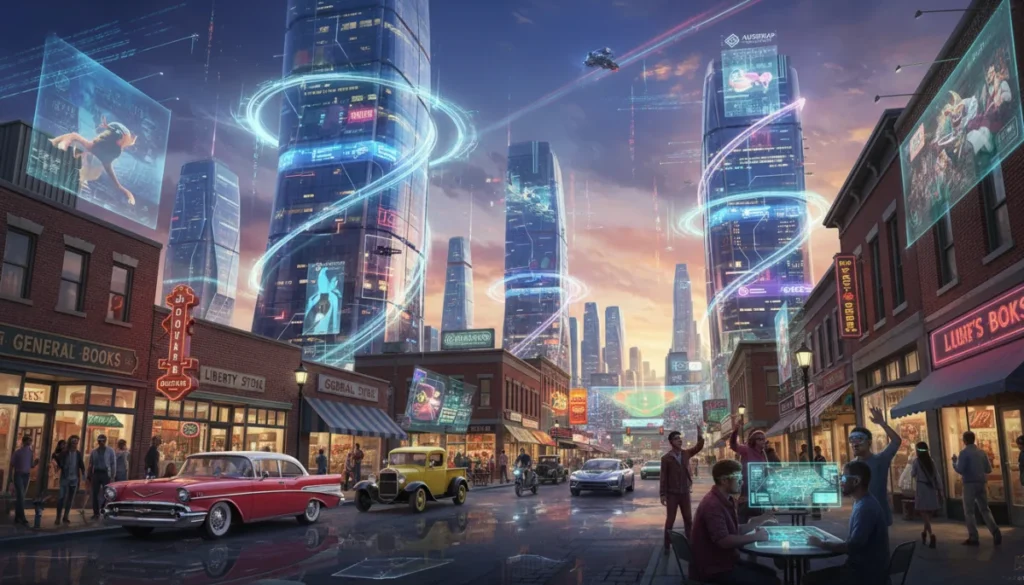
The integration of the metaverse into daily life by 2026 is significantly altering American community values, prompting a reevaluation of traditional social structures and local engagement.
The year 2026 marks a pivotal moment in American society, as the digital frontier of the metaverse begins to profoundly reshape the very fabric of our communities. The shift From Main Street to Metaverse: The 2026 Impact on American Community Values (PRACTICAL SOLUTIONS) is not merely technological; it’s a cultural metamorphosis, challenging long-held notions of belonging, interaction, and shared purpose. This article delves into how these virtual worlds are influencing everything from local economies to civic participation, offering practical solutions for navigating this evolving landscape.
The evolving definition of ‘community’ in a hybrid world
The concept of community, once primarily tied to geographic proximity and physical gathering spaces, is undergoing a radical transformation. As the metaverse becomes more accessible and integrated into daily life, people are increasingly forming bonds and participating in groups that transcend physical boundaries. This expansion of community presents both exciting opportunities and significant challenges for traditional American values.
Local communities, often centered around physical Main Streets, schools, and civic organizations, are finding themselves in competition with, or sometimes complementing, vibrant online counterparts. The shift requires a nuanced understanding of how to foster connection in environments that are simultaneously physical and virtual.
Bridging the physical-digital divide
One of the most pressing issues is ensuring that the benefits of digital connectivity do not inadvertently isolate those who prefer or rely on physical interaction. Communities are exploring ways to create hybrid spaces and events that cater to both audiences, ensuring inclusivity.
- Implementing public Wi-Fi and digital literacy programs to bridge technological gaps.
- Hosting simultaneous in-person and metaverse events for town halls and local festivals.
- Developing digital twins of Main Street businesses to offer virtual shopping experiences.
The challenge lies in maintaining the authenticity and depth of connection that characterize traditional communities while embracing the expansive reach and diverse opportunities offered by the metaverse. Thoughtful integration, rather than outright replacement, is proving to be the most effective path forward.
Economic shifts: local businesses in the virtual marketplace
The economic landscape of American communities is experiencing a seismic shift as local businesses grapple with the rise of the metaverse. Traditional Main Street establishments, from mom-and-pop shops to local diners, are finding new avenues for growth and, in some cases, facing unprecedented competition from virtual storefronts and global digital markets. This necessitates innovative strategies for survival and prosperity.
The metaverse offers a global audience and new revenue streams, but it also demands an investment in digital infrastructure and marketing that many small businesses are not yet equipped to handle. Understanding these dynamics is crucial for economic development in 2026 and beyond.
Empowering Main Street in the metaverse
Local governments and community organizations are stepping up to support businesses in this transition. Initiatives focus on education, resource sharing, and creating accessible pathways into the virtual economy.
- Providing grants for small businesses to develop virtual storefronts or augmented reality experiences.
- Hosting workshops on metaverse marketing and digital payment systems.
- Creating local metaverse districts that mirror physical Main Streets, fostering virtual tourism.
The goal is not to abandon physical commerce but to augment it, allowing local businesses to expand their reach and offer unique experiences that blend the charm of Main Street with the innovation of the metaverse. This hybrid approach can revitalize local economies, bringing new customers and opportunities.
Civic engagement and governance in the age of virtual participation
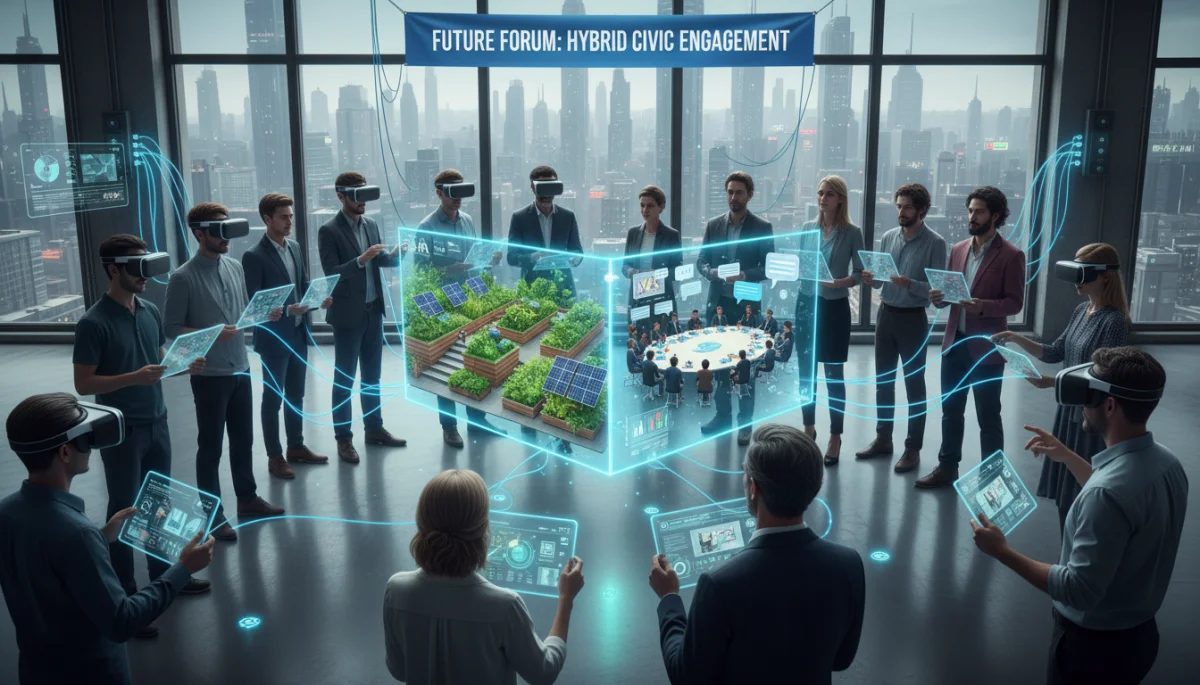
The mechanisms of civic engagement and local governance are undergoing a significant evolution due to the metaverse. Traditional town hall meetings, community boards, and volunteer initiatives are being reimagined to include virtual components, allowing for broader participation but also introducing new complexities in representation and decision-making. The impact on American community values around civic duty and collective action is profound.
While virtual platforms can democratize access, they also raise questions about digital divides, the authenticity of online discourse, and the potential for echo chambers. Crafting effective strategies for inclusive virtual governance is paramount.
Designing inclusive virtual civic spaces
Communities are experimenting with various models to ensure that virtual participation enhances, rather than detracts from, robust civic life. This includes developing secure and accessible platforms for deliberation and voting.
- Implementing secure, blockchain-based voting systems for local elections and referendums.
- Creating immersive metaverse environments for public hearings and community planning sessions.
- Establishing digital ombudsmen to mediate online community discussions and ensure respectful discourse.
The vision is to create a civic landscape where every voice can be heard, regardless of physical location or mobility. This requires careful consideration of technological access, digital literacy, and the design of virtual spaces that foster genuine dialogue and collective problem-solving, reinforcing core American community values.
Education and skill-building for the metaverse generation
The integration of the metaverse into society by 2026 necessitates a fundamental rethinking of educational priorities and skill development. Schools and community learning centers are tasked with preparing a generation that will live and work in increasingly hybrid realities. This impacts everything from curriculum design to teaching methodologies, influencing the long-term trajectory of American community values related to knowledge and progress.
Beyond technical skills, there’s a growing need for critical thinking, digital citizenship, and ethical considerations within virtual environments. Education must evolve to empower individuals to navigate these new frontiers responsibly and effectively.
Curriculum for a connected future
Innovative educational programs are emerging to equip students and adults with the competencies required for the metaverse era. These initiatives often blend traditional learning with experiential virtual opportunities.
- Introducing virtual reality (VR) and augmented reality (AR) tools into classrooms for immersive learning.
- Developing coding bootcamps and digital design courses focused on metaverse content creation.
- Teaching digital ethics and online safety protocols from an early age.
The goal is to cultivate a population that is not only technologically proficient but also critically aware of the social and ethical implications of virtual existence. This prepares individuals to be active, informed participants in both their physical and digital communities, upholding vital American community values.
The impact on social connection and mental well-being
As virtual interactions become more prevalent, the impact on social connection and mental well-being within American communities is a growing concern. While the metaverse offers new avenues for connection, it also presents challenges related to digital addiction, social isolation, and the blurring lines between online and offline identities. Addressing these issues is crucial for maintaining healthy American community values centered on human connection.
Striking a balance between engaging in virtual worlds and fostering meaningful in-person relationships is a key challenge. Communities are exploring strategies to promote digital wellness and ensure that technology serves to enhance, rather than diminish, human flourishing.
Fostering healthy digital habits
Community health organizations and schools are implementing programs designed to promote responsible technology use and support mental well-being in the metaverse age. These initiatives focus on education, support, and creating opportunities for balanced engagement.
- Organizing digital detox challenges and promoting outdoor activities.
- Offering counseling services specializing in digital well-being and online identity issues.
- Encouraging the creation of virtual spaces that prioritize positive and supportive interactions.
The emphasis is on empowering individuals to make conscious choices about their digital engagement, ensuring that the metaverse enriches their lives without compromising their mental health or their capacity for genuine human connection. This proactive approach helps preserve core American community values.
Preserving cultural heritage and fostering shared identity
The metaverse presents both a challenge and an opportunity for preserving cultural heritage and fostering a shared American identity. While there’s a risk of traditional narratives being diluted in vast virtual spaces, there’s also an unprecedented chance to digitize, share, and experience cultural artifacts and historical sites in new, immersive ways. This dynamic influences how American community values are transmitted and understood by future generations.
Ensuring that diverse cultural narratives are represented and accessible within the metaverse is vital for maintaining a rich and inclusive national identity. This requires deliberate effort and collaborative initiatives.
Digitalizing history and celebrating diversity
Museums, historical societies, and cultural organizations are leveraging metaverse technologies to create engaging and accessible experiences that celebrate American heritage and foster a sense of shared belonging.
- Creating virtual museums and historical reenactments accessible from anywhere in the world.
- Developing immersive tours of national parks and landmarks.
- Collaborating with diverse community groups to build virtual representations of their cultural traditions.
By embracing the metaverse as a platform for cultural preservation and education, communities can ensure that their unique stories and shared values continue to resonate with a global audience, fostering a deeper appreciation for the multifaceted tapestry of American identity. This strengthens the very foundation of American community values.
| Key Impact Area | Practical Solution |
|---|---|
| Community Definition | Implement hybrid physical-virtual events and spaces. |
| Local Economy | Support small businesses with metaverse integration grants. |
| Civic Engagement | Develop secure virtual platforms for public participation. |
| Social Well-being | Promote digital wellness and balanced online-offline interaction. |
Frequently asked questions about the metaverse and American community values
Local community events will likely evolve into hybrid experiences by 2026, offering both in-person and virtual attendance options. This allows broader participation for those who cannot physically attend, fostering inclusivity and expanding reach beyond geographical limits. Communities can host virtual parades, concerts, and town halls, engaging a larger audience.
Small businesses can leverage the metaverse to create virtual storefronts, offer immersive product experiences, and reach a global customer base. They can also sell digital goods, host virtual events, and collaborate with other businesses in the metaverse, opening up new revenue streams and marketing avenues previously unavailable to Main Street shops.
Ensuring equitable access involves investing in public digital infrastructure like widespread high-speed internet and offering digital literacy programs. Communities can also provide subsidized VR equipment or public access points, ensuring that socioeconomic status does not become a barrier to participating in virtual civic life, education, or commerce.
While the metaverse offers new ways to connect, there’s a risk of increased social isolation if not managed thoughtfully. Practical solutions include promoting digital wellness, encouraging balanced online-offline interactions, and designing virtual spaces that foster meaningful, supportive relationships. The goal is to augment, not replace, physical human connection.
American cultural heritage can be preserved by creating virtual museums, historical reenactments, and digital archives of landmarks and traditions. This allows for immersive educational experiences and global accessibility, ensuring that diverse narratives are celebrated and passed down through generations in engaging new formats, strengthening collective identity.
Conclusion
The journey from Main Street to Metaverse by 2026 is undoubtedly complex, presenting both significant challenges and unparalleled opportunities for American community values. As virtual and physical realities intertwine, the core tenets of belonging, economic vitality, civic participation, and social well-being are being redefined. By actively implementing practical solutions—from fostering hybrid community models and supporting local businesses in digital expansion to ensuring equitable access and promoting digital wellness—communities can navigate this transition successfully. The future demands a proactive and thoughtful approach, ensuring that technology serves to enhance, rather than diminish, the rich tapestry of American community life, preserving our shared heritage while embracing innovative possibilities for connection and growth.
