American Consumer Culture: 3 Key Shifts for 2026 Analysis
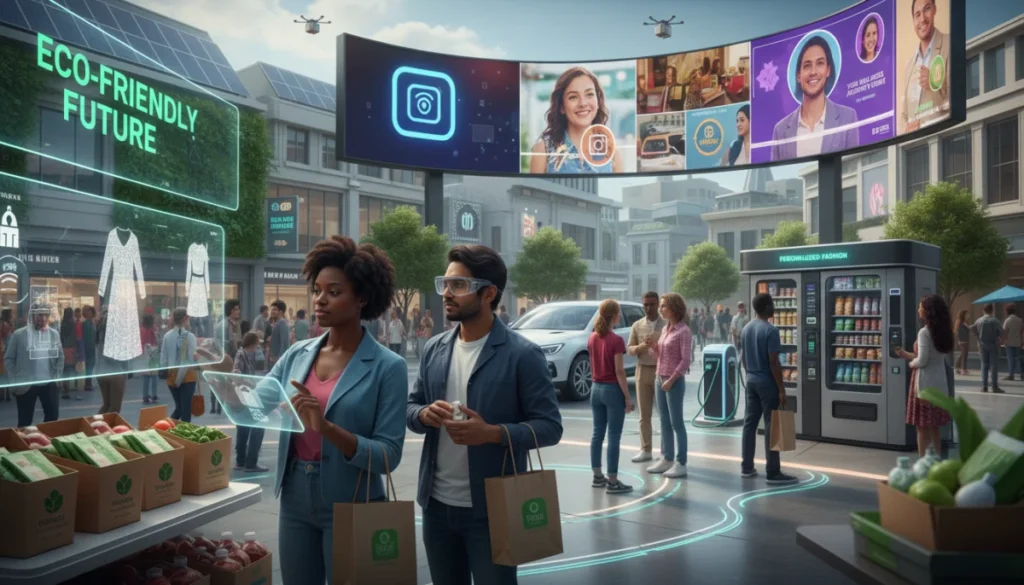
The evolution of American consumer culture is profoundly shaped by three significant shifts for 2026: the rise of conscious consumption, pervasive digital integration, and an increasing demand for hyper-personalized experiences.
Understanding the dynamic landscape of American consumer behavior is crucial for businesses and cultural observers alike. The year 2026 promises to solidify profound transformations, driven by technological advancements, evolving societal values, and a heightened global awareness. This article delves into the core of American consumer shifts, examining three pivotal changes that are redefining how Americans interact with products, services, and brands.
The rise of conscious consumption and ethical purchasing
The American consumer is no longer solely driven by price or convenience. A significant shift towards conscious consumption is reshaping purchasing decisions, with ethics, environmental impact, and social responsibility playing increasingly vital roles. This evolution reflects a deeper societal introspection, spurred by global challenges and a desire for more meaningful brand engagement.
Consumers are actively seeking transparency from brands, demanding to know the origins of products, the labor practices involved, and the environmental footprint left behind. This isn’t merely a niche trend; it’s becoming a mainstream expectation, influencing everything from grocery shopping to luxury purchases. Brands that fail to adapt risk alienating a growing segment of the market.
Ethical sourcing and supply chain transparency
For many consumers, the journey of a product from raw material to retail shelf is as important as the product itself. Ethical sourcing ensures that materials are obtained without exploiting workers or harming the environment. Supply chain transparency provides consumers with the information they need to make informed decisions.
- Demand for fair trade products continues to grow.
- Interest in sustainable and regenerative agriculture practices is increasing.
- Brands adopting blockchain for supply chain verification gain trust.
This push for ethical practices extends beyond just the product. It encompasses a brand’s overall corporate social responsibility, including its diversity and inclusion policies, community involvement, and philanthropic efforts. Consumers are voting with their wallets, supporting companies that align with their values.
Environmental impact and sustainable choices
Climate change and environmental degradation are pressing concerns for many Americans, directly influencing their consumption habits. There is a palpable desire to reduce personal environmental impact, leading to a preference for sustainable alternatives across various sectors. This includes a move away from single-use plastics and towards reusable, recyclable, or compostable options.
The shift isn’t just about avoiding harm; it’s about actively contributing to a better future. Brands that innovate in sustainable packaging, offer repair services, or promote circular economy models are gaining significant traction. Consumers are increasingly willing to pay a premium for products that demonstrate a genuine commitment to environmental stewardship.
In summary, conscious consumption is transforming the American marketplace, compelling brands to prioritize ethics, transparency, and sustainability. This shift is driven by a more informed and values-driven consumer base, eager to align their purchases with their personal beliefs and contribute positively to society and the environment.
Pervasive digital integration and the omnichannel experience
The digital realm is no longer a separate channel but an intrinsic part of the consumer journey. From initial product discovery to post-purchase support, digital touchpoints are seamlessly integrated into every stage. This pervasive digital integration is creating an expectation for a fluid, consistent, and highly personalized omnichannel experience, blurring the lines between online and offline commerce.
Consumers expect to move effortlessly between physical stores, e-commerce websites, social media platforms, and mobile apps, with their preferences and purchase history recognized at every interaction. This demands a holistic approach from brands, where data synchronization and a unified customer view are paramount.
The rise of social commerce and live shopping
Social media platforms have evolved beyond mere communication tools to become powerful commercial engines. Social commerce, where purchases are made directly within social platforms, is booming, driven by influencers, peer recommendations, and interactive content. Live shopping events, in particular, are gaining traction, offering an engaging and immediate purchasing experience.
- Instagram, TikTok, and Facebook are key players in social commerce.
- Influencer marketing is increasingly tied to direct sales conversions.
- Interactive features like polls and Q&A during live streams drive engagement.
This trend highlights the importance of authenticity and community in driving sales. Consumers trust recommendations from individuals they follow and engage with, making social platforms fertile ground for brand building and direct sales.
AI and machine learning in personalizing journeys
Artificial intelligence (AI) and machine learning (ML) are at the forefront of delivering truly personalized omnichannel experiences. These technologies analyze vast amounts of consumer data to predict preferences, recommend products, and tailor marketing messages. From personalized website layouts to custom email campaigns, AI is making every interaction feel unique.
Beyond recommendations, AI-powered chatbots and virtual assistants are enhancing customer service, providing instant support and resolving queries efficiently. This not only improves customer satisfaction but also frees up human agents for more complex issues, creating a more streamlined and responsive customer experience.
In essence, pervasive digital integration means that every brand must operate as a tech company, leveraging digital tools and data to create a seamless, personalized, and engaging journey for the modern American consumer. The omnichannel approach is no longer a competitive advantage but a fundamental requirement.
The demand for hyper-personalized experiences
Beyond mere customization, American consumers are increasingly demanding hyper-personalized experiences that anticipate their needs and reflect their individual identities. This goes beyond simply addressing them by name; it involves tailoring products, services, and communication based on deep insights into their behaviors, preferences, and even their moods. Brands that can deliver this level of individual recognition are building strong, lasting relationships with their customers.
The shift towards hyper-personalization is fueled by the vast amounts of data available and the technological capabilities to process it. Consumers are often willing to share their data in exchange for more relevant and valuable interactions, creating a symbiotic relationship between data privacy and personalized service.
Customization at scale: products and services
The concept of ‘one size fits all’ is rapidly becoming obsolete. Consumers desire products and services that can be customized to their exact specifications. This ranges from configurable product options in e-commerce to highly tailored service plans and subscription boxes that adapt to changing needs.
- Custom-made apparel and accessories are gaining popularity.
- Subscription services offer personalized curation based on user preferences.
- Modular product designs allow for individual adaptation.
This trend empowers consumers to feel a greater sense of ownership and connection with their purchases. It transforms them from passive recipients into active co-creators, fostering brand loyalty and advocacy.
Experiential retail and immersive brand interactions
In an increasingly digital world, physical retail spaces are evolving to offer more than just transactions. They are becoming destinations for immersive brand experiences, combining entertainment, education, and social interaction. These experiential retail environments provide a unique opportunity for brands to connect with consumers on an emotional level, reinforcing their identity and values.
Pop-up shops, interactive installations, and flagship stores designed for discovery rather than just display are examples of this trend. They offer a chance for consumers to engage with products in a tactile and memorable way, providing a compelling reason to visit a physical location even when online shopping is readily available.
Ultimately, hyper-personalization is about creating a unique and memorable journey for each consumer. By leveraging data and innovative experiences, brands can foster deeper connections, anticipate needs, and deliver exceptional value that resonates on an individual level, moving beyond generic interactions to truly bespoke engagements.
The evolving role of community and influence
The traditional top-down model of marketing is continually being challenged by the power of community and peer influence. American consumers are increasingly looking to their social circles, online communities, and trusted influencers for recommendations and validation before making purchasing decisions. This shift underscores the importance of authentic connections and shared values in shaping consumer behavior.
Brands are learning that fostering a strong community around their products or services can be far more effective than traditional advertising. This involves actively engaging with customers, listening to their feedback, and empowering them to become advocates. The power of word-of-mouth, amplified by digital platforms, remains an unparalleled force.
Peer recommendations and user-generated content
In an age of information overload, consumers often turn to trusted sources for guidance. Peer recommendations, whether from friends, family, or online reviews, hold significant sway. User-generated content (UGC), such as customer photos, videos, and testimonials, is seen as more authentic and trustworthy than brand-produced advertising.
- Online review platforms (e.g., Yelp, Amazon) are critical decision-making tools.
- Social media shares and mentions act as powerful endorsements.
- Contests and campaigns encouraging UGC boost brand visibility and trust.
Brands that successfully encourage and integrate UGC into their marketing strategies are tapping into a powerful form of social proof, building credibility and fostering a sense of shared experience among their customer base.
The impact of micro-influencers and niche communities
While mega-influencers still have their place, there’s a growing recognition of the impact of micro-influencers and niche communities. These individuals and groups, though smaller in reach, often possess higher engagement rates and deeper trust with their followers due to their specialized knowledge and authentic connections. Their recommendations often resonate more powerfully within their specific communities.
Brands are strategically partnering with micro-influencers to reach highly targeted audiences in a more credible and cost-effective manner. This approach allows for more tailored messaging and a genuine connection with potential customers who share similar interests and values.
In conclusion, community and influence have become central pillars in American consumer culture. Brands that prioritize building genuine connections, empowering their customers, and leveraging the power of peer recommendations will be best positioned to thrive in an increasingly interconnected and socially driven marketplace.
The subscription economy and convenience culture
The American consumer’s pursuit of convenience continues unabated, giving rise to the booming subscription economy. From streaming services and meal kits to software and everyday essentials, consumers are increasingly opting for recurring delivery and access models that simplify their lives and offer predictable value. This shift is driven by a desire to save time, reduce decision fatigue, and enjoy a seamless, hassle-free experience.
The subscription model thrives on fostering loyalty through consistent value and anticipating customer needs. It transforms transactional relationships into ongoing partnerships, where brands become integral to consumers’ daily routines. The challenge for businesses lies in delivering sustained value to prevent churn and ensure long-term engagement.
Effortless access and curated selections
A key appeal of the subscription economy is the promise of effortless access to goods and services. Consumers appreciate the convenience of having products delivered automatically or gaining unlimited access to digital content without the need for repeated individual purchases. This often comes with the added benefit of curated selections, where experts or algorithms personalize offerings.
- Streaming services offer vast libraries of entertainment on demand.
- Meal kit subscriptions simplify dinner planning and grocery shopping.
- Software-as-a-Service (SaaS) provides continuous updates and support.
This focus on ease and curation caters directly to a busy modern lifestyle, where time is a precious commodity. Brands that can simplify choices and automate delivery create significant value for their customers.
Personalized convenience and flexibility
While convenience is paramount, consumers also demand personalization and flexibility within their subscription models. The ability to pause, modify, or cancel subscriptions easily is crucial, as is the option to tailor frequency or product selection. Brands are increasingly offering tiered subscription options and customizable plans to meet diverse needs.
The goal is to provide a service that feels indispensable yet adaptable. Companies that excel in this area use data to understand usage patterns and preferences, proactively offering adjustments or new features that enhance the subscriber experience. This balance between automation and individual control is vital for success in the subscription economy.
In summary, the subscription economy is a testament to the American consumer’s enduring desire for convenience, predictability, and personalized solutions. Brands that master the art of delivering continuous value with flexibility will capture a significant share of this evolving market, embedding themselves deeply into the fabric of daily life.
The experience economy and value beyond ownership
The American consumer is increasingly valuing experiences over mere possessions. While material goods still hold importance, there’s a growing inclination to invest in moments, adventures, and personal growth. This shift towards an experience economy means that brands must offer more than just a product; they must provide memorable interactions, opportunities for learning, and pathways to self-enrichment. The focus moves from what one owns to what one does and how it makes one feel.
This trend is particularly prevalent among younger generations, who often prioritize travel, unique events, and skill development. Brands that can integrate their offerings into these experiential pursuits are finding new ways to connect with consumers and build lasting loyalty.
Memorable moments and emotional connections
Consumers are seeking out experiences that create lasting memories and evoke strong emotions. This can range from immersive entertainment venues and adventure tourism to masterclasses and workshops. Brands are leveraging this by creating experiential marketing campaigns, pop-up events, and collaborations that offer unique opportunities for engagement.
- Travel and tourism sectors are booming with personalized itineraries.
- Concerts, festivals, and sporting events remain highly popular.
- Educational workshops and skill-building courses attract significant interest.
The goal is to tap into the human desire for connection and meaning, positioning products or services as facilitators of richer, more fulfilling lives. This approach builds a deeper, more emotional bond than purely transactional relationships.
Shared experiences and community building
Beyond individual experiences, there’s a strong emphasis on shared experiences that foster a sense of community. Group activities, collaborative projects, and social gatherings centered around a common interest are highly valued. Brands can capitalize on this by creating platforms or events that bring like-minded individuals together.
Fitness classes, cooking schools, gaming communities, and fan conventions are prime examples of shared experiences that build strong attachments. When brands facilitate these connections, they become associated with positive social interactions and a sense of belonging, further enhancing their appeal. The value derived from these shared moments often far outweighs the cost of entry, creating loyal communities.
In conclusion, the experience economy signifies a fundamental reorientation of value for American consumers. Brands that can pivot from selling goods to curating memorable moments, fostering personal growth, and building communities around shared passions will unlock significant opportunities in the evolving marketplace.
Future outlook: Navigating the new consumer landscape
As we look towards 2026 and beyond, the American consumer landscape will continue its rapid evolution, shaped by these foundational shifts. Brands and businesses must remain agile, innovative, and deeply attuned to the changing values and expectations of their target audiences. The era of passive consumption is over; consumers are now active participants, collaborators, and advocates.
Success will hinge on a brand’s ability to seamlessly integrate ethical practices, digital prowess, hyper-personalization, community building, and experiential offerings. Those who view these trends not as isolated challenges but as interconnected opportunities will be best positioned to thrive. The future of American consumer culture is bright for those willing to adapt and innovate.
Adaptability and innovation as key drivers
The pace of change in consumer behavior demands constant adaptability and a commitment to innovation. Brands must be willing to experiment with new technologies, business models, and marketing strategies. This includes embracing emerging platforms, leveraging data analytics for deeper insights, and continuously refining the customer experience.
- Investing in R&D for sustainable products and processes.
- Exploring augmented reality (AR) and virtual reality (VR) for immersive shopping.
- Developing flexible business models to meet diverse consumer needs.
Innovation is not just about new products; it’s about new ways of thinking and operating. Companies that foster a culture of continuous learning and experimentation will be better equipped to anticipate and respond to future consumer demands.
Building trust and authentic connections
In a world saturated with information and choices, trust remains the ultimate currency. Consumers are increasingly discerning, seeking out brands that are authentic, transparent, and genuinely care about their customers and the wider world. Building and maintaining this trust requires consistent effort, ethical conduct, and clear communication.
Authenticity means being true to brand values, even when it’s challenging. It involves engaging in genuine dialogue with customers, listening to feedback, and demonstrating a commitment to positive impact. Brands that prioritize building authentic connections will cultivate a loyal customer base that not only purchases but also advocates for their mission.
In conclusion, navigating the new consumer landscape requires a forward-thinking approach that embraces change as an opportunity. By focusing on adaptability, innovation, and the cultivation of authentic trust, businesses can not only survive but also flourish in the dynamic and exciting future of American consumer culture.
| Key Shift | Brief Description |
|---|---|
| Conscious Consumption | Consumers prioritize ethics, sustainability, and transparency in purchasing decisions. |
| Digital Integration | Seamless omnichannel experiences, social commerce, and AI-driven personalization are expected. |
| Hyper-Personalization | Demand for tailored products, services, and immersive brand interactions based on individual needs. |
| Experience Economy | Consumers value memorable moments and shared experiences over material possessions. |
Frequently asked questions about American consumer shifts
The shift is primarily driven by heightened awareness of environmental issues, social injustices, and ethical labor practices. Consumers are increasingly seeking transparency and aligning their purchasing decisions with their personal values, demanding more from brands than just product utility.
Digital integration transforms traditional retail by creating an omnichannel expectation. Physical stores become experiential hubs, complementing online sales. Data from digital interactions informs in-store experiences, blurring the lines and demanding a cohesive brand presence across all touchpoints.
Hyper-personalization is crucial because consumers expect brands to anticipate and cater to their unique needs and preferences. Generic marketing is losing effectiveness. Tailored products, services, and communications build stronger loyalty and enhance the customer experience, making interactions feel more relevant and valuable.
Communities play a pivotal role, as consumers increasingly trust peer recommendations and user-generated content over traditional advertising. Brands that foster strong online and offline communities, empower advocates, and engage authentically gain significant credibility and influence purchasing decisions through shared experiences and trusted endorsements.
Businesses can adapt by shifting focus from selling products to offering memorable moments and opportunities for personal growth. This involves creating immersive retail environments, facilitating unique events, and designing services that provide value beyond mere ownership, fostering emotional connections and shared experiences.
Conclusion
The evolution of American consumer culture towards 2026 is characterized by a profound redefinition of value. From a heightened ethical consciousness and the seamless integration of digital experiences to a deep yearning for personalization and a preference for experiences over possessions, consumers are demanding more from the brands they engage with. Businesses that proactively embrace these shifts, demonstrating genuine commitment to sustainability, leveraging technology for bespoke interactions, and fostering authentic community, will not only meet but exceed the expectations of the modern American consumer, securing their relevance in an ever-changing market.
