EV Investment: Reshaping 2026 US Infrastructure
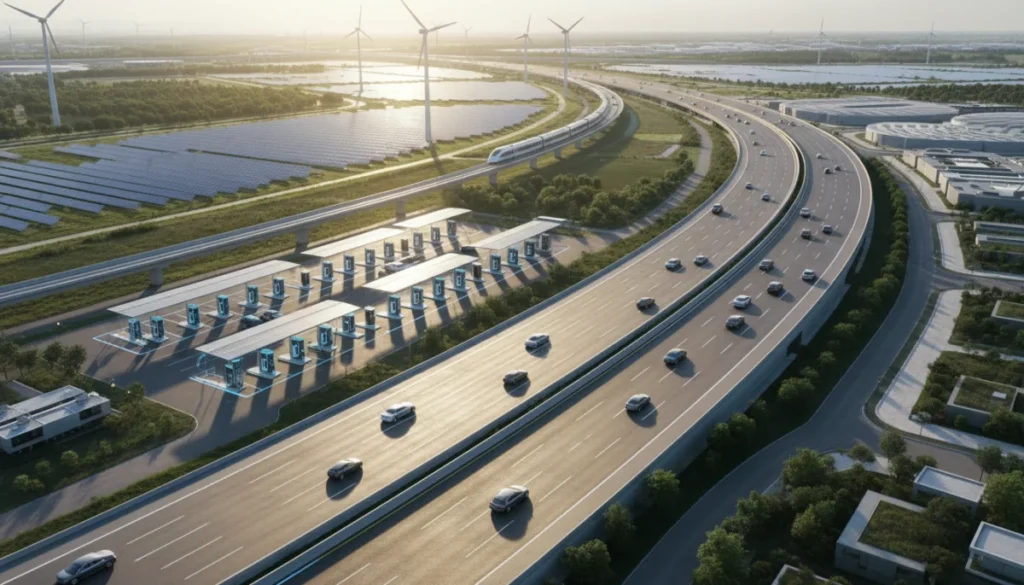
The $100 billion federal investment in electric vehicles is poised to fundamentally reshape US transportation infrastructure by 2026, accelerating a nationwide shift towards sustainable mobility.
The landscape of American transportation is on the cusp of a monumental transformation, driven by an unprecedented federal commitment. The $100 billion federal investment in EVs is not merely an allocation of funds; it is a strategic blueprint designed to fundamentally reshape the nation’s infrastructure by 2026, propelling us into an era of sustainable and electrified mobility. This isn’t just about cars; it’s about reimagining how we move, how we power our journeys, and how we build a more resilient future.
The Dawn of a New Era: Understanding the Federal Mandate
The federal government’s substantial investment in electric vehicles marks a pivotal moment in American history, signaling a resolute commitment to decarbonizing the transportation sector. This initiative extends far beyond simply putting more EVs on the road; it encompasses a holistic strategy for infrastructure development, manufacturing growth, and technological innovation. The goal is to establish a robust ecosystem that supports widespread EV adoption.
This mandate is a response to both environmental imperatives and economic opportunities. By fostering a domestic EV industry and building out necessary infrastructure, the United States aims to reduce its reliance on fossil fuels, mitigate climate change impacts, and create millions of jobs. The sheer scale of the investment underscores the urgency and ambition behind this national endeavor.
Driving Economic Growth and Job Creation
The economic ramifications of this investment are profound. Beyond the direct jobs in manufacturing electric vehicles, there’s a ripple effect across various sectors, from construction to technology. This includes:
- Manufacturing Expansion: New gigafactories and assembly plants are emerging, bringing high-skill jobs to communities.
- Infrastructure Development: Construction of charging stations, grid upgrades, and related services will create significant employment opportunities.
- Research and Development: Increased funding for battery technology, autonomous driving, and smart grid solutions will spur innovation and attract top talent.
- Supply Chain Strengthening: Efforts to localize the EV supply chain, from raw materials to components, will bolster domestic industries.
The investment is strategically designed to ensure that the economic benefits are broadly distributed, creating sustainable growth trajectories for decades to come. This forward-thinking approach positions the U.S. as a leader in the global clean energy transition.
In essence, the federal mandate is a comprehensive package that addresses not just the supply and demand for EVs, but also the foundational elements required for a successful transition. It’s about building a future where electric transportation is the norm, supported by a resilient and advanced infrastructure.
Recharging America: The Expansion of Charging Infrastructure
A critical component of the federal investment is the dramatic expansion of electric vehicle charging infrastructure. The goal is to alleviate range anxiety and make EV ownership practical for all Americans, regardless of their location. This involves a multi-pronged approach to deploy various types of chargers across urban, suburban, and rural areas.
The vision for 2026 includes a dense network of charging stations that are reliable, accessible, and user-friendly. This will require significant coordination between federal, state, and local governments, as well as private sector partners, to identify strategic locations and deploy the right technology. The focus is not just on quantity, but on ensuring quality and interoperability.
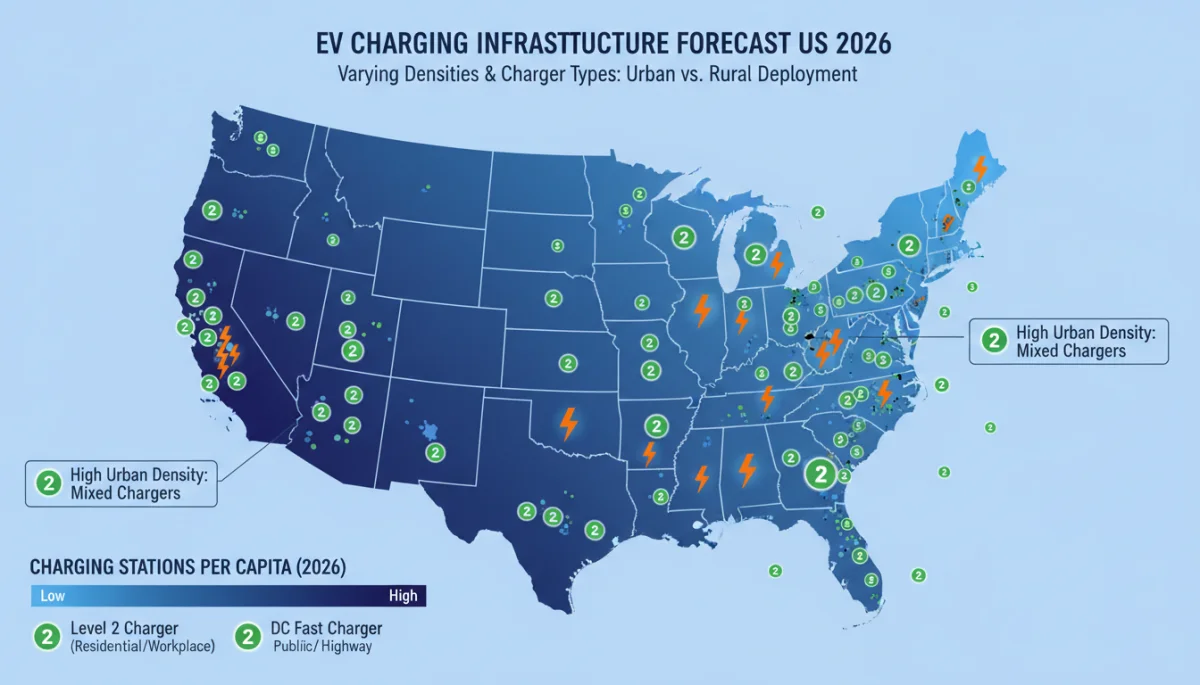
The initiative aims to standardize charging protocols and payment systems, making the experience seamless for drivers. This includes investments in:
- DC Fast Chargers: Strategically placed along major highways and corridors to facilitate long-distance travel.
- Level 2 Chargers: Deployed in workplaces, multi-unit dwellings, and public spaces for everyday charging needs.
- Rural Charging Solutions: Innovative approaches to bring charging infrastructure to underserved communities, ensuring equitable access.
The expansion is not without its challenges, including grid capacity concerns and the need for robust cybersecurity measures. However, the federal investment is specifically earmarked to address these issues, funding upgrades to the electrical grid and promoting smart charging technologies. The ultimate objective is a charging network that is as ubiquitous and reliable as today’s gasoline stations, making electric vehicles a viable option for every household.
Strengthening the Grid: Powering the Electric Future
The widespread adoption of electric vehicles inherently places new demands on the existing electrical grid. The $100 billion federal investment recognizes this challenge and allocates significant resources towards modernizing and strengthening the nation’s power infrastructure. This is crucial to ensure that the grid can reliably support millions of new EVs without compromising stability or increasing energy costs.
Grid modernization efforts involve a range of initiatives, from upgrading transmission lines and substations to integrating more renewable energy sources. The goal is to create a smarter, more resilient grid that can handle increased load, optimize energy distribution, and even leverage EVs as a distributed energy resource through vehicle-to-grid (V2G) technology.
Innovations in Grid Technology
The investment will catalyze innovation in several key areas:
- Smart Grid Technologies: Implementation of advanced sensors, automation, and communication systems to manage electricity flow more efficiently.
- Energy Storage Solutions: Deployment of large-scale battery storage to balance fluctuating renewable energy generation and EV charging demands.
- Distributed Energy Resources: Integration of rooftop solar, community solar, and other localized energy production to reduce strain on the central grid.
Furthermore, there’s a strong emphasis on cybersecurity to protect critical infrastructure from potential threats. The federal investment will fund research and deployment of advanced security measures to safeguard the grid against cyberattacks. This comprehensive approach ensures that as America electrifies its transportation, its energy backbone remains robust, secure, and prepared for the future. The transformation of the grid is as fundamental to the EV revolution as the vehicles themselves, ensuring a sustainable and reliable energy supply for generations.
Manufacturing Renaissance: Domestic EV Production and Supply Chains
A significant portion of the federal investment is dedicated to fostering a robust domestic electric vehicle manufacturing ecosystem. This strategic pivot aims to reduce reliance on foreign supply chains, create high-paying American jobs, and stimulate economic growth within the United States. The vision for 2026 is a nation that not only consumes EVs but also proudly produces them, from battery components to final assembly.
This includes incentives for companies to establish new manufacturing facilities, expand existing ones, and reshore critical production processes. The focus is on building a resilient and sustainable supply chain that can meet the growing demand for electric vehicles and their components. This encompasses everything from raw material extraction and processing to battery cell production and vehicle assembly.
Key Areas of Domestic Investment
The federal funds are targeting several crucial aspects of the EV manufacturing process:
- Battery Production: Significant investments in gigafactories to produce battery cells and packs domestically, reducing reliance on overseas suppliers.
- Critical Mineral Processing: Developing US-based capabilities for processing essential minerals like lithium, cobalt, and nickel, which are vital for EV batteries.
- Component Manufacturing: Supporting the production of electric motors, power electronics, and other specialized EV components within the United States.
- Workforce Development: Funding training programs and educational initiatives to equip the American workforce with the skills needed for the burgeoning EV industry.
By strengthening domestic manufacturing, the United States is not only securing its economic future but also enhancing its national security. A localized supply chain is less vulnerable to geopolitical disruptions and ensures greater control over product quality and environmental standards. This manufacturing renaissance is a cornerstone of the federal strategy, ensuring that the benefits of the EV transition are felt across the entire American economy.
Policy and Innovation: Driving EV Adoption and Future Technologies
Beyond direct infrastructure and manufacturing investments, the federal government is leveraging policy and fostering innovation to accelerate EV adoption and explore future transportation technologies. This includes a suite of incentives, regulatory frameworks, and research grants designed to make electric vehicles more accessible, affordable, and appealing to a wider consumer base. The goal is to remove barriers to entry and create a supportive environment for technological advancements.
Policy initiatives range from consumer tax credits for EV purchases to fleet electrification mandates for government agencies. These measures are designed to stimulate demand and provide a clear signal to the market that electric vehicles are the future. Simultaneously, significant funding is being directed towards cutting-edge research and development to push the boundaries of EV performance, efficiency, and sustainability.
Advancing Future Mobility Solutions
The federal investment supports a broad spectrum of innovative projects:
- Advanced Battery Research: Exploring solid-state batteries, lithium-sulfur, and other next-generation chemistries for improved range and faster charging.
- Autonomous Vehicle Integration: Developing frameworks and technologies for safe and efficient integration of self-driving electric vehicles into the transportation system.
- Vehicle-to-Everything (V2X) Communication: Investing in technologies that allow EVs to communicate with infrastructure, other vehicles, and the grid for enhanced safety and efficiency.
- Sustainable Materials: Research into more environmentally friendly materials for EV manufacturing and recycling processes to minimize environmental impact.
These policy and innovation efforts are critical for sustaining momentum beyond 2026, ensuring that the US remains at the forefront of transportation technology. By fostering an environment of continuous improvement and strategic foresight, the federal investment is laying the groundwork for an even more advanced and sustainable transportation system in the decades to come.
Equity and Accessibility: Ensuring an Inclusive EV Transition
A fundamental pillar of the federal investment strategy is ensuring that the transition to electric vehicles is equitable and accessible for all Americans. The benefits of cleaner air, reduced fuel costs, and advanced technology should not be limited to affluent communities. The $100 billion investment explicitly prioritizes addressing historical disparities and ensuring that underserved populations are not left behind in the EV revolution.
This commitment translates into targeted funding and programs aimed at deploying charging infrastructure in low-income communities, rural areas, and tribal lands. It also involves initiatives to make electric vehicles more affordable and to provide educational resources about their benefits and maintenance. The goal is to create an inclusive transition where everyone can participate and benefit from the move to electric mobility.
Targeted Initiatives for Equity
Several key areas are being addressed to promote equity and accessibility:
- Charging in Underserved Areas: Directing funds to build public charging stations in areas that currently lack adequate infrastructure, often in environmental justice communities.
- Affordable EV Programs: Exploring incentives and financing options to lower the upfront cost of EVs for low-to-moderate income households.
- Workforce Training for Disadvantaged Communities: Providing job training and placement services in the EV manufacturing and maintenance sectors for individuals from marginalized backgrounds.
- Public Transit Electrification: Supporting the transition of public bus fleets and other shared transportation services to electric power, benefiting a broad cross-section of the population.
By embedding equity considerations into every aspect of the investment, the federal government aims to build a transportation future that is not only sustainable and efficient but also fair and inclusive. This ensures that the societal benefits of the EV transition, from cleaner air to economic opportunity, are realized by all Americans, fostering a truly transformative and just transition.
| Key Aspect | Impact by 2026 |
|---|---|
| Charging Network | Significant increase in public and private EV charging stations nationwide, reducing range anxiety. |
| Grid Modernization | Enhanced grid resilience and capacity to support increased EV load, integrating more renewables. |
| Domestic Manufacturing | Boost in US-based EV and battery production, creating jobs and strengthening supply chains. |
| Equity & Access | Targeted efforts to ensure EV benefits and infrastructure reach underserved communities. |
Frequently Asked Questions About EV Investment
The primary goal is to accelerate the transition to electric vehicles by significantly expanding charging infrastructure, modernizing the electrical grid, and boosting domestic EV manufacturing, thereby reducing emissions and fostering economic growth across the United States by 2026.
The investment is expected to dramatically increase the number of accessible and reliable EV charging stations across the nation. This includes deploying DC fast chargers on highways and Level 2 chargers in urban and rural areas, making EV ownership more convenient for all Americans.
Yes, a significant portion of the investment is allocated to modernizing and strengthening the electrical grid. This includes upgrades to transmission and distribution systems, integration of renewable energy, and smart grid technologies to ensure reliable power for millions of new electric vehicles.
The investment provides incentives for US companies to establish and expand EV and battery manufacturing facilities domestically. This aims to create high-paying jobs, strengthen the national supply chain, and reduce reliance on foreign production for critical EV components.
The federal strategy prioritizes equitable access by directing funds to deploy charging infrastructure in underserved communities, rural areas, and tribal lands. It also includes programs to make EVs more affordable and provide educational resources to ensure an inclusive transition for all Americans.
Conclusion
The $100 billion federal investment in EVs represents more than just a financial commitment; it is a profound societal shift. By 2026, this strategic allocation of resources is poised to fundamentally redefine America’s transportation infrastructure, moving us towards a future that is cleaner, more efficient, and economically robust. From a pervasive charging network and a modernized electrical grid to a revitalized domestic manufacturing sector and a commitment to equitable access, the groundwork is being laid for a lasting transformation. This bold initiative promises not only to reduce our carbon footprint but also to foster innovation, create jobs, and ensure that the benefits of the electric vehicle revolution are accessible to every community across the United States, cementing the nation’s leadership in sustainable mobility for generations to come.
