Maximizing Your US Travel Budget in 2026: Financial Strategies
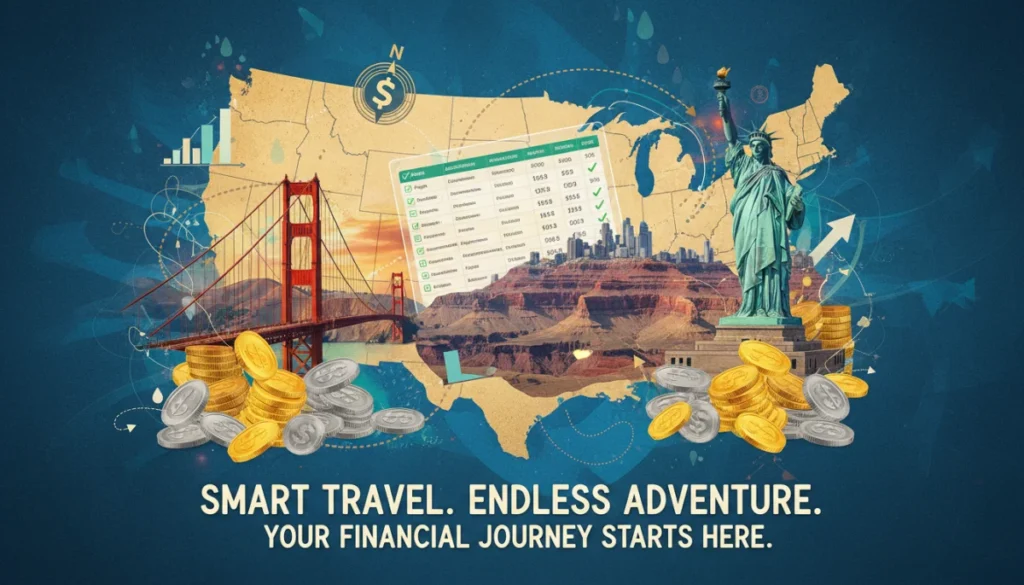
Maximizing your US travel budget in 2026 requires a proactive approach to financial planning, including leveraging early bookings, optimizing transportation, and making informed spending choices to enhance experiences while controlling costs.
Embarking on a journey across the United States offers unparalleled experiences, from the bustling streets of New York City to the serene beauty of national parks. However, exploring this vast and diverse nation can quickly become an expensive endeavor if not managed carefully. This guide focuses on maximizing your US travel budget in 2026, providing explorers with six essential financial impact strategies to ensure an unforgettable adventure without breaking the bank. Understanding how to strategically plan and spend will be key to unlocking more experiences and extending your travels.
Strategic planning and early booking for savings
Effective financial management for US travel begins long before you pack your bags. Strategic planning, particularly focusing on early booking, can yield significant savings on major travel expenses like flights and accommodations. The travel industry operates on dynamic pricing, rewarding those who plan ahead.
By securing your flights and lodging well in advance, you not only lock in potentially lower rates but also gain access to a wider selection of options, allowing you to choose deals that best fit your budget and preferences. This proactive approach minimizes last-minute price surges and availability issues, which are common closer to departure dates.
The advantage of booking in advance
- Flight savings: Airlines often release their cheapest fares months in advance. Booking 3-6 months out can save you hundreds of dollars, especially for popular routes or peak seasons.
- Accommodation deals: Hotels, vacation rentals, and even campsites offer early bird discounts or better rates when booked further out. This is particularly true for high-demand destinations or during major events.
- Car rental rates: Similar to flights, car rental prices tend to increase as demand rises. Reserving your vehicle early can prevent unexpected spikes in cost and ensure availability of your preferred car type.
Moreover, early planning allows for more time to research and compare prices across various platforms, ensuring you’re getting the best possible value. It also provides a buffer to adjust your itinerary if better deals emerge or if your plans change slightly, without incurring hefty cancellation fees.
In conclusion, prioritizing strategic planning and early booking is a cornerstone of maximizing your US travel budget. This initial step sets the financial tone for your entire trip, offering tangible savings and greater peace of mind as you prepare for your explorations.
Optimizing transportation: smart choices for getting around
Transportation is often one of the largest expenditures in any travel budget, especially in a country as vast as the United States. Making smart choices about how you get from point A to point B can significantly impact your overall spending. This involves evaluating various modes of transport and selecting the most cost-effective and efficient options for your itinerary.
From cross-country flights to city-to-city travel and local commutes, each leg of your journey presents opportunities for savings. The key is to be flexible and consider alternatives that might not be immediately obvious but offer substantial financial benefits.
Exploring economical travel modes
- Budget airlines: While they may offer fewer frills, budget airlines can provide significantly cheaper domestic flights. Be mindful of baggage fees and other add-ons that can increase the final cost.
- Buses and trains: For inter-city travel, buses (like Greyhound or FlixBus) and trains (Amtrak) can be more economical than flying, especially for shorter to medium distances. They also offer a different perspective of the American landscape.
- Ride-sharing and public transport: In urban areas, utilize ride-sharing services (Uber, Lyft) or, even better, public transportation (subways, buses, trams). Daily or weekly passes can be great value.
Consider carpooling, especially if traveling with friends or family, to split fuel and rental costs. For solo travelers, joining organized tours that include transportation can sometimes be cheaper than arranging everything independently. Additionally, walking or biking whenever possible not only saves money but also offers a more immersive experience of your destination.
Optimizing your transportation choices is crucial for stretching your US travel budget. By being strategic and open to different modes of travel, you can significantly reduce costs and allocate more funds to experiences.
Savvy accommodation strategies: beyond traditional hotels
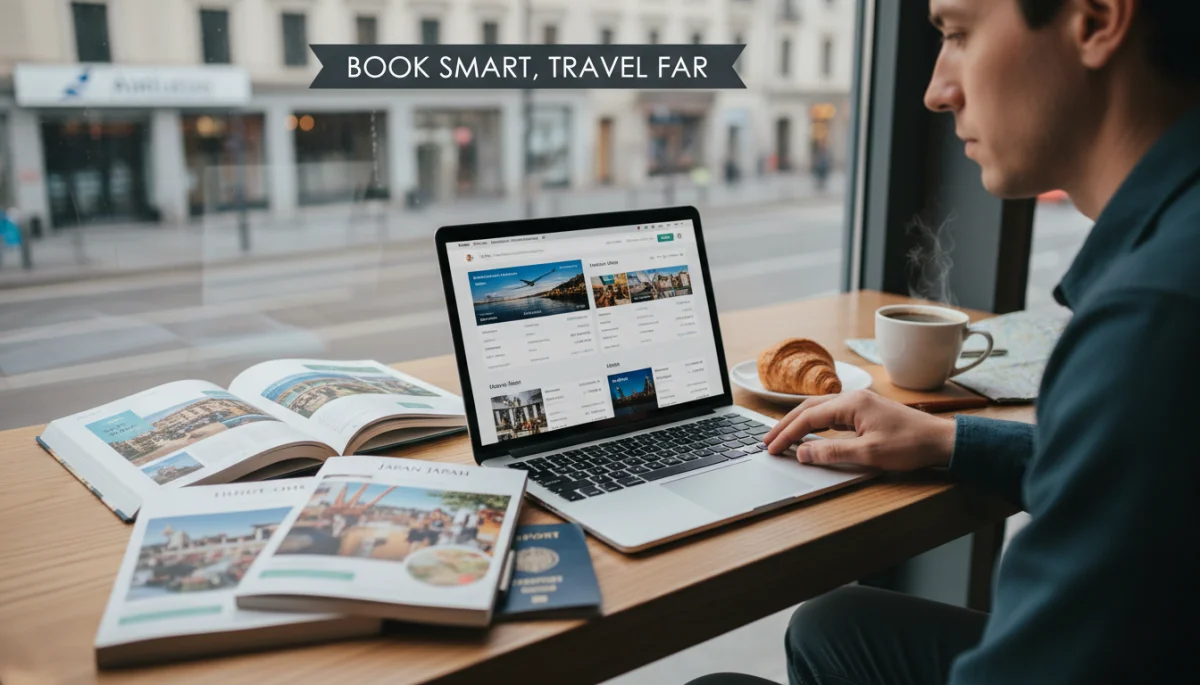
Accommodation can consume a significant portion of your travel budget, but a wealth of options exists beyond conventional hotels. Exploring these alternatives can lead to substantial savings and often provides more unique and authentic travel experiences. The landscape of lodging has evolved, offering solutions for every budget and preference.
Thinking creatively about where you sleep can free up funds for activities, dining, or extending your trip. It’s about finding the balance between comfort, convenience, and cost-effectiveness.
Alternative lodging options
Vacation rentals, such as those found on Airbnb or Vrbo, can be particularly cost-effective for families or groups, offering amenities like kitchens that further reduce food expenses. Hostels are an excellent choice for solo travelers or those on a tight budget, providing dormitory-style lodging or private rooms at a fraction of hotel prices. Many hostels also organize social events, adding value to your stay.
Camping, especially in national or state parks, offers an incredibly affordable way to experience America’s natural beauty. With a small nightly fee, you gain access to stunning landscapes and outdoor activities. For the truly adventurous, house-sitting or couch-surfing can provide free accommodation in exchange for minimal responsibilities or simply cultural exchange.
- Vacation rentals: Ideal for longer stays, offering kitchens and more space.
- Hostels: Budget-friendly, great for meeting other travelers, often centrally located.
- Camping: Experience nature at a low cost in national and state parks.
- House-sitting/Couchsurfing: Free accommodation with unique cultural immersion.
When considering alternative accommodations, always prioritize safety and read reviews thoroughly. Look for places with good ratings and responsive hosts. By diversifying your accommodation choices, you can significantly lower your travel costs and enjoy a more personalized journey across the US.
Mastering meal expenses: eating well on a budget
Food is an undeniable and often underestimated expense while traveling. However, with a few strategic approaches, you can enjoy delicious meals and local culinary experiences without overspending. Mastering meal expenses is not about deprivation but about smart planning and making conscious choices that align with your budget goals.
The United States offers an incredible array of food options, from gourmet dining to street food, and knowing how to navigate these choices will be crucial for your financial well-being on the road.
Practical tips for budget-friendly eating
One of the most effective ways to save on food is to utilize accommodation with kitchen facilities. Preparing some of your own meals, especially breakfast and occasional dinners, can drastically reduce your dining-out costs. Visiting local grocery stores and farmers’ markets allows you to buy fresh ingredients at reasonable prices and experience local flavors.
When dining out, look for lunch specials, happy hour deals, or early bird offers, which are typically less expensive than dinner. Exploring food trucks, local diners, and ethnic eateries often provides delicious and affordable meals that offer a true taste of the local culture. Avoid tourist traps, which tend to be overpriced and offer mediocre food.
- Cook your own meals: Utilize kitchens in rentals or hostels.
- Shop local: Visit grocery stores and farmers’ markets.
- Lunch specials: Opt for lunch instead of dinner for restaurant experiences.
- Embrace street food: Discover affordable and authentic local cuisine.
Carrying snacks and a reusable water bottle can also prevent impulse purchases and save money throughout the day. By combining home-cooked meals with strategic dining out, you can enjoy the culinary landscape of the US without draining your budget.
Unlocking free and low-cost activities and attractions
The United States is rich with attractions, and many of the most memorable experiences don’t require an expensive ticket. Focusing on free and low-cost activities is an excellent strategy for maximizing your US travel budget in 2026. This approach allows you to immerse yourself in the culture and beauty of a place without the constant worry of admission fees.
From natural wonders to urban explorations, there are countless ways to fill your itinerary with enriching experiences that are kind to your wallet. It’s about looking beyond the obvious tourist hotspots and discovering hidden gems.
Discovering budget-friendly entertainment
National parks across the US offer breathtaking scenery and extensive recreational opportunities, often with a nominal entrance fee or, if you have an annual pass, completely free. Many cities boast free attractions like public parks, beaches, walking tours, and museums with free admission days or hours. Researching these options in advance can significantly enhance your travel experience.
Attending free community events, festivals, and outdoor concerts can also provide a unique local perspective without any cost. Simply walking around and exploring different neighborhoods, enjoying the architecture, and people-watching can be a rewarding and free activity. Many libraries offer free Wi-Fi and sometimes even local passes to attractions.
- National parks: Explore natural beauty with minimal fees (annual pass recommended).
- Free city attractions: Public parks, beaches, free museums, walking tours.
- Community events: Festivals, concerts, and local gatherings.
- Self-guided exploration: Walking, people-watching, enjoying local ambiance.
Embracing free and low-cost activities allows for a deeper connection with your travel destination. By prioritizing these experiences, you can extend your explorations and create lasting memories without financial strain, truly maximizing your US travel budget.
Leveraging travel rewards and discounts
In the modern travel landscape, leveraging travel rewards programs, credit card points, and various discounts is a highly effective way to significantly reduce expenses. This strategy requires a bit of foresight and consistent effort but can yield substantial savings on flights, accommodations, and even daily purchases. For those looking to maximize their US travel budget in 2026, understanding and utilizing these tools is paramount.
By strategically accumulating and redeeming points, miles, or taking advantage of various promotional offers, you can transform what would be significant costs into minimal expenditures, allowing for more experiences or longer trips.
Maximizing points, miles, and deals
Travel-oriented credit cards often come with lucrative sign-up bonuses in points or miles, which can be redeemed for free flights or hotel stays. Consistent use of these cards for everyday expenses, coupled with responsible payment habits, can quickly build up a valuable stash of rewards. Always ensure you are meeting minimum spending requirements and paying off your balance to avoid interest charges that negate any benefits.
Beyond credit cards, look for loyalty programs offered by airlines, hotel chains, and car rental companies. Signing up for their newsletters can also alert you to exclusive member deals and promotions. Student, senior, or military discounts are widely available across various attractions, transportation, and lodging options, so always inquire if you qualify.
- Travel credit cards: Utilize sign-up bonuses and earn points for everyday spending.
- Loyalty programs: Join airline, hotel, and car rental reward schemes.
- Promotional offers: Subscribe to newsletters for exclusive deals.
- Demographic discounts: Inquire about student, senior, or military reductions.
Don’t forget to check coupon websites or travel aggregators for last-minute deals or package discounts. By actively seeking out and utilizing these financial tools, you can dramatically lower your travel costs and free up funds for more enriching experiences.
Financial discipline and emergency planning
Even with the most meticulous planning, unexpected expenses can arise during any trip. Therefore, maintaining financial discipline and having a robust emergency plan are critical components of maximizing your US travel budget. This proactive approach ensures that unforeseen circumstances don’t derail your financial stability or your travel experience.
It’s about having a buffer, understanding your spending habits, and having contingency measures in place to handle any bumps in the road, ensuring peace of mind throughout your journey.
Building a financial safety net
Before you depart, establish a dedicated emergency fund specifically for your trip. This fund should ideally cover at least a few days’ worth of unexpected lodging, transportation, or medical costs. Travel insurance is another indispensable tool, offering protection against trip cancellations, medical emergencies, lost luggage, and more. While an upfront cost, it can prevent significant financial losses.
During your travels, regularly track your spending. Numerous budgeting apps can help you monitor your expenditures in real-time, allowing you to adjust your habits if you’re going over budget. Stick to your daily budget as much as possible, and be mindful of small impulse purchases that can add up quickly.
- Emergency fund: Set aside money for unforeseen expenses.
- Travel insurance: Protect against cancellations, medical issues, and lost items.
- Track spending: Use budgeting apps to monitor daily expenditures.
- Avoid impulse buys: Be conscious of small purchases that accumulate.
Furthermore, inform your bank and credit card companies of your travel plans to avoid issues with card usage abroad. Always have a backup payment method, such as an extra credit card or a small amount of emergency cash. By implementing these measures, you can navigate your US travels with confidence, knowing you’re prepared for anything.
| Key Strategy | Brief Description |
|---|---|
| Early Booking | Secure lower rates for flights and accommodation by planning months in advance. |
| Optimized Transport | Choose budget airlines, buses, trains, and public transport over expensive alternatives. |
| Alternative Stays | Explore vacation rentals, hostels, and camping instead of traditional hotels. |
| Reward Programs | Leverage credit card points, loyalty programs, and discounts for significant savings. |
Frequently asked questions about US travel budgeting
For optimal savings, aim to book domestic US flights between 3 to 6 months in advance. International flights might require an even longer lead time, up to 10-12 months, especially for peak travel seasons. Flexibility with your travel dates can also unlock better deals.
Absolutely. National parks offer incredible value. While some have entrance fees, an annual ‘America the Beautiful’ pass covers most parks and can save you money if visiting multiple. Camping within parks is also a very affordable accommodation choice, connecting you with nature.
To save on food, prioritize accommodations with kitchen facilities to cook some meals. Shop at local grocery stores, seek out lunch specials instead of dinner, and explore food trucks or local eateries for authentic, affordable options. Carrying snacks also helps.
While not mandatory, travel insurance is highly recommended. It provides a financial safety net for unexpected events like medical emergencies, trip cancellations, or lost luggage. The cost is usually small compared to potential out-of-pocket expenses for unforeseen issues.
Utilize public transportation like subways and buses, which are often the most economical. Walking or biking is also great for shorter distances and allows for better exploration. Ride-sharing services can be useful for specific routes but are generally more expensive than public transit.
Conclusion
Maximizing your US travel budget in 2026 is entirely achievable with careful planning and smart decision-making. By embracing early booking strategies, optimizing transportation, exploring diverse accommodation options, managing meal expenses wisely, and leveraging free activities and rewards, explorers can create rich and memorable journeys across the United States without financial stress. Implementing these strategies will not only save you money but also enhance the quality and depth of your travel experiences, proving that incredible adventures don’t always require an unlimited budget. Prepare thoroughly, stay flexible, and enjoy the vast wonders America has to offer.
