The New American Work Ethic: 7 Shifts for 2026 Professional Identity
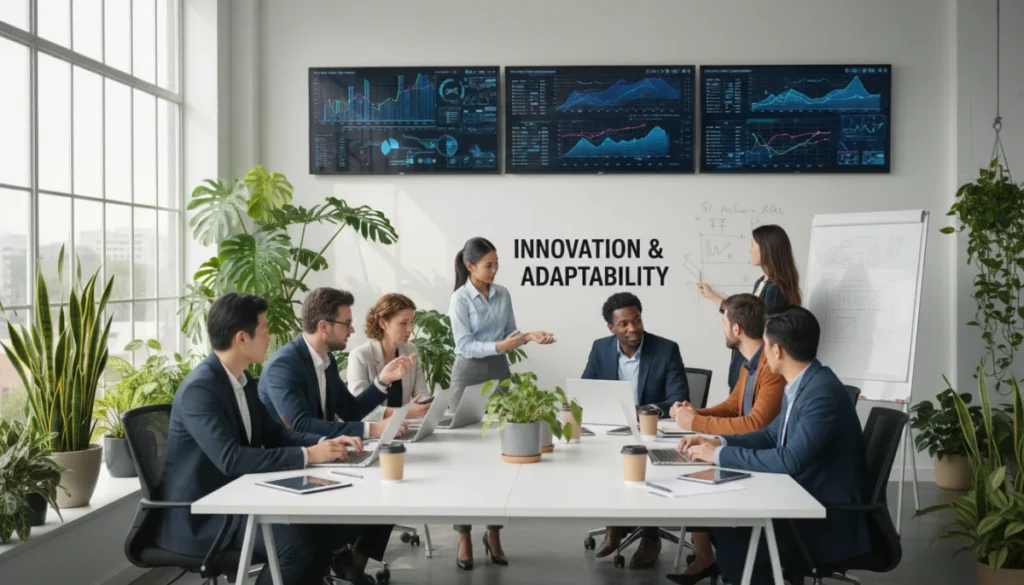
The new American work ethic by 2026 is characterized by seven fundamental shifts in professional identity, reflecting a dynamic evolution in how Americans approach their careers.
The landscape of professional life in America is undergoing a profound transformation. As we move towards 2026, a new American work ethic is emerging, reshaping how individuals perceive their careers, value their time, and define success. This evolution is not merely a trend but a fundamental recalibration of professional identity, driven by technological advancements, societal values, and an ever-changing global economy.
The Rise of Purpose-Driven Work
The days of simply working for a paycheck are increasingly behind us. Today’s American workforce, particularly younger generations, is seeking more than just financial compensation; they crave purpose and meaning in their professional lives. This shift impacts everything from job selection to company culture, with employees prioritizing alignment with their personal values.
Beyond the Paycheck: Finding Meaning
Employees are actively looking for roles and organizations that contribute positively to society, solve pressing global issues, or align with their ethical frameworks. This deep desire for impact is a powerful motivator, influencing career paths and business strategies alike.
- Seeking roles with social or environmental impact.
- Prioritizing companies with strong ethical practices.
- Valuing personal growth and development opportunities.
- Contributing to a greater good beyond profit margins.
This pursuit of purpose fosters a more engaged and dedicated workforce, but it also places a greater onus on employers to articulate their mission and demonstrate their commitment to values beyond the bottom line. The connection between individual purpose and organizational goals is becoming paramount for retention and recruitment.
Flexibility and Autonomy as Non-Negotiables
The pandemic accelerated a trend that was already in motion: the demand for greater flexibility and autonomy in how and where work gets done. By 2026, these are no longer perks but fundamental expectations for many American professionals, deeply embedded in the new work ethic.
Redefining the Workplace
Remote and hybrid work models have proven their efficacy, offering employees the ability to manage their personal and professional lives with greater ease. This doesn’t mean the end of the office, but rather a more strategic and intentional use of physical workspaces for collaboration and community building.
Autonomy extends beyond location to how tasks are approached and completed. Professionals desire control over their schedules, methodologies, and even the tools they use. This trust-based approach empowers individuals and often leads to increased productivity and job satisfaction.
The challenge for organizations is to create frameworks that support this flexibility without sacrificing team cohesion or overall productivity. This involves investing in robust technology, fostering clear communication, and cultivating a culture of accountability and trust.

Continuous Learning and Skill Adaptability
The pace of technological change demands a workforce that is constantly learning and adapting. The idea of a static skill set is obsolete; the new American work ethic emphasizes lifelong learning as a cornerstone of professional longevity and success.
The Evergreen Professional
From AI and automation to new software and data analytics, the tools and techniques of virtually every industry are evolving at an unprecedented rate. Professionals must commit to continuous upskilling and reskilling to remain relevant and competitive.
- Embracing online courses and certifications.
- Participating in workshops and industry conferences.
- Developing soft skills like critical thinking and problem-solving.
- Actively seeking out new knowledge and challenging existing paradigms.
Companies that invest in their employees’ development and foster a culture of learning will be better positioned to navigate future disruptions. For individuals, this means taking personal responsibility for their professional growth, viewing education not as a one-time event but as an ongoing journey.
Well-being and Mental Health Prioritization
The conversation around mental health and well-being in the workplace has shifted from a niche concern to a mainstream priority. The new American work ethic recognizes that a healthy employee is a productive employee, and employers are increasingly expected to support this holistically.
Holistic Employee Support
Burnout, stress, and mental health challenges are significant issues that impact productivity, creativity, and overall job satisfaction. Companies are now implementing policies and programs designed to promote employee well-being, moving beyond traditional benefits.
This includes offering mental health resources, promoting work-life balance, encouraging breaks, and fostering a supportive and empathetic work environment. The stigma associated with discussing mental health is slowly eroding, paving the way for more open and constructive conversations.
For individuals, prioritizing personal well-being means setting boundaries, practicing self-care, and advocating for their needs. The goal is to achieve a sustainable pace of work that allows for both professional achievement and personal fulfillment, rather than sacrificing one for the other.
Transparent and Ethical Leadership
Trust in institutions and leaders has been a fluctuating commodity. In the emerging work ethic, employees expect transparency, authenticity, and ethical conduct from their leaders. This demand for integrity shapes everything from corporate governance to daily interactions.
Building Trust from the Top Down
Leaders are no longer just decision-makers; they are role models and custodians of company culture. Their actions, or inactions, profoundly impact employee morale, engagement, and loyalty. A lack of transparency or perceived ethical lapses can quickly erode trust and damage an organization’s reputation.
- Open communication about company performance and challenges.
- Consistent application of company values and policies.
- Accountability for actions at all levels of leadership.
- Fostering an inclusive environment where all voices are heard.
Employees want to understand the ‘why’ behind decisions and feel confident that their leaders are operating with integrity. This fosters a more collaborative and committed workforce, as individuals feel valued and respected within their professional ecosystem. Ethical leadership is not just good for morale; it’s good for business.
Embracing Diversity, Equity, and Inclusion (DEI)
DEI initiatives have moved beyond mere compliance to become a cornerstone of the new American work ethic. A truly inclusive workplace is seen as not only morally right but also strategically vital for innovation, creativity, and attracting top talent.
Beyond Lip Service: Actionable DEI
Diversity in thought, background, and experience brings a richer perspective to problem-solving and decision-making. Equity ensures fair treatment and equal opportunities for all employees, regardless of their identity. Inclusion means creating an environment where everyone feels valued, respected, and empowered to contribute their best work.
Companies are investing in unconscious bias training, revamping hiring practices, and establishing employee resource groups to foster a more equitable and inclusive environment. This commitment must be reflected in leadership, policies, and daily interactions.
For professionals, it means actively contributing to an inclusive culture, speaking up against bias, and embracing differences. The benefits are far-reaching, leading to more innovative solutions, stronger team dynamics, and a more representative workforce that mirrors the diversity of American society.
The Gig Economy and Portfolio Careers
The traditional linear career path is giving way to more dynamic and varied professional journeys. The rise of the gig economy and the increasing acceptance of portfolio careers signify a fundamental shift in how Americans approach employment and income generation.
Diversifying Income and Experience
Many professionals are no longer relying on a single employer for their entire career. Instead, they are building ‘portfolio careers’ comprised of multiple income streams, including freelance projects, consulting gigs, part-time roles, and entrepreneurial ventures. This approach offers greater flexibility, control, and diversification of skills.
- Seeking freelance opportunities alongside traditional employment.
- Developing specialized skills for consulting roles.
- Exploring entrepreneurial ventures and side hustles.
- Prioritizing projects that align with personal passions and goals.
This shift requires individuals to be more proactive in managing their personal brand, networking, and continuously marketing their skills. For organizations, it means adapting to a more fluid workforce, potentially relying more on contractors and project-based teams while fostering strong relationships with this contingent talent pool. The new work ethic celebrates adaptability and the ability to craft one’s own professional narrative.
| Key Shift | Brief Description |
|---|---|
| Purpose-Driven Work | Seeking meaning and impact beyond just financial compensation in professional roles. |
| Flexibility & Autonomy | High demand for remote/hybrid options and control over work schedules and methods. |
| Continuous Learning | Embracing lifelong upskilling and reskilling to adapt to rapid technological advancements. |
| Well-being Prioritization | Focus on mental health and work-life balance as essential components of professional life. |
Frequently asked questions
The shift is largely driven by younger generations entering the workforce who prioritize meaning and impact over solely financial gain. Increased societal awareness of global issues and a desire for personal fulfillment also contribute to this significant change in professional values.
Companies can adapt by implementing robust remote/hybrid work policies, investing in collaborative technologies, and fostering a culture of trust and accountability. Empowering employees to manage their own schedules and work methods also significantly boosts morale and productivity.
Continuous learning is crucial due to the rapid pace of technological advancements and evolving industry demands. Professionals must constantly acquire new skills and adapt existing ones to remain competitive and relevant in an ever-changing job market, ensuring long-term career viability.
Well-being and mental health are now recognized as fundamental to employee productivity and satisfaction. The new work ethic emphasizes creating supportive environments, offering mental health resources, and promoting work-life balance to combat burnout and foster overall employee health.
Yes, portfolio careers are increasingly common, especially with the growth of the gig economy. Professionals are diversifying their income streams through freelance work, consulting, and side hustles, seeking greater control, flexibility, and varied professional experiences outside traditional employment models.
Conclusion
The shifts defining the new American work ethic by 2026 represent a profound evolution in how individuals and organizations approach professional life. From prioritizing purpose and well-being to embracing flexibility and continuous learning, these changes demand adaptability from all stakeholders. Understanding and integrating these shifts will be crucial for both individual career success and organizational resilience in the coming years. The future of work in America is dynamic, values-driven, and increasingly centered on holistic professional fulfillment.
