Your 2026 Guide to Pet-Friendly USA Travel: Key Considerations
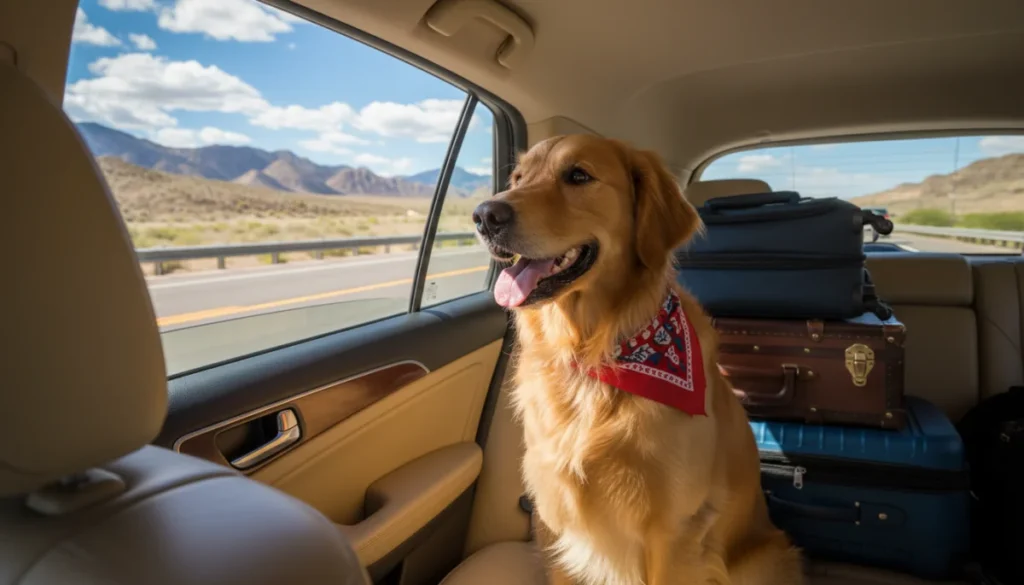
Navigating pet-friendly USA travel in 2026 requires careful planning for accommodations, transportation, activities, and your pet’s health to ensure a seamless and enjoyable adventure for both you and your furry companion.
Embarking on a journey across the United States with your beloved pet can be an incredibly rewarding experience, creating lasting memories for both of you. However, ensuring a smooth and enjoyable trip requires meticulous planning and a clear understanding of what pet-friendly USA travel entails in 2026. This comprehensive guide will walk you through the essential considerations to make your adventure stress-free and fun.
Planning Your Pet-Friendly Itinerary: Accommodations and Destinations
When planning any trip with a pet, the first major hurdle is often finding suitable accommodations. Not all hotels, vacation rentals, or campsites are truly pet-friendly, and policies can vary wildly. Beyond just a place to sleep, consider the overall pet-friendliness of your chosen destinations.
As you map out your route, research specific cities and regions that are known for their welcoming attitude towards pets. Many urban centers are increasingly offering amenities like dog parks, pet-friendly patios, and even pet-centric events. Conversely, some national parks and protected areas have strict rules regarding pets, often limiting them to paved roads or specific trails. Understanding these nuances upfront will save you considerable hassle.
Finding the Right Pet-Friendly Stays
Securing appropriate lodging is paramount for a successful pet-friendly trip. Don’t assume a hotel is pet-friendly just because it allows animals; delve into their specific policies.
- Hotel Chains: Many major hotel chains, such as Kimpton, Loews, and La Quinta, are widely known for their pet-friendly policies, often welcoming multiple pets of various sizes without extra fees.
- Vacation Rentals: Platforms like Airbnb and VRBO offer filters for pet-friendly properties. Always communicate directly with hosts to confirm pet policies, fees, and any specific rules, especially regarding unattended pets.
- Campsites: National and state parks often have designated pet-friendly campsites. Private campgrounds tend to be more lenient, but always verify leash rules and waste disposal requirements.
Always double-check the fine print, including pet fees (which can be per night or per stay), weight limits, and breed restrictions. Some establishments might require proof of vaccination or a health certificate, so have those documents readily available. Booking in advance is highly recommended, especially during peak travel seasons, as pet-friendly rooms can be limited.
Researching Pet-Welcoming Destinations
The USA boasts an abundance of incredible pet-friendly destinations. From bustling cities to serene natural landscapes, there’s a perfect spot for every traveler and their companion.
- Urban Adventures: Cities like Portland, Oregon; Asheville, North Carolina; and Austin, Texas, are renowned for their dog parks, pet-friendly eateries, and vibrant outdoor cultures.
- Coastal Retreats: Many beaches along the Pacific and Atlantic coasts permit dogs, often with specific off-leash hours. Always check local regulations before heading to the sand.
- Mountain Escapes: Regions like the Rocky Mountains or the Appalachian Trail offer numerous hiking opportunities where leashed dogs are welcome. Be mindful of wildlife and trail etiquette.
A successful pet-friendly itinerary hinges on thorough research into accommodations and destinations. By carefully selecting where you and your pet will stay and explore, you lay the groundwork for a comfortable and enjoyable journey, avoiding potential disappointments or unexpected restrictions.
Transportation Logistics for Pets: Road Trips and Air Travel
Once your destinations are chosen, the next critical consideration for pet-friendly USA travel is how you’ll get there. Whether it’s a cross-country road trip or an inter-state flight, pet transportation requires specific planning and adherence to regulations.
Each mode of transport presents its own set of rules, safety protocols, and comfort considerations for your pet. Neglecting these details can lead to unnecessary stress, delays, or even health risks for your animal companion. A well-prepared pet is a happy traveler, regardless of the journey’s length.
Road Trip Essentials for Your Furry Friend
Road trips offer the most flexibility for traveling with pets, allowing for frequent stops and a more controlled environment. However, safety and comfort remain paramount.
- Safety Restraints: Secure your pet in a crash-tested crate or a harness designed for car travel. This protects them during sudden stops and prevents distractions for the driver.
- Frequent Breaks: Plan for regular stops every 2-3 hours for potty breaks, water, and a chance to stretch legs. Never leave your pet unattended in a parked car, especially in warm weather.
- Packing Pet Supplies: Bring plenty of food, water, bowls, toys, waste bags, and any necessary medications. A familiar blanket or bed can also provide comfort in new surroundings.
Consider your pet’s temperament. Some pets love car rides, while others may experience anxiety or motion sickness. Consult your veterinarian for advice on managing travel-related stress or prescribing mild sedatives if needed. Gradually acclimating your pet to car travel with short trips before a long journey can also be beneficial.
Navigating Air Travel with Pets
Flying with pets is significantly more complex and often more restrictive than road travel. Airlines have strict policies regarding pet size, breed, and carrier requirements.
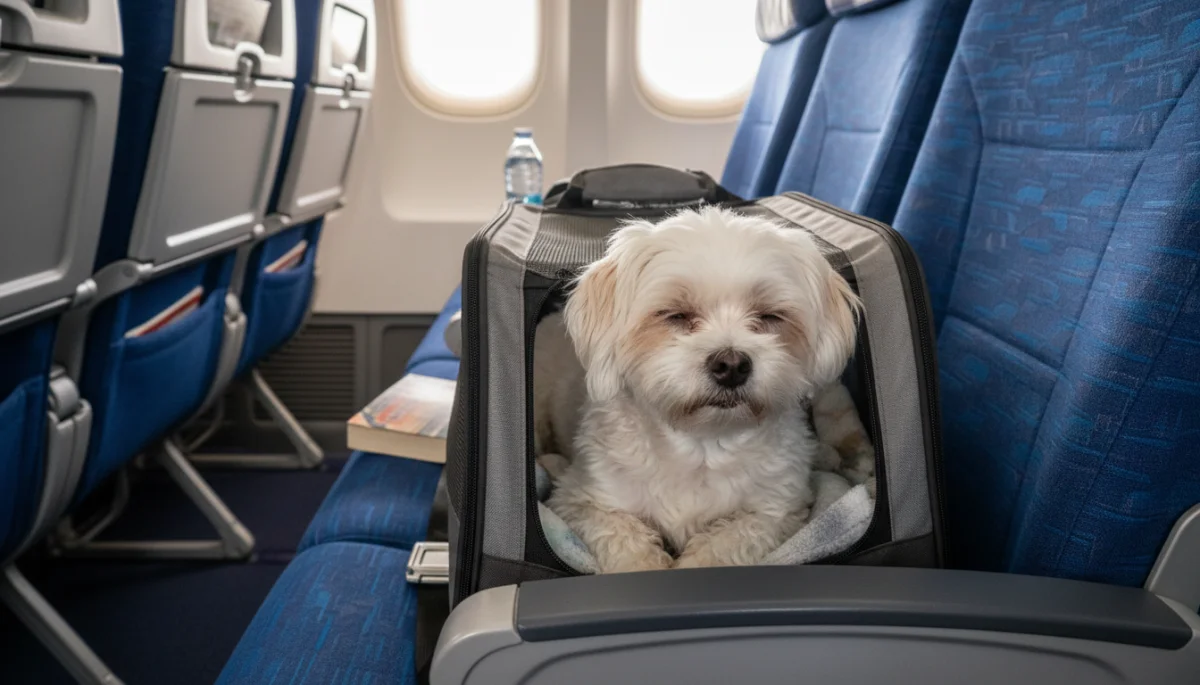
Most airlines allow small pets (cats and small dogs) to travel in the cabin if they fit in an approved carrier under the seat in front of you. Larger pets typically must travel as checked baggage or cargo, which comes with greater risks and requires careful consideration.
- Airline Policies: Each airline has unique rules, fees, and health certificate requirements. Book direct flights when possible to minimize stress and potential layover issues.
- Carrier Compliance: Ensure your pet carrier meets airline dimensions and ventilation standards. It should be comfortable enough for your pet to stand up and turn around.
- Veterinary Check-up: Obtain a health certificate from your vet within 10 days of travel, as required by most airlines. Discuss any concerns about your pet’s ability to handle air travel.
While air travel can be necessary, it’s generally recommended to avoid it for pets whenever possible, especially for breeds prone to respiratory issues or during extreme weather conditions. The hold can be a stressful and potentially dangerous environment. If flying is unavoidable, prepare meticulously and prioritize your pet’s safety and well-being above all else.
Pet Health and Safety on the Road: Vaccinations, First Aid, and Identification
Ensuring your pet’s health and safety is paramount for any successful pet-friendly USA travel experience. Before you even pack your bags, a thorough health check and proper preparation can prevent many common travel-related issues.
Being proactive about your pet’s health, having essential supplies on hand, and ensuring they can be identified if lost are non-negotiable aspects of responsible pet ownership, especially when traveling to unfamiliar places. These measures provide peace of mind and safeguard your furry companion.
Essential Vaccinations and Health Records
Before hitting the road, schedule a visit to your veterinarian for a pre-travel check-up. This ensures your pet is healthy enough for the journey and up-to-date on all necessary vaccinations.
- Core Vaccinations: Confirm your pet has current rabies, distemper, parvovirus, and adenovirus vaccinations. These are often legally required for travel and boarding.
- Preventative Medications: Discuss flea, tick, and heartworm prevention with your vet. Different regions of the USA have varying parasite risks.
- Health Certificate: Some states, airlines, and accommodations require a health certificate issued by a licensed veterinarian, usually within 10 days of travel.
Carry copies of all vaccination records and your pet’s health certificate with you. A digital copy stored on your phone or in the cloud can also be a lifesaver if physical documents are misplaced. Knowing your pet’s medical history and current health status is crucial for any unexpected veterinary needs during your trip.
Pet First Aid Kit and Emergency Preparedness
Just like with human travel, a well-stocked first aid kit for your pet is an absolute must. Accidents and minor injuries can happen anywhere, and being prepared can make a significant difference.
- Basic Supplies: Include antiseptic wipes, gauze, adhesive tape, tweezers, scissors, an emergency muzzle, and any prescribed medications.
- Contact Information: Have your regular vet’s number, as well as a list of 24-hour emergency veterinary clinics along your route or at your destination.
- Pet Insurance: Consider pet insurance or ensure you have funds available for unexpected veterinary emergencies.
Familiarize yourself with basic pet first aid. Knowing how to handle minor cuts, sprains, or allergic reactions until you can reach professional help can be invaluable. Being prepared for emergencies ensures you can act quickly and effectively if your pet encounters a health issue during your travels.
Identification and Microchipping
The fear of a lost pet is a constant worry for traveling owners. Proper identification significantly increases the chances of a happy reunion.
- ID Tags: Ensure your pet wears a collar with up-to-date ID tags that include your name, phone number, and a secondary contact number. Consider adding your travel destination or a temporary cell number if you’ll be using a different one.
- Microchip: A microchip is a permanent form of identification. Make sure your contact information associated with the microchip is current and registered with a national database.
- Photo of Your Pet: Carry a recent, clear photo of your pet, preferably one showing any unique markings. This can be crucial if you need to create ‘lost pet’ flyers or show to local authorities.
Taking these preventative measures regarding health, first aid, and identification ensures that your pet is not only ready for the physical demands of travel but also protected against unforeseen circumstances. This allows you to focus on enjoying your journey together, confident in your preparedness.
Activities and Etiquette: Enjoying Pet-Friendly Experiences Responsibly
Once the logistics of travel and health are covered, the fun part of pet-friendly USA travel begins: exploring and enjoying new experiences with your furry companion. However, responsible pet ownership and awareness of local etiquette are crucial to ensure a positive experience for everyone.
Finding pet-friendly activities means more than just finding places that allow pets; it means discovering places where your pet can genuinely participate and enjoy themselves, all while adhering to rules and being respectful of others. This balance creates memorable adventures without causing disturbances.
Discovering Pet-Friendly Attractions and Activities
The USA offers a wealth of attractions that welcome pets, from scenic parks to outdoor markets and even some historical sites. Researching these options beforehand will enhance your trip.
- Outdoor Recreation: Many national forests, state parks, and local trails permit leashed dogs. Look for dog parks with separate areas for small and large breeds, offering safe off-leash play.
- Dining: A growing number of restaurants and cafes offer pet-friendly outdoor seating. Use apps like BringFido or Yelp to find establishments that welcome pets.
- Shopping: Some retail stores, particularly outdoor malls or specialty pet stores, allow well-behaved, leashed pets inside. Always ask permission before entering.
Remember that even in pet-friendly locations, your pet’s behavior reflects on all pet owners. Ensure your dog is well-socialized and responsive to commands. This not only makes your experience better but also helps maintain the pet-friendly status of these venues for future visitors.
Understanding and Practicing Pet Etiquette
Good pet etiquette is essential for harmonious travel. Being a responsible pet owner means being mindful of your surroundings and the comfort of others.
- Leash Laws: Always keep your pet on a leash unless in a designated off-leash area. Respect leash length requirements, which are typically 6 feet or less in public spaces.
- Waste Management: Carry plenty of waste bags and always pick up after your pet. Proper disposal is not just courteous; it’s often legally required.
- Noise Control: Prevent excessive barking or disruptive behavior, especially in shared spaces like hotels, campgrounds, or outdoor dining areas.
Be aware of specific rules at each location. Some places might have restrictions on where pets can go, even if the overall venue is pet-friendly. For example, a restaurant might allow dogs on the patio but not inside. Respecting these boundaries ensures a positive interaction for everyone involved and helps foster a more welcoming environment for pets in general.
Budgeting for Pet Travel: Hidden Costs and Smart Savings
Traveling with pets, while rewarding, often comes with additional expenses that many first-time pet travelers might overlook. Effective budgeting is a crucial aspect of planning pet-friendly USA travel to avoid unexpected financial strains.
From pet fees to potential emergency vet visits, these costs can add up quickly. Understanding and accounting for these expenditures beforehand allows for a more relaxed and enjoyable trip, ensuring you can provide the best care for your pet without financial stress.
Common Pet Travel Expenses
Several categories of expenses are unique to traveling with a pet. Being aware of these helps in creating a realistic travel budget.
- Accommodation Fees: Many hotels and vacation rentals charge pet fees, which can range from a one-time cleaning fee to a nightly charge, sometimes per pet.
- Transportation Costs: Airline pet fees can be substantial, especially for pets traveling in cargo. Some car rental companies also charge extra for cleaning if a pet has been in the vehicle.
- Pet Care Supplies: Factor in the cost of extra food, treats, waste bags, new toys, and any specialized travel gear like carriers or car restraints.
Beyond these direct costs, consider the expense of potential pet-sitting or boarding if there are activities or attractions where your pet cannot join you. Researching average costs in your destination areas can help you estimate these expenses more accurately.
Unexpected Costs and Contingency Planning
Even with careful planning, unforeseen expenses can arise. Having a financial buffer is always a good idea when traveling with pets.
- Emergency Veterinary Care: Illness or injury can strike at any time. Budget for potential emergency vet visits, which can be costly, especially in unfamiliar areas.
- Damage Deposits: Some accommodations require a refundable pet damage deposit, which ties up funds during your stay.
- Replacement Items: If a leash breaks or a favorite toy gets lost, you might need to purchase replacements on the road.
A contingency fund specifically for pet-related emergencies is highly recommended. This ensures that you’re prepared for any unexpected veterinary bills or other urgent needs without compromising the rest of your travel budget. Being financially ready for the unexpected is a hallmark of truly responsible pet-friendly travel.
Legal Considerations and Local Ordinances for Pet Owners
Navigating the legal landscape for pet ownership, especially when traveling across different states or counties, is a critical, often overlooked aspect of pet-friendly USA travel. Laws and local ordinances can vary significantly, impacting everything from leash requirements to breed restrictions.
Understanding these regulations is not just about avoiding fines; it’s about ensuring your pet’s safety and your compliance with local community standards. Being informed helps you be a responsible and respectful visitor, contributing to a welcoming environment for all pet owners.
State and Local Pet Laws
Before traveling to a new state or city, it’s wise to research specific animal control laws and regulations. What’s permissible in one area might be illegal in another.
- Leash Laws: While most public areas require pets to be leashed, the specific length of the leash can be regulated. Some areas may have off-leash parks, but outside of these, leashes are typically mandatory.
- Waste Disposal: Poop-scooping laws are almost universal. Always carry bags and properly dispose of your pet’s waste. Fines for non-compliance can be hefty.
- Breed-Specific Legislation (BSL): A few states and numerous municipalities have BSLs, which restrict or ban certain dog breeds. Research these laws carefully if you own a breed commonly targeted by BSL.
Ignorance of local laws is rarely an excuse. A quick online search for ‘[city/state name] pet laws’ or ‘[city/state name] animal ordinances’ can provide valuable information. Resources like local government websites or reputable pet travel guides are excellent starting points for your research.
Health Certificates and Interstate Travel
While federal regulations primarily govern interstate animal transport, individual states can impose additional health requirements, especially for certain types of animals.
- Health Certificates: Many states require a Certificate of Veterinary Inspection (CVI), commonly known as a health certificate, for pets crossing state lines. This certificate confirms your pet is healthy and free of contagious diseases.
- Rabies Vaccinations: Proof of current rabies vaccination is almost universally required for interstate travel. Ensure your pet’s vaccination tags and certificates are easily accessible.
- Quarantine Laws: While rare for domestic pets traveling within the contiguous USA, some states or territories (like Hawaii) have strict quarantine rules. Always check specific state requirements.
It’s always best to consult with your veterinarian about specific state requirements for health certificates and vaccinations. They can provide the necessary documentation and advise on any unique regulations for your destination. Being prepared with the correct paperwork ensures a hassle-free entry into new states and compliance with health and safety standards.
Emergency Preparedness and Veterinary Access on the Go
Even with the most meticulous planning, unforeseen circumstances can arise during pet-friendly USA travel. Being prepared for emergencies and knowing how to access veterinary care while away from home is a crucial, often overlooked, aspect of responsible pet ownership on the road.
Having a clear plan for medical emergencies, from minor injuries to serious illnesses, ensures that you can act quickly and effectively, minimizing stress for both you and your pet. This preparedness fosters confidence and allows you to truly enjoy your adventures together.
Creating an Emergency Contact Plan
Before you depart, establish a clear plan for what to do in a pet emergency. This includes identifying key contacts and having essential information readily available.
- Your Vet’s Information: Keep your regular veterinarian’s contact details, including their phone number and clinic name, easily accessible. They can often provide advice or send records to a new clinic.
- Emergency Vet Clinics: Research 24-hour emergency veterinary hospitals along your route and at your destination. Save their numbers and addresses in your phone.
- Pet Poison Control: Have the numbers for pet poison control hotlines readily available. Time is often critical in poisoning cases.
Consider carrying a small laminated card with this emergency information in your wallet or pet’s travel bag. In a stressful situation, having these details at your fingertips can save precious time and potentially your pet’s life. Share this information with anyone else traveling with you.
Accessing Veterinary Care in Unfamiliar Areas
Finding a reliable veterinarian when you’re far from home can be daunting. Utilize resources that help locate trusted professionals quickly.
- Online Directories: Websites like the American Animal Hospital Association (AAHA) or local veterinary associations often have searchable directories of accredited clinics.
- Mobile Apps: Several pet travel apps offer features to locate nearby vets, pet stores, and emergency clinics.
- Ask Locals: Don’t hesitate to ask hotel staff, campground hosts, or even other pet owners for recommendations on local veterinary services.
When contacting a new vet, be prepared to provide your pet’s medical history, vaccination records, and a clear description of the issue. Having these documents organized and accessible will streamline the process and allow the new vet to provide the best possible care. Being proactive about emergency preparedness ensures that you can handle any health challenge that arises during your pet-friendly USA travel.
| Key Consideration | Brief Description |
|---|---|
| Accommodations | Research and book pet-friendly hotels, rentals, or campsites, checking policies and fees in advance. |
| Transportation | Plan safe road travel with restraints and breaks, or navigate complex airline pet policies carefully. |
| Health & Safety | Ensure up-to-date vaccinations, carry a first aid kit, and verify identification (tags, microchip). |
| Activities & Etiquette | Find pet-friendly attractions and always practice responsible behavior (leashing, waste disposal). |
Frequently Asked Questions About Pet-Friendly USA Travel
Several major hotel chains are known for being very pet-friendly, often with minimal or no fees. Kimpton Hotels, Loews Hotels, and La Quinta by Wyndham are frequently cited as top choices, often welcoming pets of all sizes. Always confirm specific policies at your chosen location before booking.
While not all states require a health certificate for domestic pets traveling interstate, many do, especially for air travel. It’s best to consult your veterinarian and check the specific regulations of your destination state well in advance of your trip to ensure compliance and avoid issues.
For pet safety during a road trip, essential items include a crash-tested pet carrier or safety harness, plenty of fresh water and a bowl, their regular food, waste bags, and any necessary medications. Frequent stops for potty breaks and exercise are also crucial for their well-being.
Numerous resources can help you find pet-friendly activities. Websites and apps like BringFido, GoPetFriendly, and Yelp offer searchable databases for dog parks, pet-welcoming restaurants with outdoor seating, and attractions. Local tourism boards also often provide pet-friendly guides for their areas.
If your pet gets lost, immediately contact local animal shelters, animal control, and veterinarians. Post on local social media groups and put up flyers with a clear photo. Ensure your pet is microchipped with up-to-date contact information and wears current ID tags with your phone number.
Conclusion
Embarking on pet-friendly USA travel in 2026 offers unparalleled opportunities to explore new places and create cherished memories with your animal companion. By meticulously planning accommodations, understanding transportation logistics, prioritizing your pet’s health and safety, and practicing responsible etiquette, you can ensure a smooth and enjoyable journey for everyone. The key lies in proactive research and preparation, transforming potential challenges into seamless adventures. With these four key considerations in mind, you and your furry friend are well-equipped for an unforgettable exploration of the United States, making every mile a shared joy.
